Build one short list around four priorities: entry documents, arrival details, first-day errands, and a first-week budget. With five hours left before packing, your goal is a usable plan, not a perfectly researched move.
Hour one: gather the documents you may need first
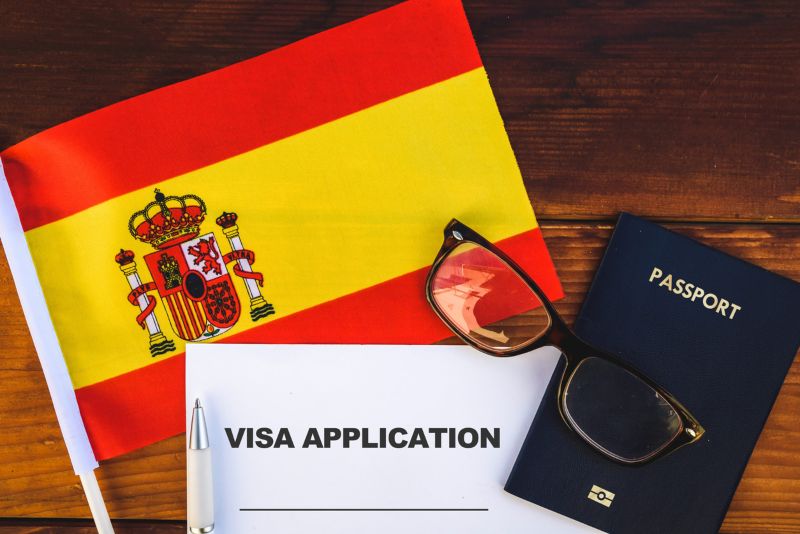
Start with the papers that could affect boarding, entry, housing, or university registration. Put the originals in your hand luggage, then save digital copies somewhere you can reach without your usual phone number.
Your document folder may include:
- Your passport and the Mexican visa or authorization relevant to your stay.
- Your flight itinerary and onward or return travel details, if applicable.
- Your university acceptance letter, enrollment confirmation, and campus contact.
- Your accommodation booking or signed lease.
- Proof of funds, insurance documents, and any supporting papers requested for your visa or entry.
- Prescriptions and letters for medication you are carrying.
- Certified copies or translations required for later appointments.
Check every name, date, and passport number. A document can look complete while still containing a small mismatch. The missing file Leila found shows why a final document check deserves its own place on a relocation checklist.
Create two digital folders: “Show on arrival” and “Use after arrival.” Download both for offline access. Do not place your only copies in checked luggage.
Mexico’s entry and residence procedures depend on your nationality, visa type, and length of stay. Use the instructions from the Mexican consulate and your university’s international office as your source of truth. If two informal guides disagree, pause and verify rather than guessing.
Hour two: turn landlord messages into arrival instructions
A Mexico City address alone may not get you through the front door. Ask your landlord or host for the complete address in a copyable format, including the colonia, postal code, apartment number, and alcaldía. Request a map pin too.
Confirm these details before leaving Sydney:
- Who will meet you, and how can you contact them?
- What happens if your flight arrives late?
- Is there a door code, reception desk, intercom name, or separate building entrance?
- Which payment is due on arrival, and which payment methods are accepted?
- Are bedding, towels, drinking water, and basic kitchen items available?
- Can you use the address for university or immigration paperwork, if needed?
Save the instructions as a screenshot. Mobile data can fail at exactly the wrong moment, and a pin may lead to the correct building while leaving you at the wrong entrance. The same principle appears in this Shanghai taxi arrival guide: the final few metres need as much planning as the wider route.
Hour three: separate arrival errands from first-week admin
A scattered list feels urgent because every item sits at the same level. Divide it by timing.
Your arrival-day list should stay short:
- Reach your accommodation safely.
- Message the person expecting you.
- Get access to drinking water and a simple meal.
- Confirm you can connect to Wi-Fi or mobile service.
- Charge your phone and set an alarm for the next commitment.
Move everything else into a first-week list. That may include university registration, a local SIM, transport, groceries, banking questions, residence procedures, and any address-related paperwork.
Add an owner and a source beside each administrative task. “Ask university international office about residence process” is more useful than “sort visa.” Record the office name, required documents, opening hours, and whether an appointment is needed.
Keep immigration deadlines in a separate dated section. Do not rely on a general arrival checklist to tell you which procedure applies. Confirm the current requirement with the relevant Mexican authority, your consulate, or your university.
Hour four: build a first-week cost buffer
List the expenses likely to arrive before your routine settles. Use Mexican pesos for the working budget, even if your savings are in Australian dollars. Currency conversion can hide how quickly small purchases add up.
Include:
- Airport transport and a backup route.
- Accommodation payments or deposits already agreed in writing.
- Mobile service.
- Public transport and occasional ride-hailing.
- Groceries, drinking water, and two or three easy meals.
- University or document-related fees you have verified.
- Printing, photographs, copies, or local travel for appointments.
- A contingency amount for an unexpected night, replacement item, or changed plan.
Check which payments require cash and which accept cards. Tell your bank you are travelling if necessary, and carry a second payment method separately from your main wallet. Avoid estimating official fees from old blog posts. Record the amount only after checking a current official source.
Hour five: pack around your first 24 hours
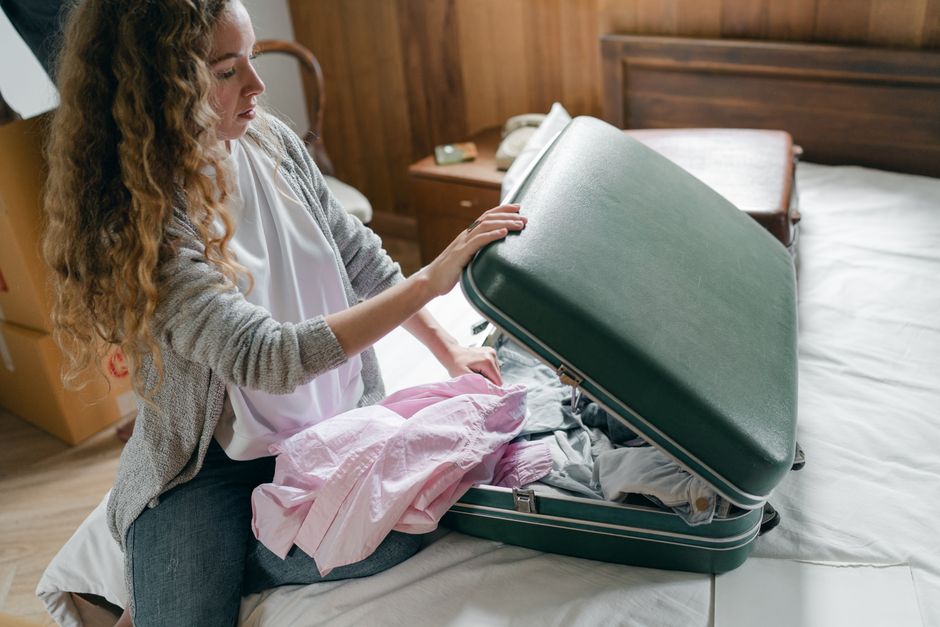
Pack your cabin bag as if checked luggage could arrive later. Include your document folder, medication, charger, power adapter, one change of clothes, basic toiletries, and anything needed for your first university commitment.
Then create a note called “Mexico City Day 0” and pin it on your phone. Keep it compact:
- Arrival address and map pin.
- Host or landlord contact.
- Transport plan and backup.
- First meal and drinking-water plan.
- Tomorrow’s first appointment or task.
- Emergency contacts and insurance details.
Share your flight and arrival address with one trusted person. Decide when you will message them after landing, then write that check-in into the list.
Your finishable first step is simple: place your passport, entry documents, university letter, and accommodation details on one clear surface. Check each item against your name and travel date, photograph the set, and put it directly into your cabin bag.