A good first Monday in Glasgow starts with three small wins: check the documents that could disrupt your move, map the costs ahead, and complete one local task that makes the city feel less unfamiliar. Put them in a sensible order, and a blank relocation checklist becomes a day you can actually finish.
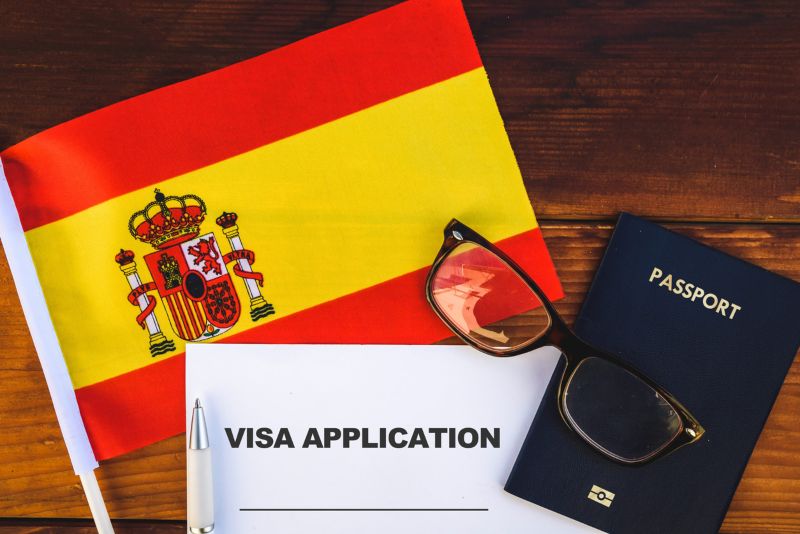
Imagine Leila, a postgraduate student who arrived with two suitcases, a rain jacket bought at the last minute, and six open browser tabs about settling in. At 8:10 on Monday morning, she is sitting at a borrowed kitchen table, holding a residence document whose expiry date is much closer than she remembered.
Her course registration depends on having the right paperwork ready. If one document is missing, she could lose the appointment slot she has been trying to secure.
She checks the folder again.
The proof of address is there. The passport copy is there. One supporting document is saved somewhere on her phone, under a filename she cannot remember.
Win one: turn the document pile into a dated plan
Leila’s first instinct is to search every requirement again. That would give her more tabs, more conflicting advice, and no clearer next step.
Instead, she starts with what she can verify.
She lists each document she already has, its expiry date where relevant, and the action attached to it. “Find the missing file” becomes a task. “Check whether this copy is current” becomes another. Anything uncertain gets marked for confirmation with an official source or the relevant office.
This is where Aqee’s milestone approach helps. The move becomes a path with suggested timing and required documents, rather than one intimidating block called “admin.” Leila can see what needs attention now and what can wait.
With the appointment still at risk, she searches her downloads using the month she received the document. There it is, saved under an unhelpful string of numbers. She renames it, stores it with the rest of her relocation papers, and adds a reminder to verify that the full set is current before the appointment.
First win. The bad ending has moved off the immediate horizon.
If your own folder feels unreliable, use the same method: document, date, next action. Keep uncertain requirements visibly uncertain until you confirm them. A tidy guess can still send you to the wrong queue.
For a useful example of how one overlooked detail can threaten an otherwise careful move, read The Missing Surname Sofia Caught, and the Move It Could Have Cost Her.
Win two: give surprise costs somewhere to land
By late morning, Leila has another problem. Her budget still treats “arrival costs” as one vague number, which means every payment feels like a surprise.
She opens a fresh note and separates the next few weeks into simple groups: housing, transport, food, phone service, document-related costs, and a small buffer for the expense she has not discovered yet. She records confirmed amounts only. Anything that depends on current local rules or a provider stays marked “check before paying.”
That final category matters. Moving abroad produces plenty of charges that sound urgent, especially when they arrive through a message from someone you have never met. A pause for verification can protect both your money and your plans.
Leila also writes down which payments are due first. The list stops being a cloud of future costs and becomes a sequence. She knows what must remain untouched in her account, what she can spend this week, and which figure still needs checking.
Second win. Her budget has edges now.
Win three: complete one local quest before exploring everything
At lunchtime, Leila could keep working through admin until the day disappears. She has already learned how easily “getting settled” can become code for staying indoors with a laptop.
So her third task is deliberately local and small: choose one everyday route she expects to use, then walk part of it without trying to master the whole city. She notes a nearby grocery shop, a place where she could sit with a coffee, and one landmark that will help her find her way home.
Aqee treats local quests as part of relocation because routines and belonging do not appear automatically after the paperwork is filed. A new city starts to feel manageable when you can answer ordinary questions: Where will I buy breakfast? Which corner tells me I am nearly home? Where could I go when I want company without making elaborate plans?
Leila keeps the quest short. Glasgow will still be there tomorrow.
Third win. She has one route in her memory instead of twenty places on a saved map.
The ride to Kelvinbridge
By late afternoon, Leila’s checklist still contains plenty of unfinished tasks. That no longer feels like failure. Each item has a place on the path, and Monday had a finish line: secure the document set, shape the short-term budget, and learn one piece of the city.
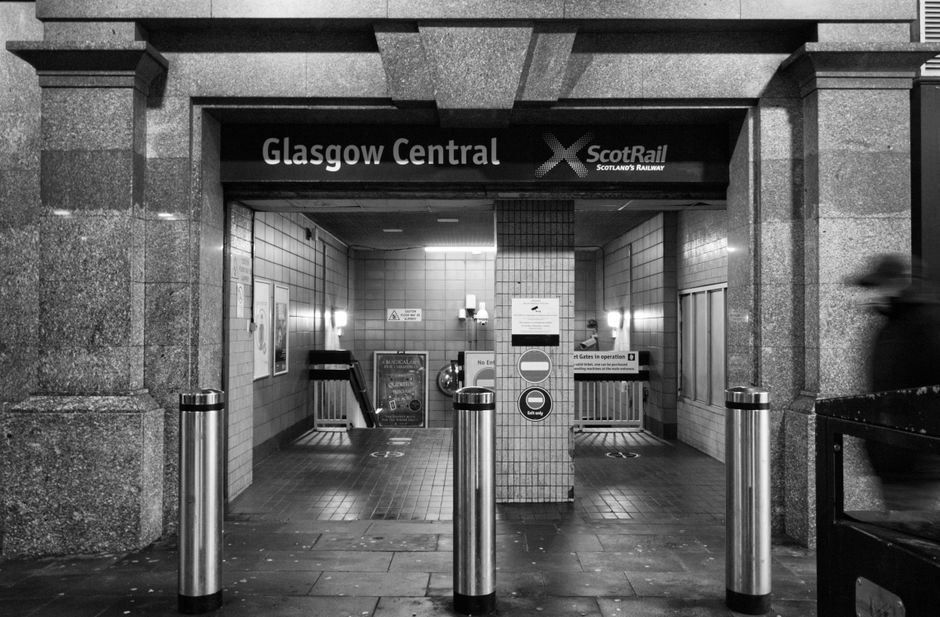
She closes the laptop, checks that the renamed file is backed up, and heads for the subway. On the ride to Kelvinbridge, the window gives her no grand cinematic view, only her reflection, the carriage lights, and the rain still beaded on her sleeve.
This morning, Glasgow felt like a collection of deadlines and unknown streets. Now she has three completed milestones and a neighbourhood waiting at the other end of the ride.
For your own first Monday, choose one task that protects your status, one that protects your money, and one that helps you belong. Finish those before adding anything else.
Then take the ride.