
Choose one document-sorting task before breakfast: gather every visa and residence-permit document you already have, then separate what is ready from what needs attention. One completed quest gives your first morning in Bogotá a clear win and makes the rest of Day 0 easier to face.
In 2008, Michael Phelps dove into the pool in Beijing for the 200-metre butterfly final. Soon after the race began, water started leaking into his goggles. By the final lap, he could not see the wall.
Phelps did not try to solve the whole problem at once. He relied on a routine rehearsed with his coach, Bob Bowman, and counted his strokes to judge the distance. He reached the wall, won gold, and set a world record. Charles Duhigg documents the episode in The Power of Habit.
Your first morning in Bogotá carries far smaller stakes. The useful parallel is simple: when you cannot see the whole path ahead, a familiar next action can keep you moving.
Turn the visa checklist into one visible task
A relocation checklist can look manageable before the flight. Then you arrive with a tired brain, several versions of the same document, unfamiliar messages in your inbox, and a suitcase that seems to contain everything except the paper you need.
Do not begin by trying to finish your entire visa checklist.
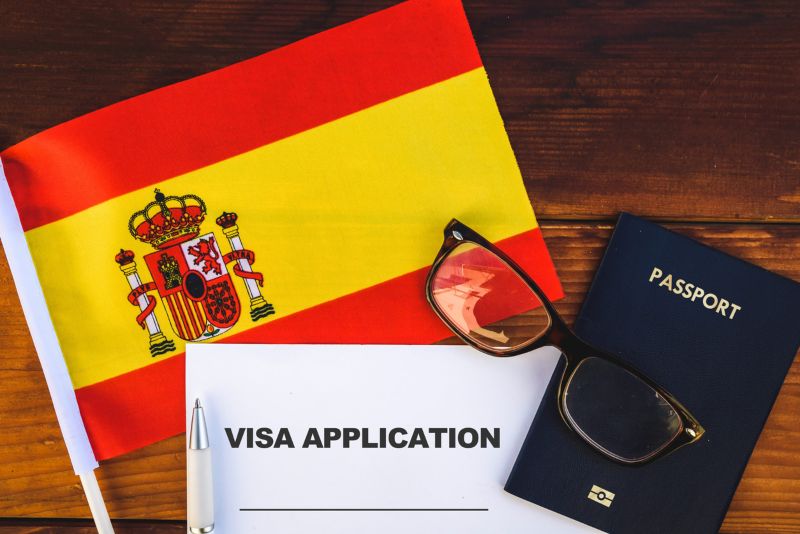
Before breakfast, place your documents on a table, bed, or other clear surface. Include your passport, entry paperwork, appointment confirmations, proof of accommodation, insurance documents, school or work letters, payment records, and any copies you prepared before travelling. Keep originals protected while you sort.
Create three groups:
- Ready: documents you have and can identify immediately.
- Needs attention: missing copies, unclear versions, incomplete forms, or items you need to verify.
- Later: documents unrelated to your next administrative step.
This is a sorting task, not a legal review. You are creating a reliable picture of what is in front of you. Requirements vary by immigration status and can change, so confirm the current rules through the appropriate official source before acting.
If three piles help, keep them. A similar approach appears in this guide to making a first morning manageable.
Define “done” before you start
A vague task such as “deal with my visa” has no clear finish line. Your mind keeps treating it as an open emergency.
Give the morning quest a smaller boundary: “By breakfast, I will know which documents are ready and which three items need checking.”
That definition matters. It stops a quick sort from expanding into hours of searching immigration forums, comparing old advice, and worrying about every renewal you may face months from now.
As you sort, write the needs-attention items in plain language:
- Check whether this scan is readable.
- Confirm which version is current.
- Make one backup copy.
- Find the appointment message.
- Verify the requirement with an official source.
Avoid writing “fix paperwork.” That phrase hides several decisions inside two words. A useful next action should tell a tired newcomer exactly what to do.
Protect the calm you just earned
Once the documents are sorted, stop. Put the ready group into one folder and store the originals somewhere secure. Photograph or scan essential papers if you do not already have usable backups, then keep those files in a protected location you can reach if your phone or laptop goes missing.
Choose one needs-attention item for later that day. Leave the others on the list.
This pause is part of the method. Completing a small quest creates visible progress, while immediately adding five more tasks turns the win back into pressure. Bogotá will still be there after breakfast. So will the messages, errands, and unfamiliar streets.
You can now give yourself a modest local reward: coffee, breakfast, or a short walk near your accommodation. The point is not to pretend the bureaucracy has disappeared. You have replaced an undefined pile of worry with a folder and a short list.
Build a repeatable Day 0 routine
Phelps could keep racing without clear vision because the next action had already been practised. Your relocation routine can work the same way.
When a checklist starts feeling endless, use this sequence:
- Pick one task with a visible finish line.
- Gather only the materials needed for that task.
- Sort facts from questions.
- Record the next action for each question.
- Stop when the defined task is complete.
Tomorrow’s quest might be checking the details on one document, preparing for one appointment, or creating reminders for expiry dates. If missing paperwork threatens an appointment, this account of one missing file shows why a focused check can matter.
For now, close the folder. Write one next action at the top of your list. Then go and meet Bogotá with breakfast behind you and one completed quest already counted.