Moving abroad feels more manageable when you choose three useful wins instead of carrying thirty unfinished tasks in your head. In Vienna, those wins might be preparing your Meldezettel paperwork, setting up Wiener Linien for everyday travel, and finding one local place that makes the city feel less unfamiliar.
Imagine Lena, a freelance illustrator who arrived with one suitcase, a temperamental laptop, and enough German to order coffee. At 7:40 on her first weekday morning, she is standing beside the kitchen table in her temporary room, holding a folder she has already emptied twice.
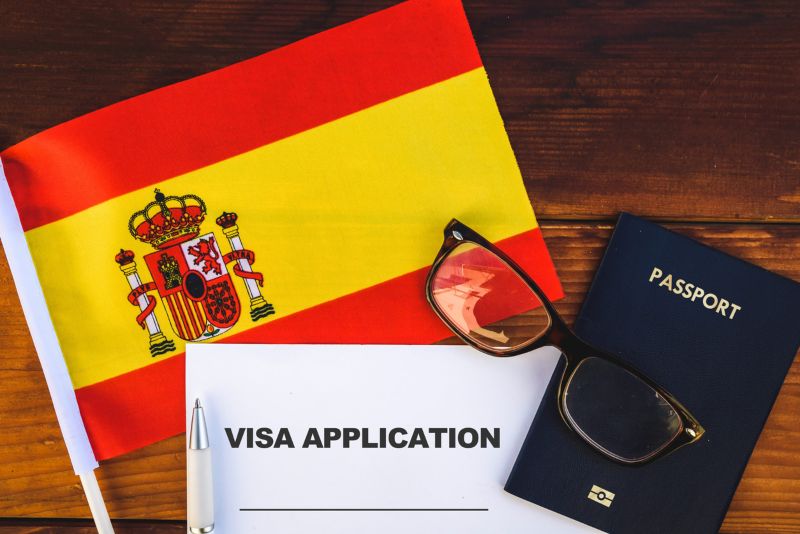
Her registration paperwork is due to move forward, but one detail on the Meldezettel is still unclear. If she leaves with the wrong documents, she could lose the morning, delay the registration she needs for later tasks, and spend another night wondering which part of her move will unravel next.
Thirty tasks glare at her from a note on her phone. She chooses three.
Win one: Make the Meldezettel folder boring
The first win happens before Lena reaches the door.
She stops searching through messages, screenshots, and browser tabs. Instead, she gathers the Meldezettel paperwork and supporting documents she believes she will need into one physical folder. She checks the current official guidance, confirms which sections require attention, and writes down the one point she still needs to verify.
That last step matters. “Figure out registration” is a fog. “Confirm this one field before handing over the form” is a task.
Aqee’s guided journey gives the morning a boundary: prepare the registration step, record what remains uncertain, then move on. The progress comes from completing the next meaningful action, not pretending the whole relocation can be solved before lunch.
Requirements can change, and individual situations differ. Lena treats her checklist as a way to stay organized, then uses current official information for the final answer. Calm preparation and reliable sources belong together.
By the time she leaves, the folder has stopped feeling dangerous. It is simply a folder.
Win two: Turn Wiener Linien into a familiar tool
After dealing with the paperwork, Lena’s instinct is to open the giant relocation list again. Bank account. Residence permit. Health coverage. SIM card. Long-term housing. Each item seems to depend on another item.
She closes it.
Her second win is smaller: set up Wiener Linien for the journeys she expects to make, check the current ticket options, and save the route back to where she is staying. She confirms the details through official information because fares, products, and conditions can change.
This is practical, but the real benefit is confidence. Public transport turns Vienna from a collection of unfamiliar names into places she can reach again.
The principle travels well. One known journey creates a foothold in a new city, as this story about turning an unknown Auckland bus route into a repeatable journey shows. You do not need to understand the entire network. You need one route you can repeat without holding your breath at every stop.
Lena saves the essentials on her phone and writes the return address on paper. Her battery has been unreliable since the flight, and an offline backup costs nothing. The city becomes one degree less uncertain.
Two wins.
Win three: Find one reason to return
The third task has no form attached to it.
Lena heads toward Karmelitermarkt and gives herself a simple assignment: notice one place she would willingly visit again. She is not trying to “experience Vienna” in a single morning. That would turn exploration into another impossible checklist.
She walks past market stalls, hears conversations she cannot follow yet, and pauses at a small counter. She orders something warm, finds a place to stand, and marks the location on her map.
For a few minutes, nobody needs a document from her.
This small discovery does useful emotional work. Bureaucracy can make a newcomer feel like a file moving between desks. A familiar market stall, bakery, bench, or corner shop begins to restore a sense of personal life. It gives tomorrow a destination that has nothing to do with proving identity or meeting a requirement.
That is why settling in deserves its own place beside relocation admin. The residence paperwork protects your legal footing. A repeatable route protects your independence. One chosen local place gives you a reason to look up from the list.
Build tomorrow from today’s three wins
Back in her room, Lena still has plenty to do. The long list has not vanished, and she has no neat answer for every part of her move.
But three things have changed.
Her Meldezettel documents are gathered, with one uncertainty clearly marked for verification. Wiener Linien is set up for the journeys she needs, with a backup address in her pocket. Karmelitermarkt now contains one spot she recognizes.
She records those wins in her Aqee journey and chooses tomorrow’s next three steps. The list no longer arrives as one heavy block. It unfolds in a useful order, one completed move creating enough confidence for the next.
Before closing her laptop, Lena places the document folder beside the door. Under her phone is the scrap of paper with her return address. On the map, a saved pin waits at Karmelitermarkt.
Tomorrow begins there.