
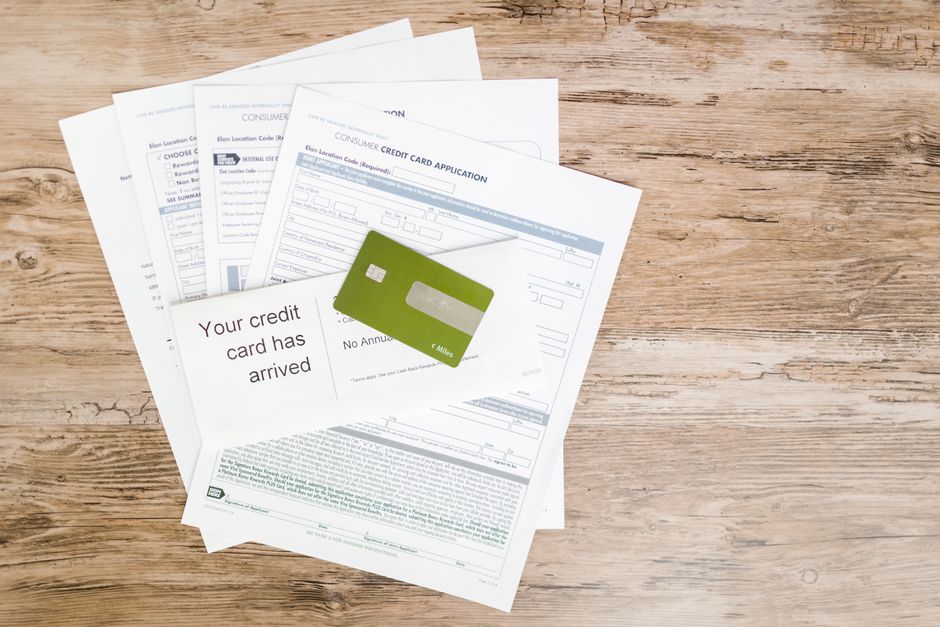
Canada’s 2026 study-permit target is 7% lower, with planning split between new international students and people extending their permits. Prospective students should apply earlier, keep every document ready, and build a backup plan before committing to housing or travel.
In April 1970, Apollo 13 was already on its way to the Moon when an oxygen-tank explosion changed the mission. Astronauts Jim Lovell, Jack Swigert, and Fred Haise had to abandon the original plan and work with limited power, air, and time. NASA’s ground team in Houston had to solve problems that had never appeared in a training manual exactly as they were now appearing in space.
The outcome was still uncertain when engineers began adapting equipment and procedures to keep the crew alive. The mission returned safely to Earth, but only after the crew and ground team treated every remaining resource as something to track carefully. The account is documented in Jim Lovell and Jeffrey Kluger’s book Lost Moon, later adapted into the film Apollo 13.
Your Canada study plan needs the same practical habit: keep your main route clear, but prepare the next route before you need it. A lower permit target means timing and documentation matter more, especially for students entering Canada for the first time.
What the 7% reduction means for new students
The reduction applies to Canada’s overall study-permit planning for 2026. The important detail is how the available capacity is divided. New arrivals and permit extensions are treated as separate parts of the plan, so a student applying from outside Canada is working within a different part of the system from someone already in Canada who needs to continue their studies.
That distinction changes how you should read headlines about the national target. A 7% reduction does not mean every student loses exactly 7% of their chance. It means the national room for new permits is tighter, and institutions, provinces, and applicants need to plan with less spare capacity.
Start by checking what your school requires before it can support your application. Some steps are controlled by the institution or province, including documents connected to your admission and study plan. Keep those records together, and confirm that names, dates, program details, and financial information match across every file.
A useful starting point is this guide to the Calgary study permit PAL process and what school-controlled steps teach you about Day 0.
How to adjust your application timeline
Give yourself room for corrections. A missing document, an unclear scan, or a mismatch between your application and school records can become more costly when capacity is tighter.
Work backwards from your intended start date and mark the points you cannot easily move:
- when your school needs documents from you
- when your financial evidence must be current
- when your housing decision becomes expensive to change
- when flights or other travel arrangements become difficult to recover
- when you need enough time to respond if the authorities request more information
Keep a version of your application folder that is easy to review. Include your admission documents, identity records, financial evidence, correspondence, and a simple timeline of what you submitted and when. Save important files somewhere you can access if your phone or laptop fails.
That may sound ordinary. It is the administrative equivalent of Apollo 13’s separate resource calculations. When conditions change, scattered information slows every decision. A clear folder gives you options.
Build a backup plan before you pay for the move
A backup plan should be specific enough to use. Consider a later intake, another eligible institution, a different city, or a deferral policy that protects your place without forcing you to restart everything. Check each option directly with the school and the relevant official guidance, because policies vary.
Delay commitments that depend entirely on permit approval when the cost of changing them would be difficult to recover. Housing, flights, insurance, and large transfers deserve a second look before you know your application is ready to move forward.
You can also separate your planning into “this week” and “later.” This week might include confirming school documents, checking your passport validity, and reviewing your financial evidence. Later might include buying a flight, choosing furniture, or planning your first weekend in the city.
The same approach helps after approval. Canada’s paperwork is only one part of relocation. You still need an address, a phone plan, banking, local transport, and a way to meet people. The 20-minute checklist for a disrupted Canada study plan is a useful reminder to protect your options before the pressure peaks.
Apollo 13 did not return safely because the crew had a perfect plan for every possible failure. They returned because the team kept the plan visible, tracked what remained, and prepared workable alternatives while the situation was changing.
For a 2026 Canada study permit, do the same on a smaller scale. Apply with time to correct mistakes, keep your documents easy to verify, and decide your fallback before a delayed or unsuccessful application makes the decision for you.


