
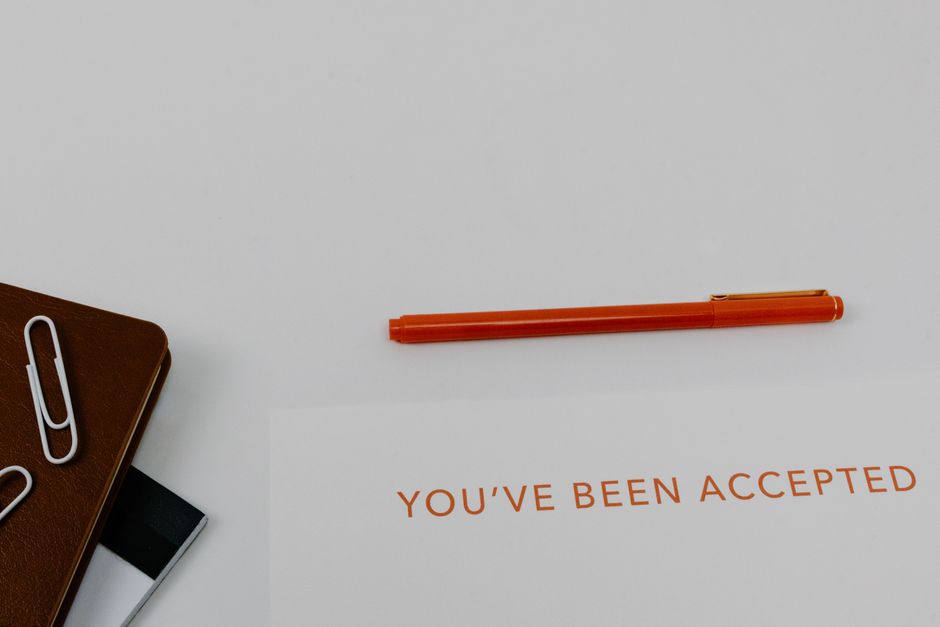
Maya had a folder open on her kitchen table in Calgary, one hand holding her admission letter and the other refreshing an email inbox that still had no provincial attestation letter. Her program start date was getting closer. The school had confirmed her place, but the next step depended on understanding which document the study permit application required, who issued it, and whether any exception applied to her situation.
A PAL or TAL can be required before you submit a Canadian study permit application, depending on your circumstances. It supports the application by showing that the province or territory has allocated space for the intended international student, while the final study permit decision remains with Immigration, Refugees and Citizenship Canada (IRCC). The safest preparation method is to confirm the current rule, check any exception carefully, contact the intended designated learning institution (DLI), and build the full IRCC application around the actual requirements.
Maya’s situation is an illustrative composite, not a real case. Her uncertainty reflects a common preparation problem: treating the admission letter as the entire Day 0 plan. Admission establishes a relationship with the school. A PAL or TAL may form part of the study permit application. Neither document, by itself, guarantees approval.
Understand what a PAL or TAL does
A provincial attestation letter, or PAL, is connected to the province’s process for allocating international student spaces. A territorial attestation letter, or TAL, serves a similar role for a territory where that process applies. The document is generally linked to the student, the intended institution, and the intended study plan. The precise process depends on the responsible province or territory and the school’s instructions.
The practical point is simple: a PAL or TAL is an application document, not a study permit. It does not replace the admission letter, proof of funds, identity documents, or other information required by IRCC. It also does not turn an incomplete application into a complete one.
That distinction matters when you are planning your move. A student may have an offer of admission and still need to complete another provincial step before submitting the study permit application. The school may provide instructions, request information, or explain how the letter is obtained. The province or territory controls the allocation framework, while IRCC assesses the study permit application.
Think of the process as a chain with separate links:
- The DLI confirms admission to a program.
- The province or territory handles the applicable attestation allocation process.
- The student receives or obtains the required attestation evidence, if the rules require it.
- The student submits a complete study permit application to IRCC.
- IRCC assesses the application and decides whether to issue the permit.
A break in one link can create confusion later. For example, uploading only an acceptance letter when a PAL or TAL is required may leave the application incomplete. On the other hand, assuming that a PAL guarantees a permit decision creates a different risk: you may overlook financial, identity, admissibility, or study-purpose requirements.
Use the official IRCC instructions as the source of truth. The letter’s wording, validity, submission method, and related instructions can change. Check the current requirements at the point when you prepare the application, even if a friend, school forum, agent, or older guide describes a different process.
Maya eventually wrote three questions on a sheet beside her laptop:
- Do the current PAL or TAL rules apply to my study level and situation?
- If they apply, what does my intended DLI require me to do?
- What must be included in the complete IRCC application after I receive the letter?
Those questions turned a vague inbox problem into a sequence she could verify.
Check whether the current exception rules apply
Some applicants may fall within an exception to the PAL or TAL requirement. The exception rules are specific, and eligibility depends on the facts of the application. You should never rely on a broad statement such as “graduate students do not need one” or “students renewing a permit are exempt” without checking the current IRCC guidance and confirming how the rule applies to your circumstances.
Start with your intended study level, program, location, and application type. Then compare those details with the current exception information published by IRCC. If you believe an exception applies, save the exact source and identify the evidence that supports your position.
An exception is a conclusion you need to support. It is not a feeling based on a similar student’s experience.
Questions to verify include:
- Is the applicant applying for a new study permit, extending an existing permit, or changing another part of their status?
- Is the intended program at the study level described in the current IRCC guidance?
- Is the application connected to a province or territory with a PAL or TAL process?
- Does the applicant’s personal situation fit the stated exception?
- Does IRCC require evidence showing why the exception applies?
- Has the guidance changed since the applicant last checked?
Do not submit a blank field, an unexplained note, or a document from an old application simply because you believe the exception is obvious. If the official instructions indicate that evidence is needed, prepare it in the format requested. If the instructions are unclear, ask the intended DLI or obtain regulated immigration advice before submitting.
The safest habit is to preserve a small evidence trail. Record the date you checked the official IRCC page, the rule you believe applies, the exception you considered, and the documents that support your interpretation. This record will not decide the application, but it can prevent you from rebuilding your reasoning after several weeks of preparation.
You should also separate two questions that are often mixed together:
- “Do I need a PAL or TAL?”
- “Will IRCC approve my study permit?”
The first concerns a document requirement. The second concerns the full application and the applicant’s eligibility. A PAL or TAL answer does not settle the broader permit decision.
If a current IRCC page and a school instruction appear to differ, pause before submitting. Ask the school to explain the difference and check the official source again. Keep copies of the response and the page you relied on. Rules involving international study can change, and advice written for a previous intake may no longer match the current process.
This is also where relocation planning should begin. Your immigration documents affect the timing of housing, travel, banking, health coverage, and arrival tasks. Aqee can help you create an Aqee local-settlement checklist for the practical work around your move, but the official authorities and your DLI remain the sources for immigration requirements.
Work with the intended DLI and province
Your intended DLI is the first practical contact for the PAL or TAL process connected to your admission. Ask the school what it needs from you, how it communicates the next step, and what you should do if your personal details or study plan change.
Use the name and program information exactly as they appear in your official admission documents. Small inconsistencies can create avoidable follow-up. Check your legal name, date of birth, passport details, program title, study level, campus information, and intake information before sending anything to the school.
A useful message to the international admissions team can be short and precise:
“I have accepted admission to [program and intake]. Please confirm whether I need a provincial or territorial attestation letter for my intended study permit application, whether your institution obtains or requests anything on my behalf, and which documents or details you need from me.”
Avoid asking only, “Do I need a PAL?” Give the school enough context to identify the relevant process. If you have changed programs, deferred an intake, updated your passport, or accepted a different offer, mention that clearly.
The DLI may have its own internal deadlines or instructions. Those are separate from IRCC’s application requirements. A school may ask for information before it can proceed with its part of the process, and the province or territory may operate through a system the school manages. Do not assume that receiving an admission letter automatically means the attestation step is complete.
Keep the school’s replies with the rest of your application records. Save the original attachment, the email date, and any version of the letter you receive. If the school sends a corrected document, keep the corrected version clearly marked and avoid uploading an outdated copy by mistake.
Maya found that her first admission document used an abbreviated version of her middle name, while her passport used the full name. The mismatch did not automatically answer whether she could apply, but it gave her a concrete question to resolve before the application reached IRCC. She contacted the school, asked which version should appear on the attestation record, and stored the response in the same folder as her passport scan.
That small check changed the rest of her preparation. Instead of treating the PAL as an isolated document, she began checking every document against the same core identity details.
If your school cannot answer a question about the provincial or territorial process, consult the responsible provincial or territorial information source and the current IRCC page. If you need advice about your personal eligibility or an exception, use an authorized immigration professional. A school can explain its process, but it may not be able to provide individualized legal advice.
Build the complete IRCC application
Once you understand the PAL or TAL requirement, return to the full study permit application. The attestation letter is one part of the package. It should sit beside the other documents and explanations that show who you are, what you plan to study, how you will support yourself, and why your application meets the current requirements.
Begin with the official IRCC application instructions for study permits. Make a document inventory based on your situation rather than copying a generic checklist from a forum. Your inventory may include:
- A valid passport or travel document.
- The DLI’s admission letter.
- The PAL or TAL, if required.
- Forms and supporting documents identified by IRCC.
- Evidence of financial support in the form and scope requested.
- Documents explaining your study plan where applicable.
- Identity, family, travel, or status documents relevant to your application.
- Translations or certified copies where IRCC requires them.
- Any additional evidence requested through the application process.
The exact list can depend on your circumstances. Check the current IRCC instructions instead of treating this list as complete.
Review each file for legibility, consistency, and completeness. A document that is technically present but difficult to read can still create a problem. Make sure scans show all pages, signatures, dates, stamps, and identifying information that the instructions require. Use clear filenames so you can distinguish the current document from an older draft.
Your written explanations should answer the questions an officer needs to assess. Explain the study plan plainly. Connect the selected program to your previous education or work where relevant. Describe the funding plan without relying on vague promises. Address unusual gaps, changes, or inconsistencies before they become unexplained spaces in the record.
Be careful with financial evidence. Do not use a number copied from an old article unless it matches the current IRCC requirement and your situation. The source, date, account holder, relationship to the applicant, and available funds may all matter. If another person supports you, make the relationship and support arrangement clear through the documents requested by IRCC.
A PAL or TAL does not remove the need to prepare these parts carefully. An acceptance letter does not remove them either. The permit decision is based on the application as a whole.
Maya returned to her kitchen table after receiving the school’s instructions. The possibility of missing the intake was still real because her application was not ready. She had an admission letter, but her financial documents were scattered across two accounts, one translation was incomplete, and she had not written down why the program fit her longer-term plan. Her deadline anxiety had a cause she could see.
She created four folders: identity, school and attestation, finances, and explanations. Then she made a final review column beside every item: obtained, checked, translated if required, and ready to upload. The folders did not guarantee an approval. They gave her a way to find the gaps while there was still time to address them.
Review the final application as a connected record. The name on the passport should match the name used in the school documents or be explained where differences exist. The program and intake should match across the admission letter, attestation document, forms, and written explanation. Dates should make sense. If you changed plans, explain the change rather than hoping the inconsistency will be ignored.
Before submission, check the current IRCC page again. Confirm that the application method, document instructions, and PAL or TAL guidance have not changed. Keep a copy of what you submit, including the uploaded files and confirmation records. After submission, monitor the communication channel associated with the application and respond to requests within the stated instructions.
What to do next
Your next action is to build a verified preparation trail:
- Open the current IRCC PAL or TAL guidance and the study permit application instructions.
- Write down your intended province, DLI, study level, program, and intake.
- Check whether the current PAL or TAL rule applies.
- Check each possible exception against the official wording and your evidence.
- Ask the intended DLI what it requires and who handles the applicable process.
- Build the complete application document inventory.
- Resolve name, date, funding, translation, and study-plan gaps before uploading.
- Create an Aqee local-settlement checklist for the practical work that follows your immigration preparation.
For a closer look at how school-controlled steps can shape the earliest part of a move, read Calgary study permit PAL process: What School-Controlled Steps Teach You About Day 0. If your study permit is already in place and you are planning around its expiry, this guide to maintaining status in Canada addresses a different stage of the process and should be checked against current official guidance.
Maya’s final checklist ended with one practical line: “Do not confuse a document that supports the application with a decision on the application.” She saved it beside her passport scan, then moved on to the next task, checking what she would need during her first week in Calgary.
Sources
- IRCC, provincial or territorial attestation letter, checked 2026-09-24.
- IRCC, submitting a PAL/TAL, checked 2026-09-24.
- IRCC, PAL/TAL exceptions, checked 2026-09-24.
- IRCC, how to apply for a study permit, checked 2026-09-24.
Related Aqee guide
Keep the practical follow-up in your wider move plan with Aqee’s immigration-paperwork guide.



I like this