
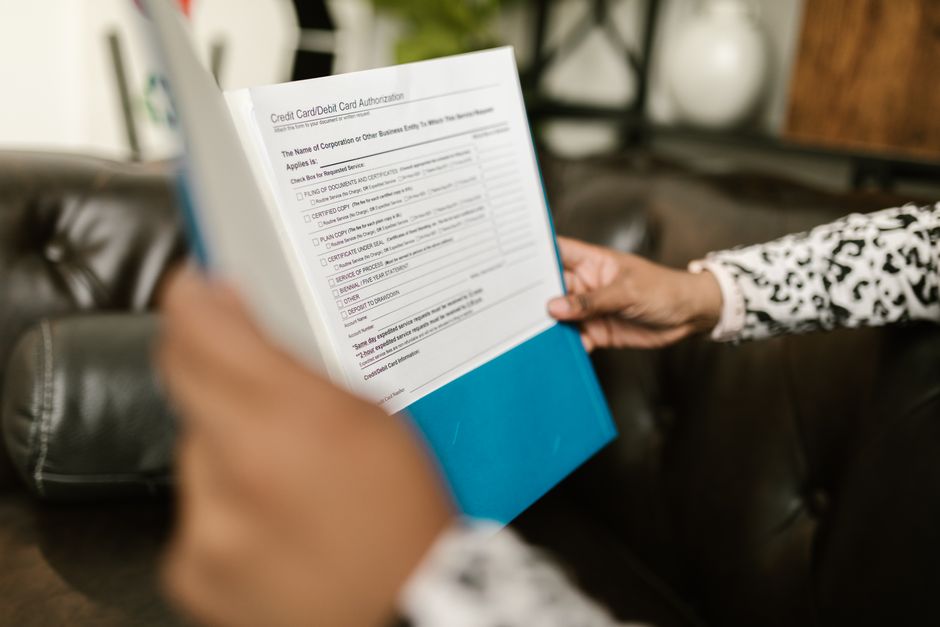
In Fukuoka, a move-in notification, residence-card address registration, and health-insurance enrollment are easier to manage when you treat them as three linked tasks with separate documents and outcomes. Bring your address evidence, keep every receipt or confirmation, and pause after each desk to check what changed in your records.
On April 13, 1970, Apollo 13’s crew and the teams in Houston faced a problem that could not be solved by rushing through a long list. An oxygen tank had exploded, and the mission changed from landing on the Moon to bringing Jim Lovell, Jack Swigert, and Fred Haise home. One urgent issue was carbon dioxide building up in the lunar module, while the available filters from the command module did not fit. NASA’s account of the mission documents how engineers worked through the constraints and devised an adapter from materials already aboard.
A ward-office morning has smaller stakes, thankfully. The useful lesson holds: separate a tangled problem into the next workable step, confirm it, then move forward with the record you will need later.
Start with the address record
Your new address is the thread running through the morning. Bring the documents that show where you are living, plus your residence card and passport, and keep originals accessible rather than buried in a suitcase pocket.
The move-in notification establishes that you have arrived at that address. The residence-card address step updates the record you carry with you. They sound similar because they are connected, but they serve different purposes. Giving yourself a moment between them helps you catch a spelling difference, a missing room number, or an address format that does not match your housing paperwork.
That small check matters later. An address record can surface again when you set up everyday services, receive official post, or renew a residence permit. The same principle appears in Your Miami address record. Tomorrow’s paperwork may depend on it.: the address you register today can shape what is easy tomorrow.
Let each desk close one open loop
Think of the three desks as three open loops, rather than one giant task called “become settled.”
At the first, focus on the move-in record. At the second, look closely at the address entered for your residence card. At the third, ask what proof you should retain for your health-insurance enrollment and what future correspondence to expect.
Write down the outcome before you leave each desk. A note on your phone can be enough: date completed, document shown, document received, and anything you need to do next. This takes a minute and saves you from trying to reconstruct the morning weeks later when a letter arrives in Japanese or another appointment asks for a prior record.
Paperwork often feels heavy because every form appears to depend on every other form. In practice, the dependency is usually more manageable: one confirmed address supports the next update, and one saved confirmation gives you something solid to refer back to.
Carry a small proof folder, not a heroic memory
The Apollo 13 team did not solve their problem by remembering what was available. They worked with the materials and limits in front of them. Your version is much less dramatic: a small folder, a charged phone, and copies of the documents you used.
Keep your housing paperwork, identity documents, any forms handed back to you, and a photo of each completed page in one place. Use filenames you can search later, such as “Fukuoka-address-registration” or “health-insurance-confirmation,” rather than “IMG_4821.” If a staff member asks you to return with another document, note the exact item before you walk away.
This is especially helpful during your first weeks in a new city, when grocery runs, furniture deliveries, unfamiliar streets, and messages from home all compete for attention. The admin deserves a place in your day, but it does not need to take over your whole move.
Make the afternoon feel like yours
Once the three records are handled, give yourself one small Fukuoka task that has nothing to do with forms. Find the nearest supermarket. Learn the route home from a landmark you recognize. Save a café, park, or bookstore you want to revisit.
That is how a new address begins to feel less like a line on a document and more like your base. Apollo 13 returned safely because people turned a frightening, interconnected problem into a sequence of practical actions. Your ward-office morning can work the same way: confirm the address, keep the proof, complete the next record, then step back into the city with fewer loose ends.


