
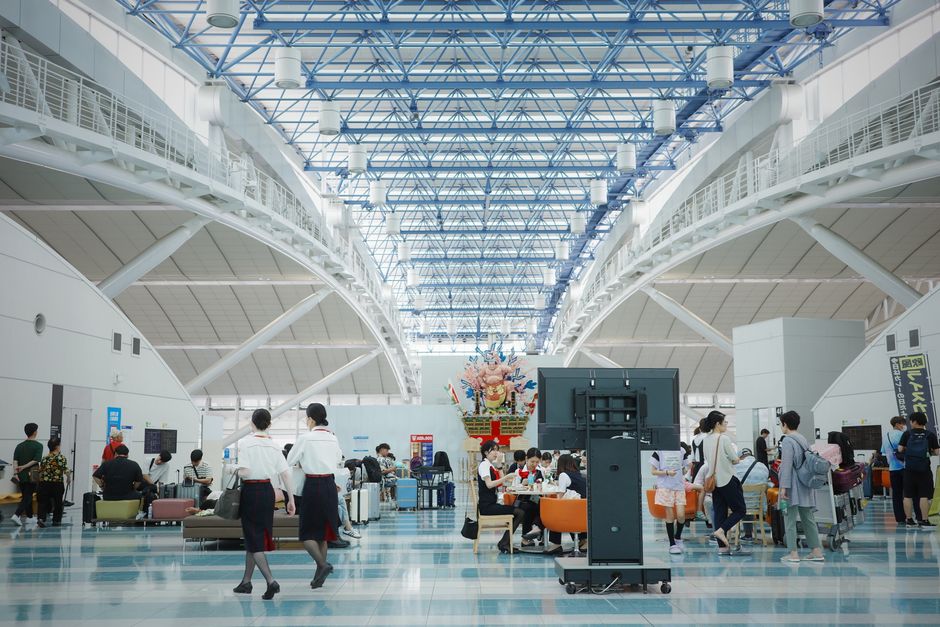
Your first morning in Miami can stay calm if you focus on three wins: arrive with your key documents accessible, confirm your temporary address details, and review what needs attention next. Leave bigger tasks for later, when you have slept, eaten, and know where you are.
In 1970, Apollo 13 was on its way to the Moon when an oxygen tank exploded. James Lovell, Jack Swigert, and Fred Haise had to abandon the lunar landing and work with Mission Control in Houston to get home. NASA’s Apollo 13 mission history records the problem as a sequence of immediate priorities: preserve the crew, protect the spacecraft’s remaining resources, and follow the information available step by step.
A new country can create its own smaller version of information overload. You have luggage, messages from family, an unfamiliar time zone, and a list of tasks that all seem urgent. Your first morning does not need a grand plan. It needs a short one that keeps the important details within reach.
Win one: make your arrival details easy to retrieve
Before you leave Miami International Airport, put your passport, entry documents, accommodation confirmation, and a way to access your onward travel details in one place. A physical folder works. So does a clearly labelled phone folder with offline copies.
This is useful even after border control. Your accommodation host may ask for your booking details. A bank, employer, university, or local service provider may later need the exact spelling of your name and address. Finding the right file in a crowded inbox while standing at a reception desk is nobody’s idea of a welcome to Miami.
Use the ride to your temporary address to check two simple things: that your phone can make calls or use data, and that someone else you trust can reach you. Save the address in the format shown on your booking confirmation. Avoid relying on memory after a long flight.
Apollo 13’s crew and Mission Control could only act on the equipment and information they had. The same principle helps here. Keep the documents you may need today available today. The rest can wait in your suitcase.
Win two: turn your temporary stay into a usable address record
At check-in, read the address on your booking confirmation and compare it with the address you have saved. Check the unit number, building name, and your host’s contact method. Take a screenshot or save a copy somewhere you can reach without Wi-Fi.
A temporary address may be enough for your first few days, yet its paperwork can still matter. Keep the original booking confirmation, receipts, and any written messages that confirm where you stayed. If you later need to explain your arrival timeline or show where you were living, scattered chat messages make the task harder.
If the property details look inconsistent, ask early and calmly. A missing apartment number or a name spelled differently can be easy to correct while your booking is current. Aqee’s guide on keeping your address record ready for tomorrow’s paperwork explains why a small record can become useful later.
Once the essentials are saved, give yourself permission to look around. Walk a block, find water and something to eat, notice the nearest place you would recognize on the way back. Miami can wait until you have found your footing.
Win three: review your immigration documents without trying to solve everything
Set aside a quiet half hour after check-in. Open your passport and the documents connected to your move. Confirm that your name, passport number, document dates, and purpose of stay match what you expect. Write down any document with an expiry date and any task you need to research.
Do not guess at an immigration rule because a forum post sounds confident. Rules depend on your nationality, status, and destination. Build a country-specific plan before you make appointments or pay for services. This guide to preparing a visa and permit plan before Day 0 is a useful place to begin.
Your goal is a clean list, not a completed relocation. Write the next action beside each item: “confirm requirement,” “save original,” “ask landlord,” or “book appointment after checking eligibility.” That turns a worrying pile of papers into a series of smaller jobs.
Let the first day stay small
Apollo 13 did not get home through one dramatic decision. The crew and Mission Control kept addressing the next documented problem, then the next. Your Miami morning works the same way. Secure your arrival information. Keep a reliable record of where you are staying. Check the documents that shape what comes next.
By lunchtime, you may still have a long relocation list. You will also have three things that matter more: a reachable address, accessible records, and a clearer next step. Put your folder away, charge your phone, and take your first slow walk through the neighborhood.


