
The right first step is the one that unlocks the others. When housing paperwork, address registration and PESEL questions depend on one another, a dependency-based path shows which task to complete now and which tasks need to wait.
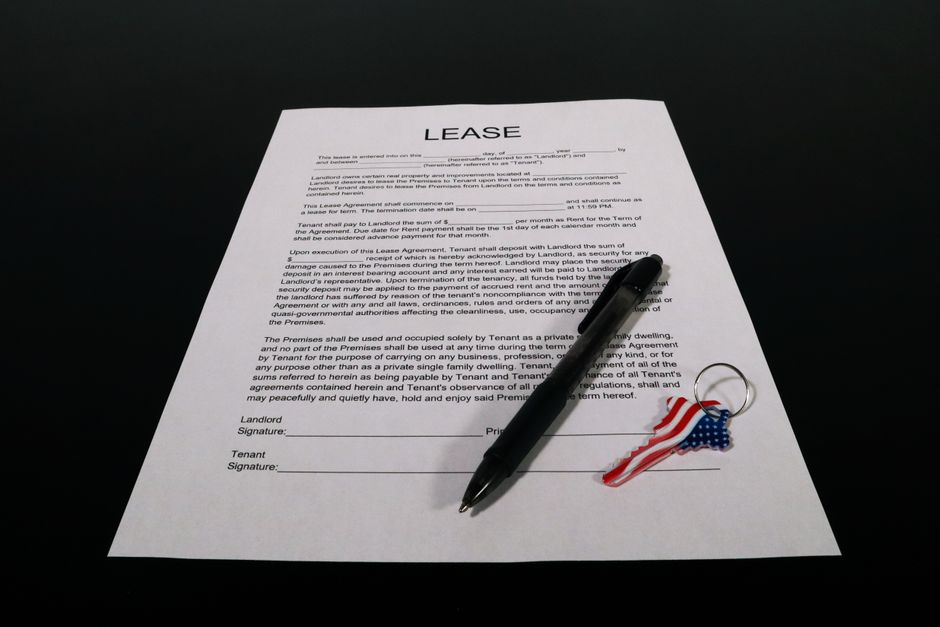
Imagine Lena, a graduate student six weeks into her move to Krakow. At 3:40 on a rainy Thursday afternoon, she is sitting at her kitchen table with a cooling mug of tea, three browser tabs and a housing document whose details she has already checked twice. Her notes say she needs an address registration for one task, a PESEL for another, and housing paperwork for both.
Every arrow points somewhere else.
When a checklist becomes a circle
Lena has one free morning before classes begin again. If she takes the wrong documents to the local registration office, she may lose that window and delay the next piece of admin. Her housing paperwork also needs attention, but she cannot tell whether it belongs at the beginning of the process or halfway through it.
A flat checklist offers little help. It can tell her that all three tasks matter, perhaps with three reassuring boxes beside them. It cannot tell her why one box should come before another.
That difference matters when you are settling in a new city. Administrative tasks rarely sit alone. One may require proof created by another. A document may need a matching address, spelling or date. Some steps can happen in parallel; others remain blocked until a prerequisite is complete.
Without those relationships, every unfinished item looks equally urgent. You start researching all of them, open more tabs and end the afternoon with better vocabulary but no completed task.
Lena can already picture the bad ending: arriving at the counter with the wrong housing document, leaving without completing the registration, and having to rearrange classes for another attempt.
The tea goes cold.
Find the step that unlocks the path
With Aqee, Lena sees the move as a personalized path rather than a loose pile of tasks. The path places required documents and dependent steps in order, so she can identify the task that opens the next part of the journey.
Her first useful question changes from “How do I finish everything?” to “What can I complete with what I have today?”
That shift lowers the pressure. She does not need to understand the entire Polish administrative system before acting. She needs to prepare the next valid step, confirm the current requirements with the relevant official source, and avoid spending energy on a task that is still blocked.
A dependency-based path can make the order visible:
- Check that the housing paperwork contains the details needed for the next step.
- Complete the available address-related task.
- Use the completed result to move forward with the PESEL-related question.
- Keep later residence permit or renewal tasks visible without treating them as today’s emergency.
The exact requirements can depend on your situation and may change, so the current official guidance remains the authority. Aqee’s role is to help you see the sequence, keep the required items together and understand where today’s action fits.
This approach also helps with document errors. A missing page, mismatched surname or unclear address can block several later tasks. Catching it at the first dependency is safer than discovering it after a trip across Krakow. The lesson is similar to the missing copy Mateo needed: one small document gap can carry much larger consequences when another step relies on it.
Make completed admin feel like movement
Lena checks the housing details against the current instructions and prepares the documents for the first available step. The knot begins to loosen.
When that step is complete, Aqee turns it into visible progress. The milestone changes state, the next dependent task becomes actionable, and Lena can see that the afternoon produced more than a folder of saved PDFs.
This is where gamified milestone tracking earns its place. Bureaucracy often hides progress. You can spend an hour checking names, dates and document requirements, then feel as though nothing happened because you still have several tasks ahead.
A visible milestone gives the work a clear ending. It says: this part is done; this next part is now possible.
That feedback also helps prevent random task switching. Instead of bouncing between housing, registration, PESEL and permit renewal, you follow the path until you reach a genuine blocker. Then you know why you are waiting and what you can prepare meanwhile.
By early evening, Lena still has admin left. The difference is visible on the screen and on her table: one completed milestone, one newly available next step, and one small stack of documents instead of three competing piles.
Use dependencies for the rest of your move
The same pattern reaches beyond Krakow paperwork. Opening a local account may depend on identity or address documents. A residence permit renewal may require records gathered months earlier. Setting up healthcare, university administration or work paperwork can expose another chain of prerequisites.
Start by writing each task on its own line. Then mark what each one requires. If two tasks point back to the same missing document or unfinished step, you have found the likely place to begin.
Keep future milestones visible, but work from the first unblocked action. Save copies as you go, keep names and addresses consistent across documents, and check official sources before visiting an office.
The next morning, Lena leaves home with one folder. She knows what the visit is for, what it unlocks and which milestone comes after it. Krakow still feels new, but the paperwork no longer feels like a circle.