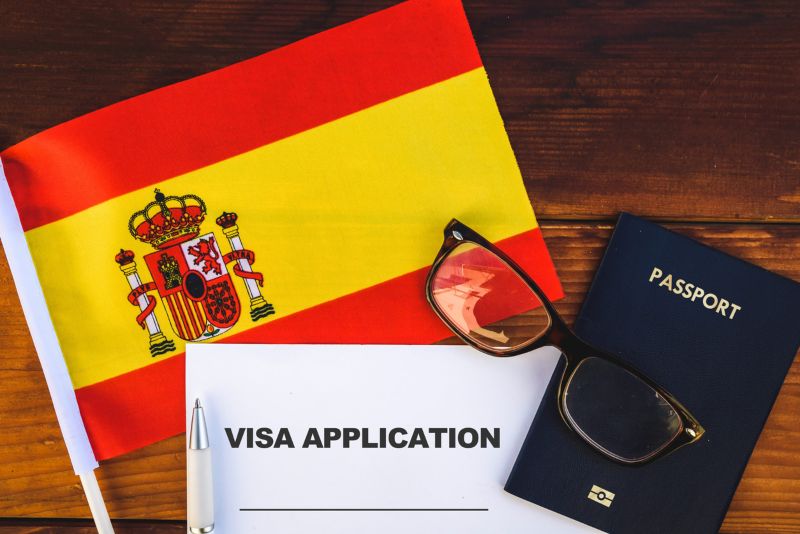
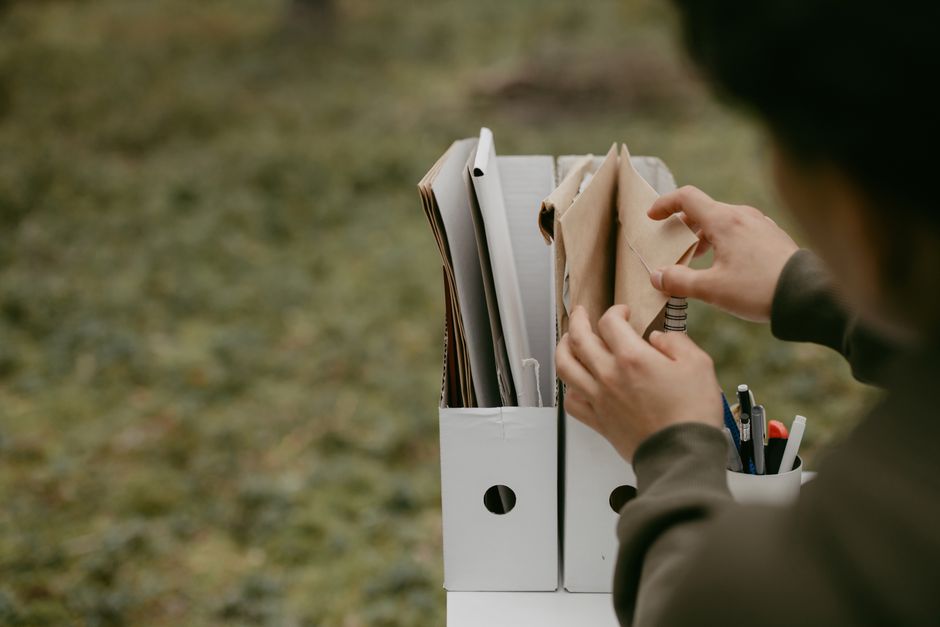
Start by separating the pile into three jobs: prove who you are, prove where you live, and identify the next residence-permit date that needs attention. Give each job one action for this morning, and leave everything else in a clearly marked “later” folder.
In April 1970, carbon dioxide was rising inside Apollo 13’s lunar module. The crew had moved there after an oxygen tank explosion crippled the command module, but the available carbon dioxide filters did not fit the system keeping them alive. Engineers in Houston, including Ed Smylie, had to work with the materials already aboard the spacecraft and turn a frightening collection of constraints into a sequence the astronauts could follow.
NASA documents the mission, and Jim Lovell and Jeffrey Kluger recount the crisis in Lost Moon. The solution used available items to connect the command module’s square filter cartridges to the lunar module’s round openings. The crew followed the instructions, and the improvised system reduced the carbon dioxide level.
Your Kraków paperwork carries far lower stakes, thankfully. The useful parallel is the method: stop treating every visible problem as one giant emergency. Sort what you have by purpose, find the next constraint, and build a workable sequence from the materials in front of you.
Turn the table into three working zones
Imagine a newcomer sitting at a small kitchen table in Kraków on their first morning. One pile contains a passport, visa papers, photocopies, and travel confirmations. Another holds the lease, payment records, and messages from the landlord. A third contains screenshots, calendar notes, and residence-permit information gathered before the move.
Every sheet seems connected to every other sheet. That feeling creates the trap. When the whole table becomes “immigration paperwork,” the brain cannot see where to begin.
Make three physical zones instead:
- Put identity and immigration papers in the first zone.
- Put housing documents in the second.
- Put every date, appointment note, expiry, and renewal reminder in the third.
Do not organize each zone perfectly yet. You are reducing three kinds of uncertainty: identity, address, and timing. Those categories give each document a job.
If a paper seems to belong in two places, choose the place where you will need it first and add a note to the other folder. One document can support several tasks without requiring several originals.
Give each pile one winnable action
The first zone needs a completeness check. Confirm that your name, passport details, and other identifying information match across the documents you already have. Flag missing copies or inconsistent spellings. Do not guess which version an authority will accept. Record the mismatch and verify it through an official source or a qualified adviser.
The housing zone needs a proof check. Gather the signed lease and any related records you have been given. Check that names, the address, and signatures are present where expected. If something appears incomplete, write one precise question for the landlord instead of sending a vague message about “missing paperwork.”
The dates zone needs a calendar action. Record the expiry dates and known appointment or renewal milestones from your documents. Add reminders early enough to give yourself time to check current requirements. Rules and procedures can change, so treat the calendar as a prompt to verify, not as legal guidance frozen in time.
This approach also protects you from the missing-copy problem. A document can exist somewhere in your inbox and still be useless when you need it at a counter. The missing copy Mateo needed shows why a quick file check deserves its own place in the plan.
Keep uncertainty out of the action list
A calm plan separates facts from questions.
“Passport expires in October” is a fact from the document. “I need to renew it immediately” may be an assumption. “Ask which proof of address is accepted” is an action. “My lease will definitely be rejected” is fear filling a gap in the record.
Use three labels as you work: confirmed, needs verification, and missing. This keeps uncertain information visible without letting it control the morning.
For anything marked “needs verification,” note the source you intend to check. Prefer current official guidance for immigration and residence matters. Advice from a friend can help you find the right question, but it should not become the final answer simply because their move sounded similar.
Aqee’s milestone approach supports the same habit: break residency and visa work into visible stages, track document expiries and renewal timelines, and use reminders to bring the next task forward. Once today’s admin is contained, shared tasks and ordinary activities can help the new city feel less anonymous.
Finish the morning with a usable file
Before leaving the table, create one folder for documents you may need soon and one folder for everything that can wait. Give digital files plain names that you can recognize quickly. Keep sensitive records somewhere secure, and avoid carrying originals unless you expect to need them.
Then write tomorrow’s first action in one sentence. It might be “verify the current proof-of-address requirements,” “request the missing signed page,” or “make copies of the identity documents.” Small and specific wins.
Smylie’s team did not solve Apollo 13 by making the problem look smaller. They made it workable by identifying what had to connect, using what was available, and giving the crew a sequence they could carry out. Your three Kraków piles deserve the same discipline.
Put the passport papers on the left, the lease in the middle, and the dates on the right. Choose one action from each. Then close the folders and go learn where your nearest bakery is.