Start with transit access, then work on your Residence Card, and choose a longer-term phone plan once you have the documents it requires. A T-Money card can give you an immediate, manageable win while the other two tasks move at their own pace.
Imagine Mina, a graduate student newly arrived in Seoul, standing outside a convenience store near Hongdae with a suitcase wheel that keeps sticking. Her temporary mobile connection is fading, check-in closes soon, and the address saved on her phone uses a building name she cannot match to the signs around her.
If she loses access to the map, she may miss check-in and spend her first night searching for somewhere else to stay. The temptation is to solve everything at once: transit, phone contract, Residence Card, bank account. That pile feels urgent. Only one part needs to move right now.
Make movement your first small win
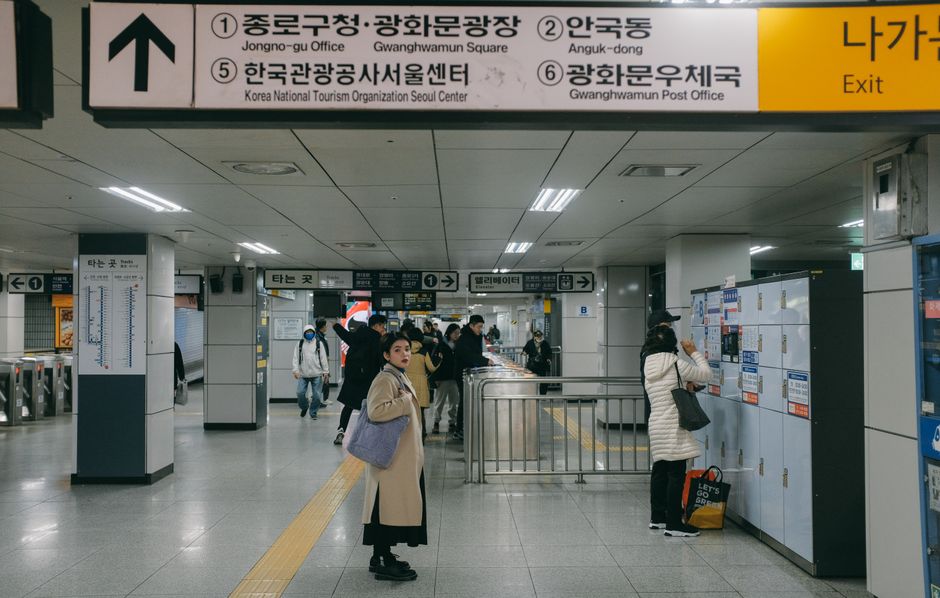
Mina buys a T-Money card, adds enough value for her next few journeys, and gets back on the metro. Before leaving the station area, she saves her accommodation address in both English and Korean and takes a screenshot of the route.
The knot in her shoulders loosens. She can reach her room, find food, and travel to the appointments ahead without treating every journey as a fresh emergency.
That is why transit access belongs near the beginning of your Seoul arrival sequence. It creates momentum before the heavier administrative tasks are complete. You can explore the route to campus or work, locate the registration office, and learn which station exit puts you on the correct side of a wide road.
Keep the first step modest. Get a card from an available seller, add a small amount, and learn how to check the remaining balance. Availability, accepted payment methods, and refund rules can change, so confirm them where you buy it rather than relying on an old social post.
This is a Day 0 win: useful immediately, easy to verify, and small enough to finish while tired.
Give the Residence Card its own track
The Residence Card usually carries more weight than a transit card. It may depend on your immigration status, supporting documents, local procedures, and an appointment or processing period. Treat it as a tracked project rather than an errand squeezed between lunch and sightseeing.
Mina’s next move is preparation. She gathers the documents relevant to her status, checks the current official instructions, records her appointment details, and keeps copies where she can reach them away from home. She also logs any expiry dates that could affect the application or her stay.
Aqee can help keep those documents, deadlines, and arrival tasks visible in one guided journey. The benefit is practical: you can see what is complete, what still needs evidence, and what must wait for another step.
Avoid building your plan around another newcomer’s exact checklist. A student, employee, spouse, and digital nomad may face different requirements. Your nationality and status can matter too. Use official guidance for your case, and treat community advice as a source of questions to verify.
The waiting period does not have to become dead time. Mina uses it to learn her local routine, test the journey to campus, and identify the documents her next tasks may request.
Use temporary mobile access as a bridge
A longer-term phone plan may require identification, local registration, a payment method, or other documents you do not yet have. The exact requirements vary by provider and plan. Walking into a shop on arrival day with one ID document and expecting every option to be available can turn fatigue into panic.
A temporary SIM, eSIM, roaming allowance, or Wi-Fi plan can bridge that gap if it works with your device and circumstances. Before buying, check coverage, data limits, duration, renewal terms, and whether calling or receiving verification messages matters for your next steps.
Think in two phases. First, secure enough connection for maps, messages, translation, and appointment details. Later, compare longer-term plans when your Residence Card or other required documents are ready.
Mina keeps her temporary setup for a little longer instead of accepting the first contract placed in front of her. She writes down what she actually needs: reliable data for commuting, a local number if required, and clear cancellation terms. By the time she compares plans, she is choosing from a calmer position.
If you are arriving late and may lose connectivity before reaching your stay, plan the no-local-SIM part of the journey before landing. The city is different, but the preparation principle travels well.
Build progress from tasks you can control
The calm sequence separates access from administration:
- Set up transit access so you can move around.
- Prepare and track the Residence Card process using current official requirements.
- Keep temporary mobile access until you can choose a suitable longer-term plan.
This order reduces the pressure to complete three dependent tasks on the same exhausted afternoon. It also gives each win a clear finish line.
A week later, Mina leaves the metro with enough battery, a saved route, and her document checklist ready for the next appointment. She stops at a bakery she noticed on her first journey and orders without staring at the clock. Seoul still feels new, but it no longer feels like one enormous unfinished task.