
Your first Saturday in Bucharest can do two jobs: close one practical arrival task, then visit Piața Obor and begin a weekly ritual. Finish the admin first so the market feels like part of your new life, rather than another item competing for attention.
Imagine Mara, a composite newcomer who arrived in Bucharest with one suitcase, a laptop, and a folder she had checked twice before flying. At 9:10 on Saturday morning, she spread her papers across the kitchen table and prepared everything for an upcoming residence permit appointment.
One document was missing.
The confirmation connected to her address was somewhere in a long email thread, but Mara could not remember which attachment contained it. Her landlord had not answered. If she arrived without the right evidence, the appointment might fail, leaving her to rearrange work and face the process again.
For several minutes, every PDF looked identical.
Then she stopped opening files at random. She checked the current official requirements, made a short list, and matched each requirement to one document. The missing confirmation was attached to the original rental email under an unhelpful filename. She saved an offline copy, placed it with the rest of her appointment documents, and wrote down the one detail she still needed to verify.
One task finished. Coat on. Obor next.
Give the morning one clear finish line
Moving abroad can make every unfinished task feel equally urgent. Your residence permit sits beside your phone setup, banking, transport, groceries, health paperwork, and the unanswered message about the washing machine.
Trying to solve all of it on Saturday morning creates a familiar result: six tabs open, three tasks half done, and no sense that the day has begun.
Choose one arrival task with a visible endpoint. You might organize the documents for your next appointment, confirm where you need to go, store essential details offline, or check an expiring document against the latest official guidance.
Define “done” before you begin. For Mara, done meant that every listed requirement had a matching document in one folder, with one unresolved question written down instead of circling in her head.
Keep the task small enough to finish before lunch. If it depends on an office reply or another person, complete the part you control and name the next action. Progress becomes easier to trust when you can see its edge.
A similar principle appears in this Auckland errand that turns an unknown bus route into a repeatable journey: repetition grows from one useful trip with a clear purpose.
Let Piața Obor teach you how Bucharest shops
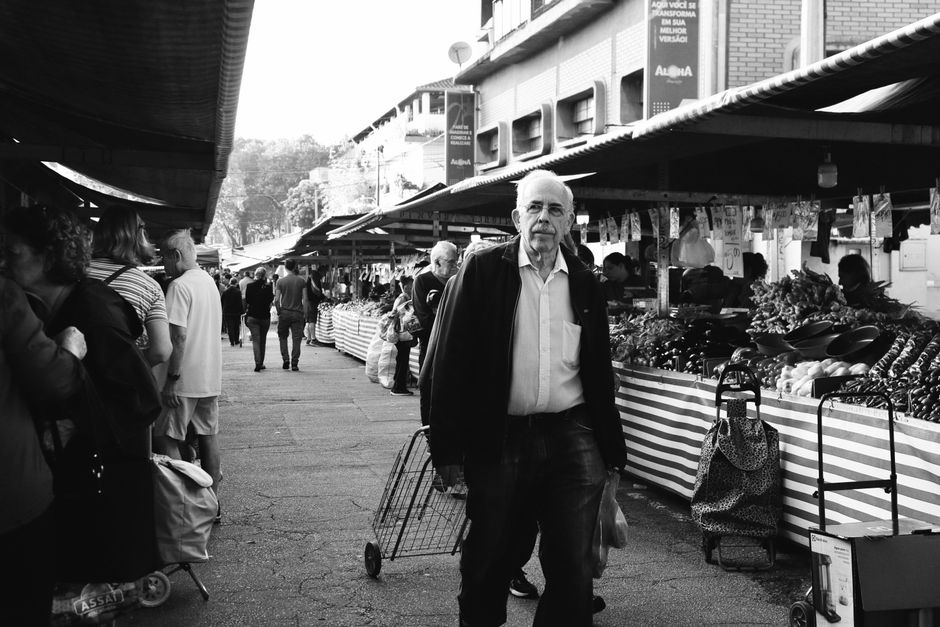
After the paperwork, go to Piața Obor without trying to master it on your first visit. Let the produce stalls set the pace.
Notice what people buy by the bag, what disappears quickly, and which stalls attract shoppers who already know what they want. Listen to the rhythm of short exchanges. Watch how people inspect produce, move through narrow gaps, and make room for one another.
Buy enough for one or two meals. This keeps the first visit manageable and gives you a reason to return. A market becomes familiar through small repetitions: recognizing an entrance, remembering where you saw good tomatoes, or knowing which turn leads back outside.
Then follow the smell of mici sizzling outdoors. You do not need to turn lunch into a cultural test. Point, ask simply, observe, and enjoy the fact that one intimidating morning has ended somewhere lively.
Mara chose vegetables she recognized, one ingredient she did not, and a portion of mici. She still checked her map before leaving, but the journey home felt different. She had completed something necessary and collected the first details of a place she could return to.
Turn the same trip into a weekly ritual
Come back at roughly the same part of the week. Familiarity grows faster when the setting stays stable.
Give each visit one small mission. Find an ingredient for a meal you already cook. Learn the Romanian word for one item. Compare what looks best this week. Bring cash and another payment option, without assuming every seller handles payment the same way. Carry a reusable bag and keep your purchase modest until you understand what you will actually use.
The goal is not to shop perfectly. It is to reduce the number of decisions the city asks you to make.
By the third or fourth visit, you may recognize the route without checking every turn. You may know which entrance you prefer or where you want to stop first. Those details matter because they replace uncertainty with memory.
Pair necessary progress with something worth repeating
Arrival admin can consume every free hour if you let it. Exploration can also become avoidance when important tasks remain untouched. Pairing the two creates a useful bargain: finish one defined task, then go somewhere that helps the city become yours.
Keep the pattern simple:
- Pick one practical task that can reach a clear stopping point.
- Check official information before relying on an old checklist or forum post.
- Store important documents and addresses where you can reach them offline.
- Follow the task with one repeatable local experience.
The next Saturday, Mara opened the same document folder, completed another small task, and left for Obor with an empty bag. This time she did not need to decide what to do with the rest of her morning. She already had a place to go.