You can make real progress in Seoul before you have a Korean phone number. Prioritize transport, food, Wi-Fi and one small navigation win, then leave number-dependent account verification for later.
Imagine Hana, a freelance illustrator moving from Lisbon, standing in the airport arrivals hall on a Sunday evening. Her suitcase has one wheel that keeps turning sideways, and her phone shows the same verification screen for the third time. No Korean number, no code, no account.
Her accommodation instructions are saved, but the route sits inside an app she cannot finish setting up. If she keeps fighting the screen, she could miss the remaining public transport options and face an expensive, unplanned ride across an unfamiliar city.
For one long minute, nothing changes.
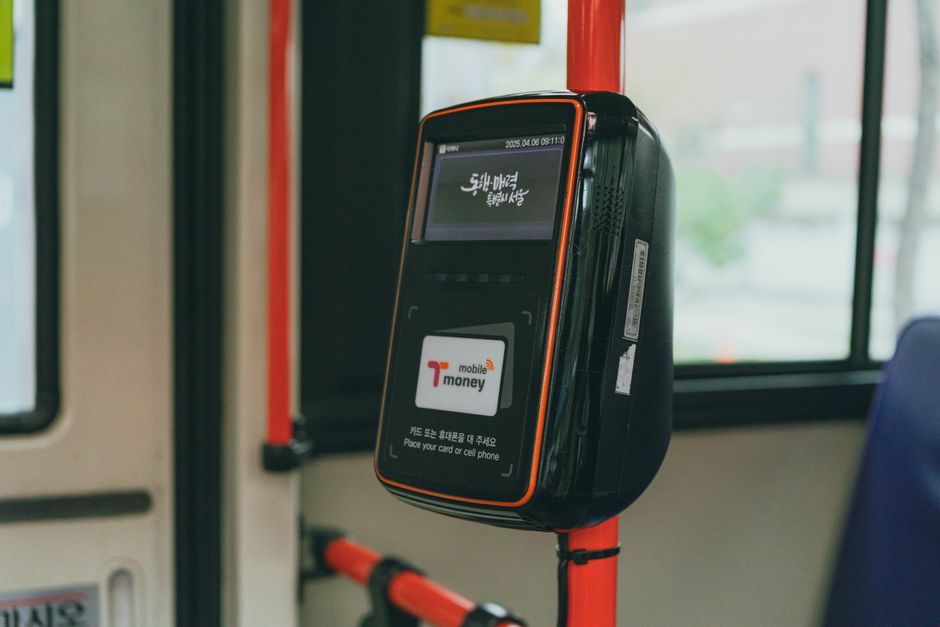
Then Hana stops treating phone verification as the first gate into Seoul. She connects to available Wi-Fi, opens the address she saved offline, follows the airport transport signs and asks a staffed counter for help. Before leaving, she gets a T-money card and loads enough value for the first journey.
The card works. One tap, one gate, one small victory.
Separate arrival needs from account setup
A Korean number can become important for deliveries, reservations, local services and accounts. That does not make it the first task you must solve after landing.
Your arrival needs are simpler:
- Reach your accommodation.
- Get something to eat and drink.
- Keep your phone charged and connected when Wi-Fi is available.
- Preserve the address and check-in instructions you already have.
- Learn one repeatable route.
Account setup belongs on your relocation checklist, but it can wait until you are rested and able to compare options carefully. A rushed decision at the airport can create a plan that costs more or fits poorly later.
This is where a guided relocation path helps. Aqee separates paperwork, deadlines and everyday challenges into manageable steps, so a blocked verification screen does not make the whole move feel blocked.
Build a first-day route that needs no local number
Start with the tools that work independently of SMS verification.
Keep your accommodation address in Korean and in a language you can read. Save it as text, take a screenshot and write it in an offline note. Include the building name or another identifying detail supplied by your host. If your battery drops or a connection disappears, the address remains available.
For transport, use station signs, staffed information points and a reloadable transit card where appropriate. Payment methods and purchase locations can change, so look for current instructions when you arrive and keep a backup payment option available.
Food can stay simple too. A staffed counter, café or convenience store lets you point, translate or ask directly without creating an account. Pick the option that gets you fed, rather than spending your first evening wrestling with a delivery app.
Hana does exactly that. Near her accommodation, she chooses a meal she can order face to face, fills her water bottle and checks tomorrow’s route while connected to Wi-Fi. Sunday stops feeling like a failed setup day. It becomes her first functional evening in Seoul.
Turn one T-money trip into a repeatable win
The first successful ride matters because it gives you more than transport. It gives you a route you can repeat when you are tired, distracted or carrying paperwork.
Notice the useful details as you go. Which station entrance did you use? Where did you transfer? What landmark appears near your accommodation? Save screenshots while you have a connection, and pin the destination if your map allows it without an account.
Treat the trip like a small quest:
- Find the correct entrance.
- Make the tap successfully.
- Follow the direction signs.
- Recognize the stop before yours.
- Walk from the station to your door.
That sequence turns an unknown city into five solvable actions. It follows the same principle as turning one Auckland errand into a repeatable journey: repeatability creates confidence faster than trying to understand the entire transport network at once.
Save Monday’s admin before Sunday ends
Once Hana reaches her room, she does not restart every unfinished registration. She plugs in her phone, checks that her passport and arrival documents are together, and writes three tasks for the next day: compare phone options, complete the accounts she genuinely needs and review upcoming relocation deadlines.
She also stores the accommodation address somewhere available offline. That small step matters more than it sounds, as Mina’s missing offline note in Seoul illustrates.
By bedtime, Hana still has no Korean number. She has eaten, crossed the city, used her T-money card and found her way back from the corner shop without checking the map twice.
Tomorrow has paperwork. Tonight, she knows how to get home.