
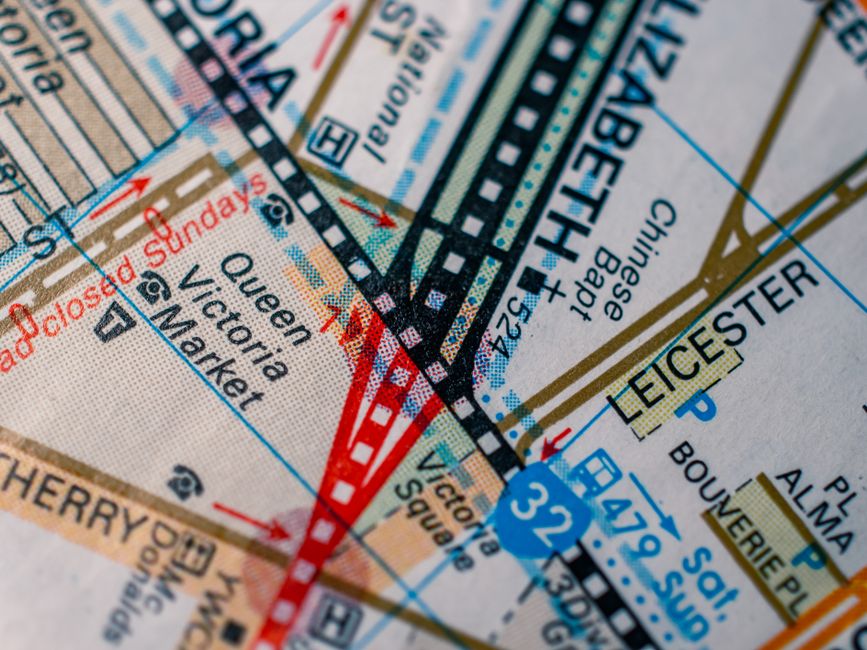
Your first morning in Vancouver should give you three wins: learn one useful trip, eat somewhere memorable, and choose the three admin tasks that matter this week. That small sequence turns an unfamiliar city into somewhere you can begin to navigate.
In April 1970, Apollo 13 was losing oxygen after an oxygen tank exploded. Flight director Gene Kranz and the teams in Houston faced connected problems: power, water, carbon dioxide, navigation, and the crew’s route home. NASA’s history of the mission documents how each decision affected what remained possible.
A move abroad carries far lower stakes, but the planning lesson holds. When everything feels urgent, identify the tasks that protect your next steps. Then give yourself one manageable way to start living in the place you worked so hard to reach.
Read the map until one journey makes sense
Open the TransLink map over breakfast or at your temporary accommodation. Resist the urge to understand the whole network. Find where you are, find Granville Island, and trace one workable journey between them.
Check the direction of travel, where you may need to change, and how you will handle the final walk. Save the route for offline access or write the important details in a note. Your phone may lose signal, run low on power, or become harder to read when you are standing at an unfamiliar stop with people moving around you.
This first route is a rehearsal. You are learning how Vancouver presents directions, how long transfers feel, and which landmarks help you stay oriented. Once you have completed one trip, the transit map stops looking like a diagram for somebody else’s city.
Leave room for a wrong turn. If you emerge on the opposite side of a street or walk a block too far, you have still learned something useful. The aim is familiarity, not a flawless performance.
If you want another example of turning an unfamiliar route into something repeatable, read How Can One Auckland Errand Turn an Unknown Bus Route Into a Repeatable Journey?.
Make Granville Island your first local reference point
Granville Island Public Market gives the morning a clear destination. Walk through before choosing breakfast. Notice what people carry, where they pause, and which foods need no explanation.
Buy something you genuinely want, then sit down long enough to look around. A first meal in a new city does useful work. It creates a place you can recognize later and a simple answer when somebody asks what you have seen so far.
Save the market on your map. Add one practical note, such as the entrance you used or a nearby landmark that helped you find your way back. These tiny details become your personal layer over the city’s official map.
This is also a good moment to separate exploring from spending without thinking. Check the price before ordering, keep the receipt if you are tracking relocation costs, and avoid turning one celebratory morning into a verdict on your new monthly budget. Arrival weeks contain one-off expenses that can make normal life look more expensive than it will be.
When you leave, pause before opening directions. See whether you can identify the first part of the return journey yourself. Recognition is a quiet win, and it arrives sooner than feeling fully settled.
Choose the three admin tasks that unlock the week
Back at your accommodation, collect every open task in one place. Include the residence permit, local registration, banking, mobile service, health coverage, university or employer requirements, housing documents, and anything with an expiry date.
Now choose three. Prioritize tasks that have a confirmed deadline, require an appointment, or unlock another necessary step. Check current instructions from the responsible official source before acting, because requirements and office procedures can change.
A practical first-week list might include:
- Confirm the next required step for your immigration or residence status.
- Book or prepare for the most time-sensitive registration appointment.
- Create one document folder with copies, reference numbers, and expiry dates.
Your actual three may differ. A student could need to complete a university requirement first. Someone starting work may need documents for payroll. A digital nomad might need to confirm what their current status permits before arranging longer-term services.
Write the next physical action beside each task. “Residence permit” is a worry. “Check the official instructions and list the required documents” is something you can do.
If your papers are already spread across email, cloud storage, and luggage, A Vancouver newcomer’s scattered documents. Every errand starts with a search. offers a useful way to bring them together.
Protect the week by doing less today
Apollo 13’s teams could not treat every problem as an isolated emergency. Gene Kranz and the flight controllers had to preserve the sequence that kept later options open. Your first-week checklist benefits from the same discipline: protect deadlines, handle dependencies, and leave lower-impact errands for later.
Stop after choosing your three admin tasks. You do not need to complete your entire relocation before dinner.
Tomorrow, repeat the pattern with one new route, one local place, and the next clear action on your list. For today, save your Granville Island route, photograph or file your breakfast receipt, and put the first admin task where you will see it in the morning.