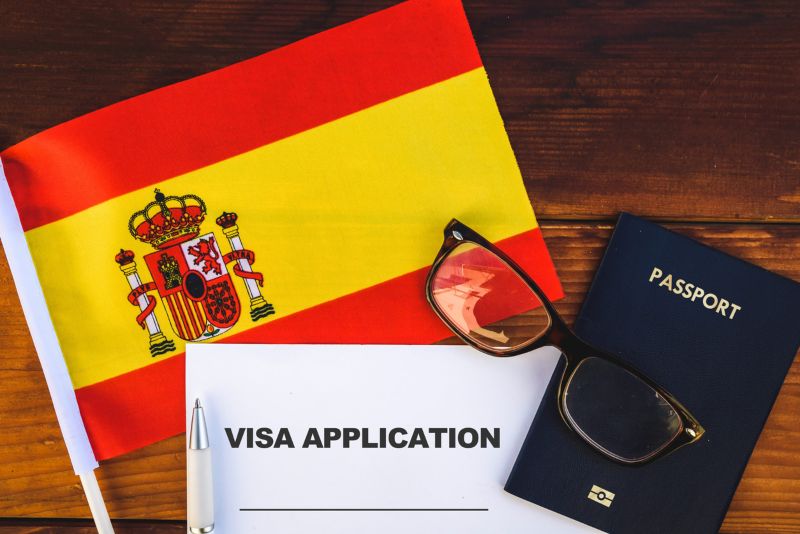
Your first win on a Vancouver arrival morning should be one clearly labelled file containing the documents and details you will need most. Build it before starting any errands, so your passport scan, study permit, lease and mobile information travel together.
In 2008, surgical teams testing the World Health Organization’s Surgical Safety Checklist faced a similar organizational problem at far higher stakes. Essential information existed, but it could be scattered across records, routines and individual team members when an operation began.
The checklist gave teams one short, shared sequence for confirming critical details before proceeding. Alex B. Haynes and colleagues later reported the results from eight hospitals in the New England Journal of Medicine. Complications and deaths declined after the checklist was introduced.
The lesson was not that professionals lacked knowledge. The checklist made the right information visible at the moment it mattered.
Why scattered documents make a simple morning harder
Imagine opening your laptop in Vancouver with one straightforward aim: complete the next useful arrival task.
Your passport scan sits in a downloads folder. The study permit is attached to an old email. A lease PDF is under a filename chosen by the landlord. Your mobile account details are saved in a screenshot, although you cannot remember which photo album contains it.
Nothing is necessarily missing. Yet every errand begins with a search.
That search creates friction at exactly the wrong time. You may already be adjusting to a new time zone, learning the shape of your neighbourhood and deciding which purchases can wait. A request for proof of address or identification can suddenly send you back through email threads and cloud storage.
The first task should therefore happen before the first queue: gather your essential arrival information into one clearly labelled place.
Call it something obvious, such as “Vancouver arrival documents.” Clever folder names become puzzles when you are tired.
What belongs in your arrival file
Start with the four items already competing for your attention:
- Add a readable passport scan.
- Save your study permit in the same place.
- Include the current version of your lease.
- Record the mobile details you may need to access or manage your account.
Use filenames you can understand at a glance. “Passport scan” is more useful than a string of numbers. “Lease, current” is easier to trust than three files called “final,” “final2” and “latest-final.”
Keep the file focused. It is an arrival kit, not an archive of your entire life. University brochures, restaurant lists and photos from the flight can live elsewhere.
You can also add a short note identifying what each document is for, when it expires and where the original is stored. Only record sensitive information when you can protect it appropriately. Avoid placing passwords, recovery codes or full payment details in an ordinary note.
For expiry dates, use reminders rather than relying on memory. The practical approach in managing three expiry dates is to separate what needs attention now from what needs monitoring later.
Turn the file into a usable sequence
A folder becomes useful when it supports a clear next action.
Before leaving your accommodation, open every file once. Check that scans are readable, pages are complete and names make sense. If you expect to lose internet access, keep an approved offline copy available on a device you control. The point is to discover access problems while you still have time and Wi-Fi to fix them.
Then choose one errand.
That may be confirming something with your school, dealing with housing paperwork or handling a basic arrival need. Requirements can change, so check the current instructions from the relevant institution before deciding which documents to bring. A tidy folder helps you respond; it does not replace official guidance.
This is where a relocation plan starts to feel manageable. You are no longer treating every unfinished task as equally urgent. You have one prepared set of information and one next step.
Canada’s official newcomer guidance uses the same broad logic by separating settlement into areas such as pre-arrival preparation, identification, housing, health care, education and community connections. Categories help because “settle in Canada” is too large to act on before breakfast. “Prepare the documents for today’s task” is small enough to finish.
Make organization your first completed task
The WHO checklist worked because it placed critical checks into a shared sequence before the team moved ahead. Your Vancouver arrival file follows that mechanism on a smaller, everyday scale: bring the information together first, then act.
Once the file is ready, mark it complete. That visible win matters. You have replaced four searches with one reliable starting point, and the rest of the morning no longer needs to carry the full weight of “moving abroad.”
Close the unrelated tabs. Put the original documents somewhere safe. Open the arrival file, confirm today’s requirement from its official source and leave for one errand with the right information already in hand.