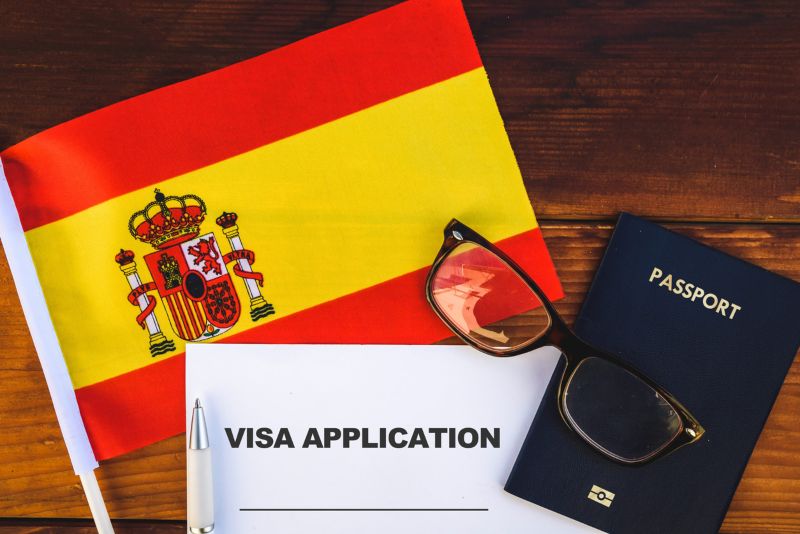

A national D visa approval gives you permission to approach a long-stay move under the conditions recorded by the issuing country. Before booking travel or making plans beyond that route, read the visa sticker, confirm the country’s current arrival and residence instructions, and keep work, study, family and second-country decisions separate until the responsible authority confirms them.
Start with the issuing country and the visa record
Begin with the country that issued the visa. A national D visa is issued under that country’s national rules, even when the country is part of the Schengen area. The approval letter, visa sticker and instructions from the consulate or immigration authority should be treated as the controlling record for your immediate plan.
Create a secure copy of every document connected to the decision. Keep the original passport with the visa, the approval notice, application correspondence, insurance evidence if requested, accommodation evidence, financial documents and any route-specific certificates together in your hand luggage. Store encrypted digital copies somewhere you can access without relying on your checked baggage or a single phone.
Read each field on the visa carefully:
- Confirm your full name, passport number and date of birth.
- Check the visa type and any stated purpose, such as work, study, family reunion or another national route.
- Record the “from” and “until” dates.
- Check the number of entries and any duration or stay notation.
- Look for remarks or restrictions printed on the sticker.
- Compare the visa details with the passport you will use for travel.
Do not assume that an approval email overrides an error on the visa sticker. If a name, date, passport number or route appears incorrect, contact the issuing consulate or responsible authority before travelling. Ask for written confirmation when the answer affects your travel date, entry conditions or next residence step.
Write down the authority’s contact details before departure. Include the consulate that issued the visa, the national immigration office, the local registration office if one is identified, and your accommodation provider. Save the relevant webpages as PDFs or screenshots with the date you accessed them. Immigration instructions can change, and a dated record helps you distinguish the information you used when preparing from later updates.
Keep national D visas distinct from short stays
A national long-stay visa and a short-stay Schengen visa serve different purposes. Under EU rules, long-stay visas are issued by individual member states for stays exceeding three months, while short-stay rules generally concern visits of up to 90 days in any 180-day period within the relevant area. The precise effect of your D visa depends on the issuing country and the purpose recorded for it.
A D visa can allow you to enter the issuing country for the approved long-stay route. It does not automatically give you every residence, work or study right available under that country’s law. The visa may be the first stage of a process that requires a residence permit, registration, appointment or additional document after arrival.
The distinction matters when you plan travel. A long-stay visa from one country should not be treated as a general substitute for permission to live in another country. EU rules can allow some movement for short visits in other participating countries, subject to applicable conditions and permitted duration. That is different from moving your main residence, taking up work, enrolling in a course or joining family in another country.
Before leaving home, write two separate statements:
- “My approved long-stay route is in…”
- “My short visits outside that country will be assessed under…”
Then verify both statements against official guidance. This simple separation prevents a common planning error: treating permission to enter the issuing country for a long stay as permission to settle elsewhere.
Plan the journey without overreading the approval
Once the record is checked, plan the first trip around entry and arrival practicalities. The visa approval reduces one major uncertainty, but it does not answer every question an airline, border officer, landlord, employer, university or local authority may ask.
Check your passport’s remaining validity, the travel route, transit requirements and baggage rules. A transit country may have its own airport transit or entry requirements. Your final destination and every country where you change planes should be checked using official government or airline sources appropriate to your passport and itinerary.
Keep your critical documents in your personal cabin bag:
- Passport containing the valid visa.
- Approval notice and consulate correspondence.
- Proof of accommodation for the initial period.
- Address and contact details for the person or organisation receiving you.
- Evidence connected to the approved purpose, such as an admission letter or employment document, where relevant.
- Insurance, funds or onward-travel evidence if the authority or carrier requires it.
- Instructions for your first appointment, registration or permit application.
- Emergency contacts and copies of your documents.
Do not put the only copy of an essential document in checked luggage. Do not rely on a phone screenshot if the document may need to be inspected offline. A printed folder and an encrypted digital folder provide two practical backups.
Budget for the first month separately from the cost of the flight. Include temporary accommodation, local transport, food, a phone connection, deposits, document photographs, translation or certification if officially required, and possible administrative charges. The amount and payment method vary by country and route, so confirm fees with the responsible authority rather than relying on a relocation forum or an old social-media post.
Your first accommodation also affects your next administrative step. Some residence or municipal processes require an address, a tenancy document or proof from the property owner. Ask the authority what evidence is accepted before signing a long lease. A cheaper room that cannot provide the required address evidence may create a larger cost later.
Check the country’s next residence step
A D visa may have a limited validity window or may function as an entry document before a longer residence document is issued. The next step could involve applying for a residence permit, collecting a permit card, registering an address, attending an appointment, completing a medical process or reporting to a local authority. The route is country-specific.
Find the responsible authority from the issuing country’s official website or your visa instructions. Confirm:
- Whether you must apply after arrival.
- The deadline or validity period for that application, if stated.
- Whether an appointment is required.
- Which office handles your address.
- Which original documents and translations are accepted.
- Whether you must bring photographs, biometric data, proof of insurance or proof of funds.
- Whether the application can be started online.
- What happens if an appointment is unavailable before your visa or entry period ends.
- Whether leaving the country while the next application is pending affects your status.
Record the answers in a dated checklist. Separate confirmed instructions from items still awaiting a response. If the authority’s website and your consulate’s instructions differ, contact the responsible office and ask which instruction applies to your route.
Do not book an international trip that depends on receiving a residence card by a particular date unless the authority confirms the timing. Processing periods can vary. A visa approval does not guarantee that a later permit will be issued immediately, and an appointment confirmation is not always the same thing as a residence decision.
If you need to travel while your residence process is pending, ask specifically about re-entry, passport retention and evidence of pending status. This is a point where generic advice can cause serious trouble. The answer may depend on your nationality, visa validity, permit type and the documents issued by the country.
Treat work, study and family rights as route-specific
Your reason for applying matters. Work, study, family reunion, research, volunteering and other routes can carry different conditions. A D visa label or approval message may identify the purpose, but the full rights and restrictions may be explained in a separate decision document or national regulation.
For work, confirm the named employer, job, occupation, location, salary conditions and any requirement for an additional work authorisation. Ask what happens if the job changes, the employer withdraws the offer or employment ends. Do not assume that a visa connected to one employer can be used for a different job.
For study, confirm the institution, programme, attendance expectations and any limits on work during study. Check whether changing institutions or moving from study to employment requires a new application. Keep the admission letter and fee records available, but treat the immigration authority’s conditions as the decisive source.
For family members, check each person’s route separately. A partner or child may need their own visa, residence application, insurance, financial evidence or appointment. One person’s approval does not automatically establish another person’s right to enter or remain. If dependants will arrive later, confirm their timing and documents before booking their travel.
For remote work or digital nomad arrangements, avoid relying on the phrase “work from anywhere.” Confirm the visa’s permitted activity, the employer or client relationship, tax obligations, social-security position and any local registration requirements with the relevant authorities or qualified advisers. Immigration permission and tax permission are separate questions.
Keep a “confirmed” column and an “ask before acting” column in your checklist. This protects you from turning a plausible assumption into a costly decision.
Separate a second-country move from short travel
After receiving a national D visa, you may want to visit nearby countries or eventually move again. Plan these as two different decisions.
A short visit may be possible under the rules that apply to your nationality, destination and long-stay status. Check the permitted duration, entry conditions and whether your residence document or D visa must remain valid for the entire trip. Confirm whether multiple entries are allowed and whether your passport will be available if it is being held by an authority during a residence process.
A second-country move requires a separate assessment. You may need a new visa, residence permit, work authorisation, study admission, family route or proof of financial means. Your first country’s D visa does not automatically transfer your residence rights to the second country. Even where EU rules provide movement rights for certain long-stay residents, the conditions and limits must be checked against your status and intended activity.
Use official country guidance before making commitments such as:
- Signing a long-term lease in the second country.
- Accepting local employment.
- Registering as self-employed.
- Enrolling in a course.
- Moving dependants.
- Shipping household goods.
- Ending your first-country accommodation.
- Closing a bank account or insurance policy tied to your first residence.
The trade-off is simple. Early travel planning can be convenient, but treating a possible visit as a confirmed relocation route can leave you without the status needed for work, housing or registration. Keep your first-country arrival plan stable until the second country confirms its own requirements in writing.
For a route-specific example of separating visa conditions, finances, healthcare, housing and arrival tasks, see this moving to Perth checklist. The destination differs, but the planning discipline is useful: keep each decision attached to the authority that controls it.
Build a Day 0 and first-month plan
Your first day should have a short list that works even when you are tired, offline or unfamiliar with the city. Confirm how you will reach your accommodation, where your passport and documents will be stored, how you will access money, and who you will contact if the accommodation or transport plan fails.
Within the first few days, complete only the tasks that affect your legal status, safety and ability to function. These may include checking in with an authority, arranging a required appointment, confirming your address, buying a local SIM, setting up transport access and locating essential services. The exact order depends on the country and route.
Then divide the rest of the month into practical categories:
- Immigration and registration.
- Housing and utilities.
- Banking and payments.
- Healthcare and insurance.
- Work or study.
- Local transport.
- Community and daily life.
Attach a source or confirmation to every immigration task. Add the date you checked it and the office responsible. For ordinary settlement tasks, record the person, address, opening hours and documents needed. This prevents your checklist from becoming a loose collection of links that cannot guide you when you arrive.
Make one small milestone your immediate target. It could be confirming the residence appointment, saving the official local-registration instructions offline or preparing the document folder for your first office visit. A completed first task gives you a reliable starting point while the rest of the move remains unfamiliar.
Check the country’s next residence step
Turn this into a dated, route-specific task: record the authority that owns the requirement, the official page checked, the evidence available, and when it must be reconfirmed. Organising a record does not establish eligibility, approval, residence, or admission.
What to do next
Read your visa record line by line and write down the issuing country, purpose, validity dates, entry conditions and next residence step. Check each point against the issuing authority’s current instructions. Then create an Aqee local-settlement checklist with separate tasks for before departure, arrival day, the first week and the first month.
Keep short travel, residence rights, work or study conditions, family plans and any second-country move in separate sections. If an answer affects your legal status, obtain it from the responsible authority before you book, sign, start work or relocate again.
This is a preparation guide, not legal advice. National rules vary, and an official decision for your route takes priority over general information.
Sources and update note
This guide is based on the EUR-Lex text of Regulation (EU) No 265/2010 on long-stay visas, the European Commission EU Immigration Portal guidance for people already in the EU, and the European Commission guidance on applying for a Schengen visa. Check the issuing country’s current authority instructions before acting, because route-specific conditions and procedures can change.
Sources
- EUR-Lex, Regulation (EU) No 265/2010 on long-stay visas, checked 2026-09-25.
- European Commission, EU Immigration Portal: already in the EU, checked 2026-09-25.
- European Commission, movement during a long-term stay, checked 2026-09-25.
- European Commission, applying for a Schengen visa, checked 2026-09-25.
Related Aqee guide
Keep the practical follow-up in your wider move plan with Aqee’s immigration-paperwork guide.