
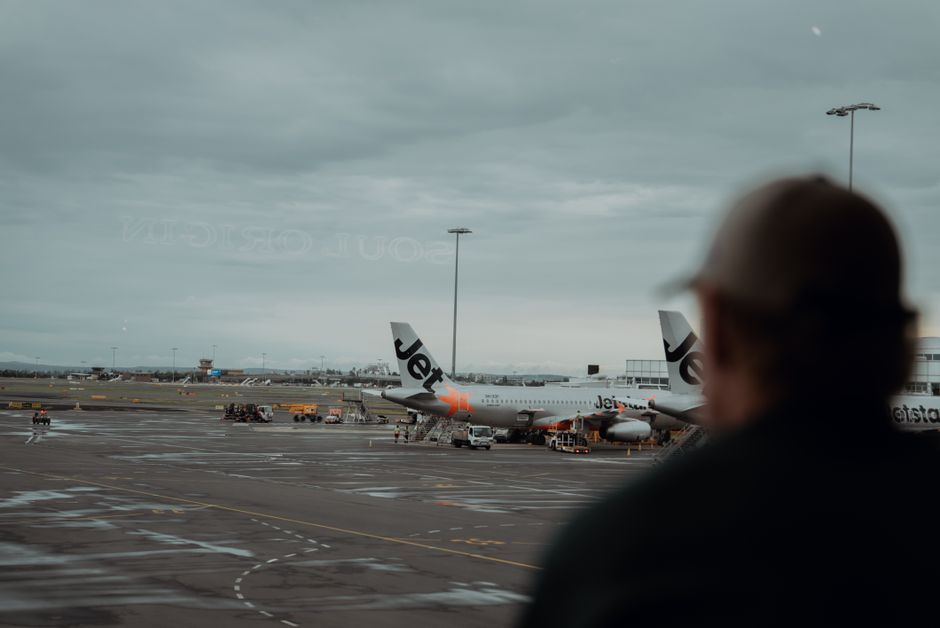
Sydney can be the destination, but your one-way flight should come after you identify the Australian visa route that matches the real purpose and duration of your stay. Use the Australian Department of Home Affairs visa guidance to check the route, verify any in-effect visa conditions through VEVO, and keep flights, housing, and work plans conditional until the official record supports them.
At 11:40 p.m. in a small apartment near Lisbon, Leila held her phone in one hand and a one-way flight search open on her laptop. The fare had already changed once. Her prospective room in Sydney was waiting for an answer, and a freelance client wanted to know when she could begin working from Australia.
Then she noticed that every plan depended on the same unanswered question: what was she actually going to Australia to do?
If she described the trip as a visit, her work plans might create a different issue. If she planned to study, a visitor route would not answer the full problem. If she had already applied for a visa, she still needed to know whether a visa was in effect and what conditions applied to it. Booking first would turn an unresolved immigration question into a flight, a deposit, and a work commitment that might be difficult to undo.
Leila closed the booking page and wrote three words at the top of a note: purpose, duration, conditions. That small pause gave her a better starting point than guessing from a flight search.
Start with the actual purpose and duration
Before comparing fares, describe your trip in plain language. Are you visiting Australia temporarily? Are you planning to work? Are you enrolling in a course? Are you joining family, attending an event, or combining more than one purpose?
Then state how long you expect to stay. A short visit and an open-ended move create different questions. “I am flying to Sydney” describes a destination. It does not describe the immigration purpose that needs to be supported.
Write a simple sentence such as:
“I plan to visit Australia for a temporary stay.”
Or:
“I plan to live in Australia while working under an authorised arrangement.”
Or:
“I plan to study in Australia for the duration of my course.”
These sentences are starting points, not visa answers. Your next step is to compare the purpose and duration with the official information from Home Affairs. The Department’s visa finder is the appropriate place to begin identifying possible visa options.
Avoid beginning with the flight date. A flight search encourages you to think in terms of arrival, price, and convenience before you have established whether the route fits your situation. The order matters because a one-way ticket can make a temporary plan look open-ended, while a fixed return ticket cannot solve a purpose or condition that does not match the visa.
Your notes should also include what you already know and what remains uncertain. For example:
- The country and city you intend to enter.
- The purpose of the trip.
- The expected duration.
- Whether work, study, or another activity is part of the plan.
- Whether you already hold a visa or have only started an application.
- Which official source you still need to check.
This is a practical preparation exercise. It does not replace immigration advice, and it does not determine your eligibility. It helps you ask the right question before money and commitments are involved.
Separate visiting from working or studying
A visitor plan and a work plan should be treated as separate questions, even when they are connected in your personal life.
You might want to spend time in Sydney while continuing a role for an overseas company. You might want to visit first and decide later whether to study. You might have been offered freelance work after arriving. Those details matter because the purpose you describe must remain consistent with the conditions attached to the visa you hold.
Home Affairs publishes guidance on work restrictions. Read that information alongside the details for the visa route you are considering. Do not treat a general assumption about remote work, overseas clients, casual work, or unpaid activity as confirmation that your intended activity is allowed.
A useful way to test your plan is to separate the activities into columns:
| Planned activity | Where it happens | When it begins | What official source confirms it? | |—|—|—|—| | Visiting friends or exploring Sydney | Australia | Arrival | Home Affairs visa guidance | | Working for an employer or client | Australia or elsewhere | During stay | Visa conditions and work guidance | | Studying or attending a course | Australia | Course start | Relevant visa information | | Looking for longer-term options | Australia | During stay | Official route guidance |
The table is for your own reasoning. It does not create permission. If you cannot complete the final column with an official source, mark the activity as unresolved.
This is where people often make an expensive planning error. They choose a visa route based on the activity that feels easiest to describe, then build the rest of the move around it. The safer sequence is to describe the full reality first, then check which official route addresses that reality.
Leila returned to her note the next morning. “Visit Sydney” was not enough to describe her plans. She also wanted to keep working for a client while abroad and was considering a course later in the year. She separated those possibilities instead of treating them as one vague relocation plan. The question became more precise: which activity was the purpose of this trip, and which activities required separate confirmation?
That distinction changed her next action. She stopped looking for a visa that sounded broadly convenient and started checking the official guidance against the activities she actually intended to undertake.
Check an in-effect visa’s conditions through VEVO
If you already hold an Australian visa, check whether it is in effect and review its details through the Department of Home Affairs’ VEVO visa details and conditions service.
VEVO is relevant to an in-effect visa. It can help you confirm the visa details and conditions recorded for your situation. Use the official service rather than relying on an old email, a screenshot, a memory of an earlier application, or a description copied from a discussion forum.
Read the record carefully. Pay attention to the visa status, the period it covers, and any conditions that affect the activities you plan to undertake. If your intended work, study, travel, or length of stay does not clearly fit what you see, pause the booking process.
Keep a record of what you checked and when. Save the official confirmation in a secure place, along with the application or grant information you already have. Do not treat the saved record as permanent proof that every future plan will be permitted. Circumstances can change, and a later decision or updated official record may matter.
If you have applied for a visa but do not yet have an in-effect visa, do not use VEVO as a substitute for an outcome. An application, an acknowledgement, and a visa grant are different things. Check your official account and the Department’s instructions for your situation. If the status or conditions remain unclear, ask Home Affairs or a qualified immigration adviser before making an irreversible commitment.
The same principle applies when someone else is helping with your move. A friend may say that a route “should be fine.” A recruiter may assume you can begin work after arrival. A landlord may ask for a move-in date. Those statements do not replace the official record.
Your personal checklist can include:
- Identify whether a visa is currently in effect.
- Check the visa details through VEVO where appropriate.
- Read the conditions connected to the visa.
- Compare those conditions with the exact activities you plan to undertake.
- Record unresolved questions before booking travel.
- Escalate uncertainty to Home Affairs or a qualified adviser.
For regulated immigration questions, careful preparation is valuable because it shows you where the uncertainty is. It does not turn an assumption into permission.
Keep flights and housing conditional on the official route
A one-way flight can feel like the moment a move becomes real. It may also create pressure to defend a plan that has not been verified.
Keep your flight date, accommodation, employment start date, and other commitments conditional until the official route supports them. That may mean asking a host to hold a room without a final commitment, choosing accommodation with flexible terms, or waiting before paying a deposit. The practical choice depends on your circumstances and the terms offered to you. The principle is simple: do not let a booking decide an immigration question.
A conditional plan might look like this:
“I will book the flight after I confirm the relevant visa route and check any in-effect visa conditions.”
“I will confirm the room after the travel plan and expected arrival date are supported by the official information.”
“I will agree a work start date only after I have checked that the intended activity is consistent with the applicable conditions.”
This can feel slower when an attractive fare or room is available. It can also protect you from stacking one uncertain decision on top of another. A non-refundable flight can lead to a rushed accommodation payment. A rushed accommodation payment can lead to a work start date. The original unanswered question becomes harder to revisit because every later commitment appears to depend on it.
Leila had one hour left before the room host needed an answer. The deposit would have been difficult to recover if her arrival date changed. Her client was also waiting for a firm start date, and the possibility of missing the flight had become real. If she booked immediately, she could lose money and arrive with a work arrangement that still had no official answer.
Her turn came from treating the plan as conditional. She sent the host a message asking whether the room could remain available while she confirmed her travel route. She told the client she would confirm a start date after checking the applicable conditions. Then she returned to Home Affairs guidance and listed the questions she could not answer herself.
The next morning, her plan was less dramatic but more usable. She had a route to verify, a room that had not yet become a sunk cost, and a work commitment that had not been presented as settled before the immigration question was resolved.
If your plan includes moving from a short visit into a longer stay, keep that possibility separate from the trip you are currently preparing. Do not assume that entering Australia creates an automatic path to another status. Check the relevant official information for the later route, and obtain advice if the answer depends on your personal circumstances.
Ask Home Affairs or a qualified adviser about an unresolved case
Some questions can be answered by reading the official guidance. Others depend on details that the general information cannot resolve for you.
Ask Home Affairs or a qualified immigration adviser when:
- Your intended purpose does not fit neatly into one route.
- You plan to combine visiting with work or study.
- You are unsure whether your visa is in effect.
- The conditions shown in the official record do not match your plan.
- Your application status, travel timing, or proposed activity is unclear.
- Someone else has given you advice that conflicts with the official information.
Prepare before asking. Write down your nationality if relevant to the question, your intended purpose, your expected duration, whether you hold an in-effect visa, and the exact activity you want to undertake. Keep your question narrow and factual. “Can I move to Sydney?” is less useful than “I intend to visit for a temporary stay and continue a specific work activity. Which official visa information and conditions should I check before booking?”
Do not hide an important part of the plan because it makes the question more complicated. If work or study is part of the reality, include it. The answer you need must fit the plan you will actually follow.
A qualified adviser can help with advice that depends on your circumstances. Home Affairs is the responsible authority for its own official processes and information. Use the source that matches the question, and keep a record of what you were told.
What to do next
Before you book a one-way flight to Sydney, create a short decision record:
- Write the actual purpose of the trip.
- State how long you expect to stay.
- Separate visiting from working and studying.
- Use Home Affairs visa guidance to identify the relevant route.
- If you already hold a visa, check its in-effect details and conditions through VEVO.
- Keep the flight, housing, and work start date conditional while a material question remains unresolved.
- Ask Home Affairs or a qualified adviser about anything the official record does not answer.
- Create an Aqee local-settlement checklist for the practical tasks that begin once your route and arrival plan are confirmed.
That checklist can hold the grounded parts of a move, such as the first address, essential services, local errands, arrival-day needs, and the small discoveries that make a new city feel less anonymous. Aqee is designed to guide the move from Day 0 toward feeling settled. The immigration route still needs to come from the responsible authority.
Leila eventually reopened the Sydney flight search, but the booking was no longer carrying the weight of every unanswered question. Her purpose was written down, her unresolved work question was visible, and her housing conversation remained flexible. The next item on her relocation plan was no longer “buy ticket.” It was “confirm the official route, then build the local checklist.”
Check an in-effect visa’s conditions through VEVO
Turn this into a dated, route-specific task: record the authority that owns the requirement, the official page checked, the evidence available, and when it must be reconfirmed. Organising a record does not establish eligibility, approval, residence, or admission.
Sources
- Australian Department of Home Affairs, explore visa options, checked 2026-09-24.
- Australian Department of Home Affairs, work restrictions, checked 2026-09-24.
- Australian Department of Home Affairs, VEVO visa details and conditions, checked 2026-09-24.
- Australian Department of Home Affairs, Visitor visa application form, checked 2026-09-24.
Related Aqee guide
Keep the practical follow-up in your wider move plan with Aqee’s immigration-paperwork guide.


