
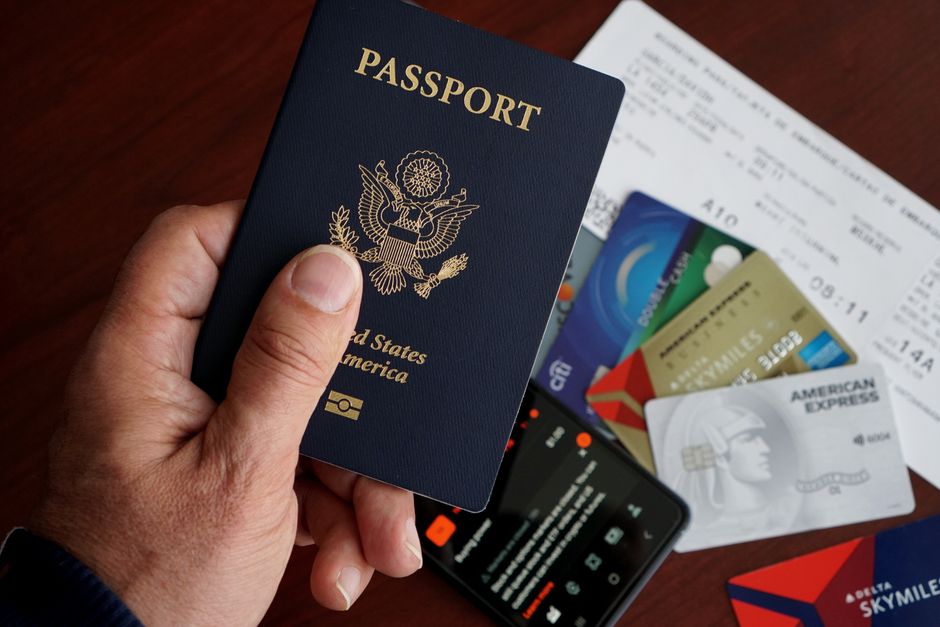
The short answer: book your official registration appointment before you do anything else. That single admin task clears the path for almost every other box you’ll need to tick, so it deserves to come before the sightseeing, the grocery run, and even before you unpack.
You’re barely off the tram, suitcase wheels still clicking over the cobblestones near the old town. The city looks exactly like the photos, better maybe, and every café you pass feels like a small dare to sit down and stay a while. But there’s a voice in your head that won’t let you enjoy it. It’s the one listing everything still undone: the permit, the apartment paperwork, the bank account, that document you’re pretty sure you need but can’t name.
One appointment that unlocks the rest
Here’s the thing about relocation admin. It’s not a to-do list, it’s a ladder. Some tasks only work once others are done, and a few stubborn tasks block everything above them. Your official registration, the one that ties your name to your new address, is the bottom rung. Until it’s done, a surprising number of other doors stay shut.
Think about what comes next in your first weeks. Opening a local bank account usually needs a registered address. Getting a phone contract gets easier with one. That residence permit renewal you’ll face later, it counts time from paperwork that references this moment. Every one of those tasks is smoother, or possible at all, when the registration is behind you.
When the map arrived before the route
There’s a story from 1965 that captures why this order matters. Two programmers, Tom Van Vleck and a colleague at MIT, were working on a time-sharing computer system, one of the first. A user had typed a simple command and the machine had failed in a way nobody understood. They dug into it and found something odd: the system’s scheduling program could shut itself down if it ever ran while “not logged in.” It was a small, overlooked condition, a corner case, in the code.
The two had even written a note in the source code, half-joking, half-serious, warning future programmers not to log out of the system. Because if you did, if you stepped away from that one guarded position, the whole machine could freeze. The fix itself was small, nearly anticlimactic. But the lesson stayed with Van Vleck for decades, which is why he later wrote about it in an essay called “Two Short Stories,” and it’s why that particular quirk became famous in programming circles.
Your registration appointment is your “not logged in” moment. Skip it, and a lot of the system around you stops responding the way it should. Get it sorted, and everything else runs a little closer to the way it’s supposed to.
Make the first move before the jet lag wins
Here’s the practical version. Give the address, if you have one in place, or the one you’ll be leaving soon, and find the local registration office. This is where Aqee earns its keep, it walks you through exactly which office handles your case and what to bring, so you’re not guessing your way through a website in a language you don’t fully speak yet.
The queue was long when the writer of this guide did it. Bring water and your patience. But it took less than an hour once the number was called, and the relief of walking out with it done carried through the rest of the week.
Some things can wait for the weekend. The castle on the hill won’t mind if you meet it on Saturday instead of Thursday. The first local flat white will taste just as good after a week or two. But the registration, that one meeting early keeps every other plan from stalling. Do it first, and let the city introduce itself to you at its own pace, with its one big task already behind you.
The corner case that makes the whole system run
Van Vleck’s story ends with a small irony. His note in the code, warning people not to log out, became one of the most-repeated artifacts in early computing history. People remember the warning more than they remember why it mattered. But the why is the point.
One small act, done early, at the right moment, stops the entire machine from grinding to a halt. Your first morning in a new city has its own corner case, its own thing that must be in place before the rest of the system will run. Find it, do it, and watch everything else fall into line.