
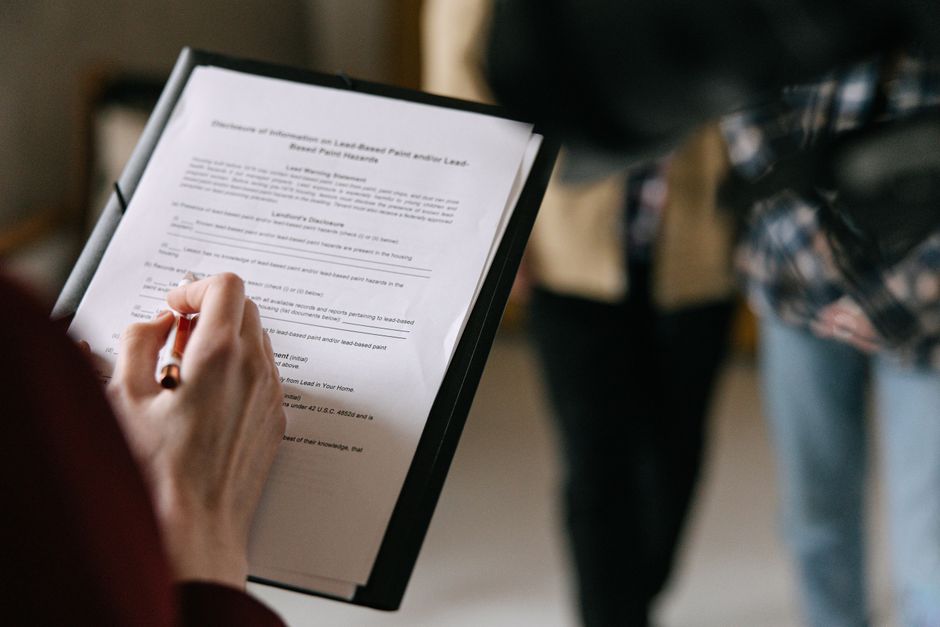
Confirm which documents from your lease can serve as proof of address before you start ticking off Johannesburg plans. A signed lease may help, but the details that matter depend on the request, so read the document closely and check the requirements for each service before you rely on it.
At 10:40 on a Saturday morning, Lindi sat on the edge of her bed in a new flat near Rosebank, holding her lease in one hand and her phone in the other. Her flatmate had sent a message about meeting at the rooftop market, and Lindi wanted to go. She had already saved a stall selling bright beaded earrings and picked the coffee she planned to order.
Then she reread the lease.
Her name appeared in an addendum, while the main agreement named only the tenant who had signed before she arrived. The address was there. The start date was there. But would it support the local proof-of-address requests she expected to make in the coming weeks?
The risk felt bigger than missing a Saturday out. If a service rejected her document, she could lose time she needed for the practical parts of settling in, then find herself chasing a new letter while classes and errands piled up. A city can wait for an afternoon. An address problem has a way of following you into every other task.
Treat your lease as a working document
A lease does more than tell you where you sleep. In a new country, it can become part of the paper trail you need for everyday requests. That makes the fine print worth reading before you file it away under “housing sorted.”
Look for the basics first: your full name, the complete address, the date the agreement begins, the signatures, and any page that clearly connects you to the property. If you joined an existing household, check whether the document names you directly or whether an addendum, landlord letter, or other written confirmation may be needed.
Keep the version you received when you moved in, plus any later changes. A photo buried in your camera roll is hard to find when you are standing at a counter or filling in a form. Save clear copies in one folder, and give the files names you will recognise under pressure, such as “Lease, current address” and “Landlord confirmation.”
The point is to know what you have before someone asks for it. You can then see the difference between a document that shows an address and one that clearly links that address to you.
For a related example of how a small mismatch can grow into a larger paperwork problem, read Ana’s lease mismatch. Her permit plans were at risk.
Check the request before you promise yourself it will work
“Proof of address” sounds like one simple category. In practice, each request may set its own rules. One may accept a lease; another may ask for a document with a particular name, date, or supporting detail.
Before you leave home, find the current requirements from the organisation handling the request. Read for the exact document types they accept, how recent the document must be, and whether they need an original, a copy, or an additional confirmation. If the wording is unclear, ask directly before you build a day around the task.
This is where a short checklist earns its place. Write down the request, the document you plan to use, and the one question you need answered. For Lindi, the question was simple: does an addendum bearing her name meet this specific proof-of-address requirement, or does she need written confirmation from the landlord?
She sent the question before heading out. The reply did not turn the paperwork into a mystery she could solve later. It gave her a next step: ask for a letter that named her, the property, and her move-in date.
That letter became the difference between hoping her lease would be enough and arriving prepared.
Put the address task before the city plans, then enjoy both
There is no prize for spending your first months abroad indoors, carefully guarding a folder. Johannesburg deserves curiosity: a slow walk, a new lunch spot, a market you did not know existed until someone invited you.
The trick is to give admin a clear boundary. Pick one short block to confirm your address documents. Send the message. Gather the files. Make a note of what is still missing. Then close the folder for the day.
Lindi did exactly that. She asked for the landlord letter, saved the message confirming it was being prepared, and added a reminder to follow up. By the time she met her flatmate at the rooftop market, the lease had stopped buzzing at the back of her mind.
She could look at the stalls instead of refreshing her inbox. Small win, but a real one.
Build a folder that makes the next request easier
Your first proof-of-address request is rarely the last time someone will ask where you live. Set yourself up so the next one takes minutes, not an anxious search through old messages.
Keep a current folder with your lease, any address confirmation, identity documents, and a brief note on what each document has already supported. Update it when you move, renew, or change households. If your name appears differently across documents, flag that early and keep any explanation in writing.
A relocation checklist can hold the loose ends while you get on with living: confirm the document, request missing evidence, save the reply, then choose the next neighbourhood plan. Admin moves forward one step at a time. So does belonging.


