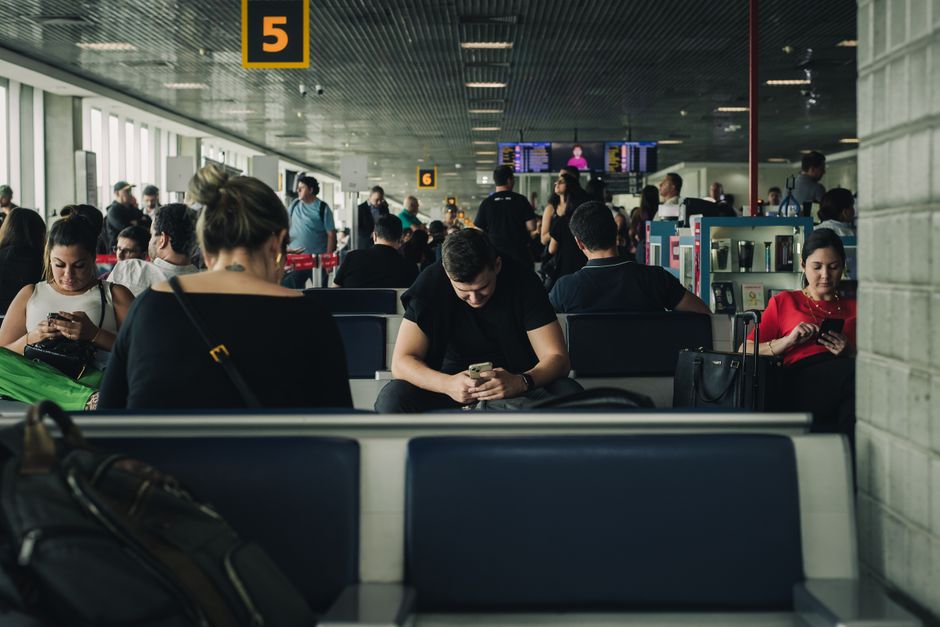
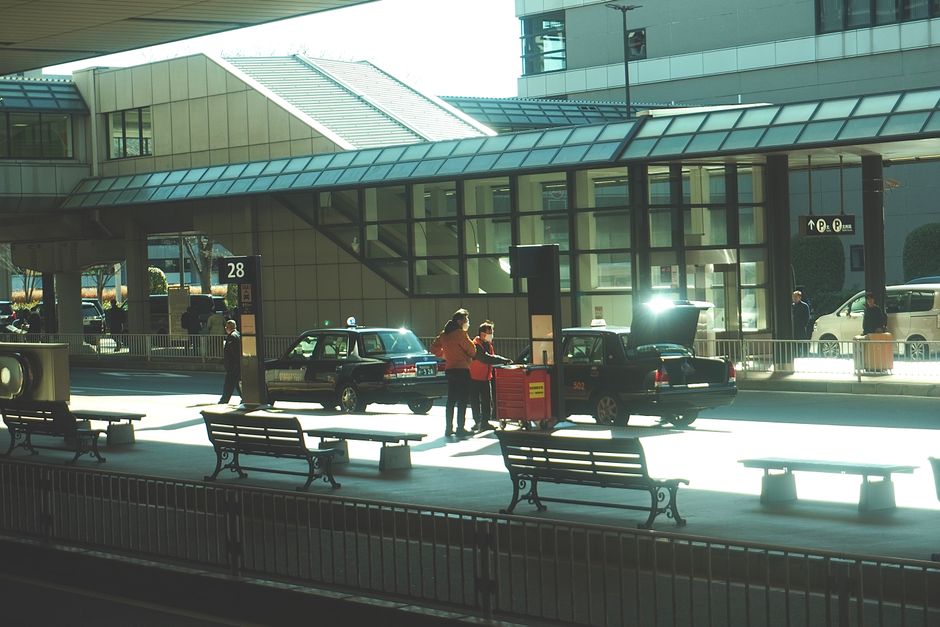
After midnight in Penang, focus on three things: get connected, take a traceable ride, and find a simple meal before sleeping. Save registration, banking, sightseeing, and every other relocation task for daylight.
In April 1970, Apollo 13 was far from Earth when an oxygen tank failed. Flight director Gene Kranz and the teams in Houston faced too many urgent problems at once: damaged systems, limited power, rising carbon dioxide, and a crew that still had to get home.
NASA’s history of the mission documents how the response depended on priorities. The team protected the immediate essentials first, then worked through the next problem. The larger rescue became possible because people kept deciding what mattered now and what could wait.
Your arrival in Penang carries far lower stakes, but the useful principle is the same. At 1 a.m., tired and carrying your life in two bags, you do not need to solve Malaysia. You need three completed missions and a bed.
Mission one: connect before leaving the terminal
Your phone is your map, ride receipt, hotel address, translation tool, and backup plan. Get it working while you are still inside Penang International Airport, where you have light, staff nearby, and somewhere to put your luggage down.
If you arranged an eSIM before flying, switch it on and confirm that mobile data loads a page. If you plan to buy a local SIM, check whether a staffed counter is available rather than assuming it will be open after midnight. Airport Wi-Fi may help you bridge the gap, but do not walk outside until you can access the information needed for your ride and accommodation.
Save these details where they remain available without a connection:
- Your accommodation’s full address
- The booking confirmation
- The host or reception contact
- A screenshot of the location pin
- Any check-in instructions, including the building entrance
That last item matters in George Town, where the booking address may lead you to the right block without showing the correct doorway. A location pin and entrance note can spare you a tired walk around an unfamiliar building. The same preparation helps in other large cities, as this guide to a Shanghai taxi arrival explains.
Before moving on, send one short message to the person expecting you: “Landed. Leaving the airport now.” It creates a timestamp and gives someone a simple signal to follow.
Mission one is complete when your phone works, your destination is saved offline, and someone knows you have arrived.
Mission two: choose a ride you can verify
After a long flight, the first available driver can feel like the best driver. Pause for thirty seconds.
Choose an official airport taxi service, a recognized ride-hailing service, or transport arranged by your accommodation. Confirm the destination and expected fare through the service before departure when possible. If a driver approaches you directly, do not let exhaustion make the decision on your behalf.
Check that the vehicle and driver match the booking details. Share the trip information with someone you trust. Keep your passport, phone, and wallet on your body instead of placing them in luggage that goes into the boot.
Then open the map and follow the journey toward George Town. You do not need to challenge every turn. You are checking that the trip is broadly heading toward your saved destination and that you can identify where you are.
There is also a small but important arrival question: can you enter the building?
Late check-in can involve a reception desk, a host meeting you, a key box, or written access instructions. Review the arrangement before the car leaves the airport. If anything is unclear, contact the accommodation while you still have time to resolve it.
Mission two ends inside the correct building, with your luggage beside you and the door secured.
Mission three: eat the easiest reliable meal
Penang has earned its reputation as a place worth eating through slowly. Your first meal after midnight does not need to prove anything.
Ask reception or your host what is currently open nearby. Use a delivery service if one is available and you are comfortable receiving an order at the building. A convenience shop can also cover the essentials: water, something filling, and a small breakfast for the morning.
Choose food your exhausted stomach already understands. A long flight, unfamiliar ingredients, and ambitious spice levels make a poor first-night experiment. Save the proper George Town food walk for a time when you can notice where you are.
Drink water. Eat enough to sleep. Put tomorrow’s essentials in one place: passport, charger, accommodation details, and any document you may need first. If paperwork is waiting, use three simple groups for the morning: needed first, needed later, and backup copies. The same idea is explored in this first-morning document guide.
Stop after the third win
The temptation to keep going will arrive as soon as the Wi-Fi connects. You could research residence permits, compare bank accounts, plan a week of meals, and read twenty opinions about neighborhoods.
Close the tabs.
NASA’s Apollo 13 teams could not address every danger with one grand solution. They moved through the problems in the order survival required. Your first night follows a gentler version of that discipline: connection, verified transport, food, sleep.
Tomorrow, Penang can become a city to explore. Tonight, three checked boxes are enough.