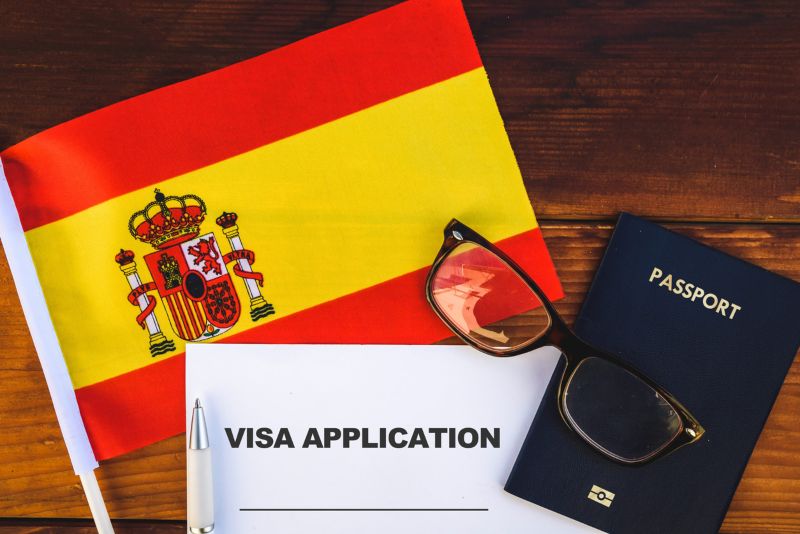
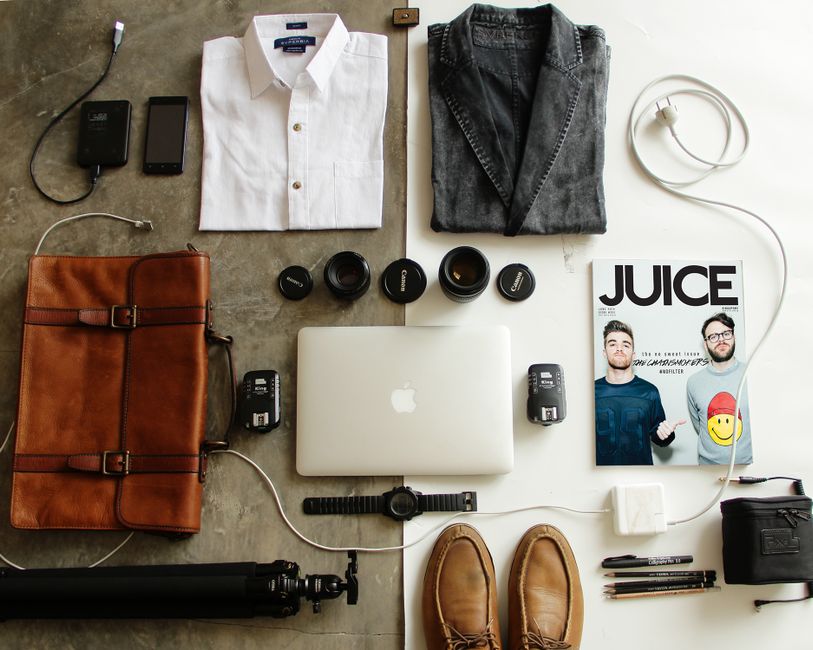
Your checked bag may disappear, but tomorrow’s paperwork does not have to disappear with it. Pack one cabin-sized Day 0 box with the documents, medication, chargers, and first-night essentials you cannot easily replace.
In April 1970, Apollo 13’s carbon dioxide level was rising. The spacecraft had square lithium hydroxide canisters, but the lunar module’s system used round openings. The crew needed a working connection using only materials already aboard.
NASA engineer Ed Smylie and his team developed an adapter from items available in the spacecraft, including plastic bags, cardboard, a sock, and duct tape. Mission Control then guided astronauts Jim Lovell, Jack Swigert, and Fred Haise through the assembly. The account appears in Lovell and Jeffrey Kluger’s book Lost Moon and in NASA’s Apollo 13 history.
The stakes of a missing suitcase in Vancouver are far smaller. The useful principle is the same: when the planned system fails, the materials already within reach determine what you can do next.
Your Day 0 box is that material set.
Pack for the failure you can still control
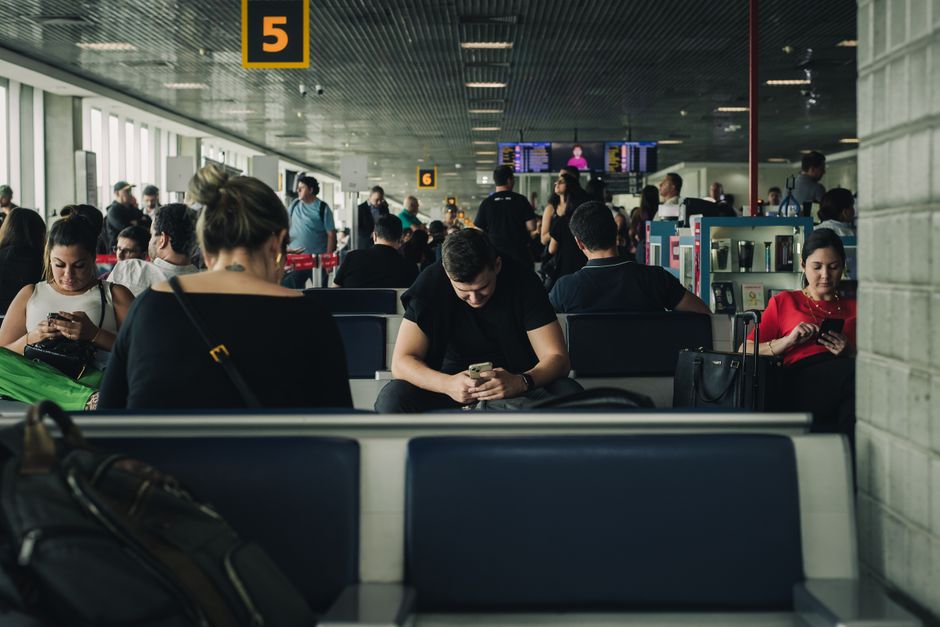
Picture the carousel slowing after a late arrival. A few bags remain. Yours does not.
You are tired, your phone battery is low, and the baggage desk needs information from your booking. Tomorrow may involve checking into longer-term accommodation, presenting identity documents, contacting your school or employer, or starting local paperwork.
If your passport, supporting documents, medication, and only charger are inside the missing bag, one luggage problem begins blocking unrelated tasks. If those essentials are beside you, the problem stays contained. You can report the bag, reach your first-night address, sleep, and continue with the tasks that matter.
Pack the Day 0 box as cabin baggage, subject to your airline’s current size, weight, liquid, and medication rules. Think of it as a compact operating kit for the period between landing and recovering your checked luggage.
Include:
- Your passport and any documents needed for entry.
- Printed and offline copies of your first-night address, booking details, and important contacts.
- Documents you expect to need during your first appointments, carried according to the relevant authority’s requirements.
- Essential medication, plus the supporting paperwork required for travel.
- Your phone charger, a suitable power adapter, and a charged power bank if permitted.
- One change of clothes and basic toiletries that comply with cabin-baggage rules.
- A payment method stored separately from your main wallet.
- The checked-bag receipt and a photo of the bag.
Keep sensitive documents together in a simple folder that stays with you. Store encrypted digital copies separately, but do not assume a phone copy will replace an original when an authority asks to see one.
Protect tomorrow’s sequence
A useful Day 0 box protects dependencies, not comfort alone.
A clean shirt helps after a long journey. Your passport, arrival documents, address details, and charger protect the chain of tasks waiting the next morning. One document may support another step. An address may be needed when arranging a local service. A working phone may be necessary to receive messages, navigate, or confirm an appointment.
This is why packing by category can fail. “Clothes, toiletries, electronics, documents” sounds organized, yet it does not reveal which items keep tomorrow moving.
Pack by consequence instead. Ask: “If my checked bag takes longer to arrive, what could stop me from entering my accommodation, taking essential medication, proving who I am, or completing the next required task?”
That question also helps when everything feels urgent after landing. The same dependency-first approach appears in What Should You Do First When 14 Arrival Tasks Feel Urgent in Vancouver?.
Build the box before travel day
Start with the items that would be hardest to replace abroad. Put them on a table before packing anything else.
Check every document against the latest instructions from the relevant airline, school, employer, insurer, accommodation provider, and immigration authority. Confirm names, dates, and validity. Do not rely on an old checklist or a screenshot from a forum.
Next, make the kit usable under mild chaos. Save your address in the local script when relevant. Download the route to your accommodation for offline access. Add an emergency contact on paper. Photograph the outside of your checked bag, including any distinctive marks, and keep its receipt in your cabin bag.
Then test the box. Can you lift it comfortably? Can you reach your passport without unpacking everything? Does your charger work with the adapter you packed? Are critical papers protected from a leaking toiletry bottle?
Aqee frames relocation from Day 0 onward as a guided sequence, helping you see the next useful step without treating the whole move as one enormous task. The Day 0 box follows that same logic: protect the small set of items that keeps the next step possible.
Keep the setback in one lane
Ed Smylie’s team could not send new equipment to Apollo 13. They worked with what the crew already had, and the improvised adapter helped bring carbon dioxide under control.
Before your own departure, place the Day 0 box beside the door, then check it once against tomorrow’s first three tasks. If the carousel stops without your suitcase, you will still have the documents, power, medication, and address information needed to move forward.
The bag can be delayed. Your first morning does not have to be.