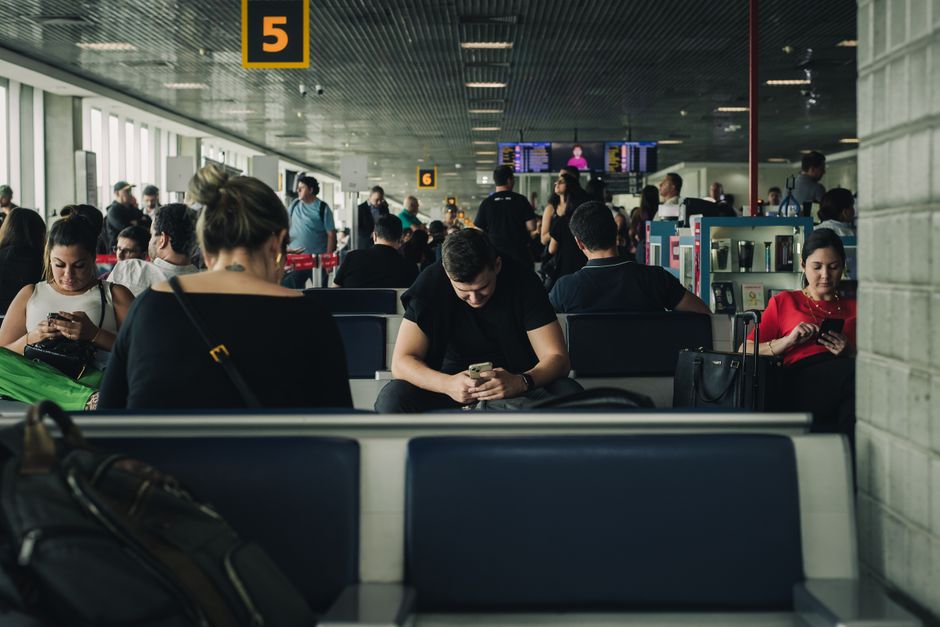

At Changi Airport, confirm your route to your exact address before tackling the rest of your relocation checklist. One clear destination, a suitable way to reach it, and a saved backup plan will make every later task easier.
In April 1970, Apollo 13 was losing oxygen after an onboard tank exploded. The planned Moon landing disappeared from the agenda. Flight director Gene Kranz and the teams in Mission Control focused on the immediate problem: keeping astronauts Jim Lovell, Jack Swigert, and Fred Haise alive long enough to return home.
One danger demanded special attention. Carbon dioxide was building inside the lunar module, which the crew was using as a lifeboat. The available filters did not fit its system, so NASA engineers had to devise an adapter from materials already aboard the spacecraft. The episode is documented in Lovell and Jeffrey Kluger’s book Lost Moon and in NASA’s Apollo 13 history.
The mission still contained hundreds of problems. Mission Control did not pretend they all carried equal weight at the same moment.
Your arrival at Changi is far safer and less dramatic, of course. The useful parallel is priority: when your energy and attention are limited, solve the task that gives every other task a stable starting point.
Make the address your first fixed point
Picture yourself beside the baggage belt after a long flight. Your phone holds a visa checklist, messages from your landlord, reminders about a local SIM, a banking note, a grocery list, and a folder of documents. Each item feels urgent because each belongs to your new life.
Leave five of them alone for a moment.
First, confirm where you are sleeping and how you will get there. Check the complete address, including the building name, unit details, and any entrance instructions your host or accommodation provided. Save it somewhere you can reach if your connection becomes unreliable. A screenshot and a written copy take little effort and remove a surprisingly large source of arrival stress.
Then choose the route that fits your condition, luggage, arrival time, and budget. The fastest option on a map may be awkward with two heavy suitcases. The cheapest option may involve changes you do not want to navigate while exhausted. Pick the route you can complete calmly.
If someone is meeting you, confirm the meeting point before leaving the baggage area. “At the airport” leaves too much room for confusion in a large terminal.
Give the route a backup
A plan becomes useful when it survives one small failure.
Save the destination in a format you can show another person. Keep the accommodation’s contact details beside it. Note a second transport option in case your first choice is unavailable, delayed, or harder to find than expected.
You do not need to research every possible route. Too many options turn a simple decision into another project. Choose one primary route and one backup, then stop.
This is also the moment to check that you can pay for the journey. Use a payment method you already understand, and keep an alternative available where practical. Avoid making your first tired decision dependent on opening an account, buying the perfect mobile plan, or comparing every travel pass.
The same principle applies when arriving elsewhere. A Chinese address and entrance pin can matter more than another hour of general research, as explored in Shanghai Taxi Arrival: Why a Chinese Address and Entrance Pin Matter. The useful detail changes by city. The priority does not: reach the correct door first.
Put the other five tasks in a queue
Once the route is confirmed, your remaining tasks stop competing for first place.
You can arrange them in the order they become possible. A local SIM may help tomorrow. Groceries matter after you know what is near your accommodation. Banking and registration often require documents, addresses, or appointments. Messages can wait until you are seated somewhere with your bags beside you.
Aqee’s guided relocation journey is built around this kind of sequencing. Instead of facing one giant “move abroad” project, you work through the next useful step, keep document reminders visible, and build progress from Day 0 onward.
That matters because arrival fatigue makes every unchecked box look equally important. It is not. A checklist should reduce decisions, not display twenty demands at once.
If your mind keeps returning to permits, renewals, or upcoming appointments, capture the thought without starting the task. Add the reminder, save the document, and return to the route. You are protecting attention, not ignoring responsibility.
Finish one arrival before starting the next
Apollo 13 returned safely because teams handled urgent problems in a deliberate order. The improvised carbon dioxide filter became one of the mission’s defining fixes because it addressed the danger in front of them with the materials they had.
Your Changi arrival has its own smaller version of that discipline. Confirm the address. Save the route. Keep one backup. Then collect your bag and move.
The city can wait a little longer. Your first win is reaching the right door with your luggage, documents, and energy still together.