Save your Belgrade address in both Latin and Cyrillic scripts before you leave your accommodation on the first morning. Keep both versions in a pinned note and an offline screenshot, so a taxi driver can read the address even when your phone has no signal and your pronunciation disappears under jet lag.
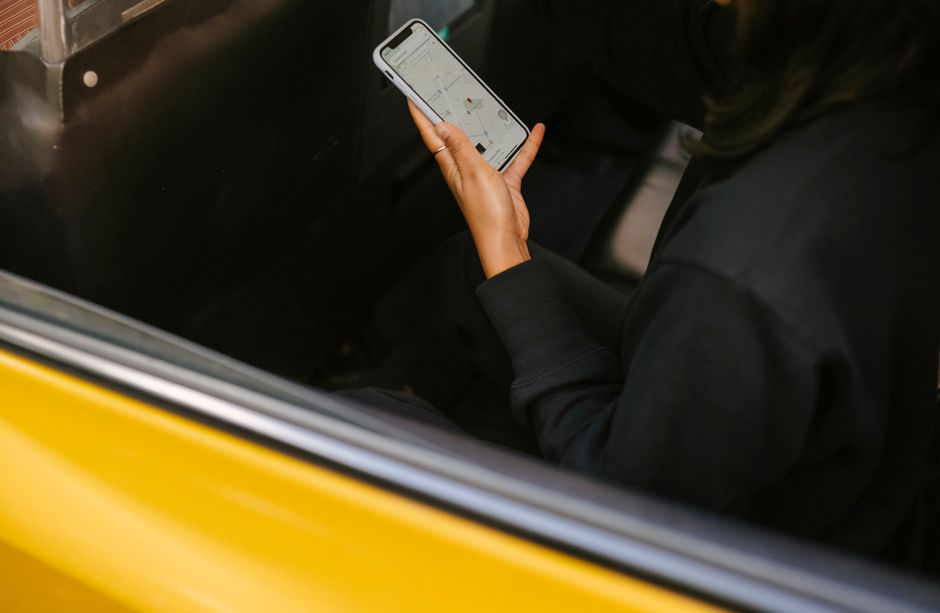
At 7:40 a.m., Mila, an invented composite of a graduate student arriving for her first semester, stood beside a bakery in central Belgrade with a paper coffee cup and 8% battery. She had left her apartment to buy breakfast, followed two interesting side streets, and then discovered that her map would not reload.
Her booking confirmation showed the street in Latin script. The nearby street signs were in Cyrillic. When Mila tried saying the address to a taxi driver, he heard a different street name and pointed toward the wrong part of the city.
Her passport and laptop were still in the apartment. If she could not identify the correct street, she could miss the registration appointment she planned to attend that morning. More urgently, she had no reliable way to get home.
Then she found a message from her host sent the night before. It included the full address in Cyrillic. Mila held up the screen, the driver nodded, and the pronunciation test was over.
Why two scripts make one address easier to use
Serbian uses both Cyrillic and Latin scripts. You may see either one on maps, messages, storefronts, or street signs, and the spelling displayed by one service may differ from the version saved in your booking.
That does not mean you need to learn a new alphabet before breakfast. Your first job is smaller: make your own address recognizable in either script.
Ask your host, landlord, hotel, or residence staff to send the full address exactly as a local would write it in Cyrillic and Latin. Save each version without “correcting” the spelling yourself. A small change that looks harmless can turn one place into another, especially when you are tired and working from memory.
Include:
- The street name and building number.
- The apartment, floor, or entrance detail, if needed.
- The neighborhood or municipality, if your host uses it to distinguish the location.
- The host or accommodation name, if it helps identify the building.
Keep the two versions together. Label them “Latin” and “Cyrillic” for your own reference, then add one map pin beneath them.
Build a backup that survives a difficult morning
A saved address only helps when you can open it. Roaming may fail, public Wi-Fi may require a login, and a nearly empty battery can turn a simple trip home into a scavenger hunt.
Use three layers:
- Pin the address in your notes or messaging app.
- Take a screenshot that includes both scripts and the map pin.
- Write the address on a small piece of paper and keep it behind your bank card or inside your passport holder.
The paper copy can feel excessive at your kitchen table. It feels wonderfully sensible on a rainy corner when your screen will not switch on.
If you are staying in a building with several entrances, photograph the correct doorway from across the street. Include something visually stable, such as the building number or a neighboring storefront, while avoiding temporary details like a parked car. This is the same practical principle behind confirming the right building entrance after landing: the final few metres often need more preparation than the journey across countries.
Mila added one more detail after getting back. She photographed the dark green entrance door and the number above it. Later that week, she returned after dinner without circling the block or trying three similar doors.
Show the address instead of performing it
You will probably learn how to say your street name. Morning one is a poor time to depend on that skill.
When speaking with a taxi driver, delivery courier, or helpful passerby, show the saved Cyrillic version first. Keep the Latin version ready in case their map or keyboard uses it. Let the written address carry the conversation, then confirm the map pin before moving.
Avoid handing over an unlocked phone. Hold the screen yourself, enlarge the address, and keep personal messages or documents out of view. If someone enters the destination into another device, compare the pin with your saved location.
Also check that the building number remains attached to the street name when you copy and paste. A pin placed in the middle of a long street may still leave you with an uncomfortable walk and no idea which direction to take.
Make this your first Belgrade win
Before registration, banking, residence permit tasks, or the first supermarket expedition, complete one tiny relocation task: make home findable.
Open a note and add:
Latin address: Cyrillic address: Building and entrance detail: Host or residence contact: Offline map pin:
Then screenshot it, write the Cyrillic version on paper, and step outside.
Mila’s second morning began at the same bakery. This time, her phone stayed in her pocket as she walked back. She recognized the green door, checked the number above it, and went upstairs with warm bread instead of a rising knot in her stomach.