
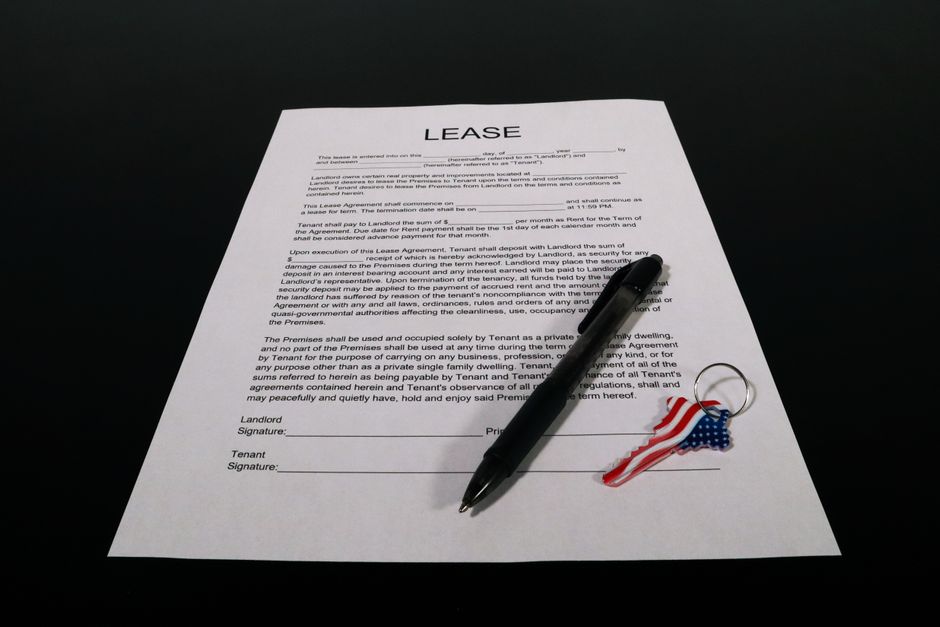
Before relying on a Melbourne lease as proof of address, check that it shows your full legal name and the complete address of the rented property. If either detail is missing, abbreviated incorrectly, or inconsistent with your identity documents, ask for a corrected copy before joining another queue.
In 1999, NASA’s Mars Climate Orbiter reached Mars with a hidden mismatch in its navigation data. One part of the ground software produced measurements in pound-seconds, while another expected newton-seconds. The spacecraft entered the atmosphere far lower than planned, and contact was lost.
The difference looked small on paper. It was decisive in practice.
The incident is documented in NASA’s Mars Climate Orbiter Mishap Investigation Board Phase I Report, led by board chair Arthur Stephenson. Its findings focused on the failed handling and verification of critical information between teams.
A Melbourne lease can fail in a much less dramatic way, but the mechanism is familiar. A document exists. Everyone assumes it is usable. Then, at the point where another person or system must rely on it, one unchecked field becomes the problem.
The queue before the queue
Picture your first Monday in Melbourne. You have an appointment, a folder of documents, and the cautious optimism that comes from arriving early. Before you leave, Aqee’s Day 0 check asks you to open your lease and confirm two details: your full legal name and the complete address of the property.
That quick check catches a problem. Perhaps the lease uses only your first name and surname while your passport includes additional names. Perhaps the address is incomplete, showing the street but omitting the unit. Perhaps the document is a draft that never received the final tenant details.
Without the check, you might discover the issue only after reaching the counter, uploading the file, or waiting for someone to review it. You would still have a lease, but you might not have acceptable evidence for the task in front of you.
Address proof often sits inside a chain of other tasks. A rejected document can interrupt whatever depends on it next, leaving you to contact the property manager, request a correction, save the new version, and try again.
That is why Day 0 matters. It gives you a moment to inspect the document before the document has to perform.
Check the evidence, not the filename
A file called `final_lease.pdf` feels reassuring. The name proves nothing about what appears inside it.
Open the document and compare its details directly with your passport or other identity record. Check every part of your name, including middle names when they appear on your official documents. Confirm that the rented property’s address is complete and readable. Look for the final version rather than an unsigned draft, and make sure no page containing relevant tenant or property information is missing.
Then consider the task for which you plan to use it. Different organisations can request different forms of address evidence, and a lease may not be accepted everywhere. Check the current requirements with the organisation receiving the document before your appointment or upload.
This is a document-quality check, not legal advice. It cannot guarantee acceptance. It can catch obvious mismatches early, when fixing them usually involves a message rather than a second trip.
The same principle appears in The Address Proof Maya Didn’t Have, and What It Almost Cost Her: having a place to live and having usable proof of that place are separate milestones.
Turn the correction into a small quest
If the lease is incomplete, give yourself one clear task: obtain a corrected final copy that displays your legal name and the complete property address.
Send the relevant person a precise request. Point to the missing or inconsistent field, state how your name appears on your identity document, and ask for the revised document in a format you can save. Avoid sending more personal information than the correction requires.
When the replacement arrives, open it. Do not assume the change was made because the filename changed. Compare the corrected field again, confirm that the rest of the document remains intact, and store it somewhere you can find from your phone as well as your laptop.
A practical filename helps: include the document type, property, and version date if appropriate. Keep the earlier version until you are confident the replacement is complete, then mark which copy is current so you do not upload the wrong one later. If document hunting is already becoming a pattern, the Melbourne Smart Vault checklist offers a useful way to organise identity, income, and rental files.
Make verification part of settling in
The Mars Climate Orbiter was not lost because nobody had data. It was lost because the meaning and format of critical data were not verified across a handoff.
Your relocation documents pass through handoffs too: from property manager to tenant, from tenant to an organisation, and sometimes from one system to another. At each handoff, visible, consistent details matter.
Before your next Melbourne appointment, spend two minutes opening the lease itself. Read the name. Read the address. Confirm the version. Then put the corrected copy where Monday-morning you can reach it without searching.


