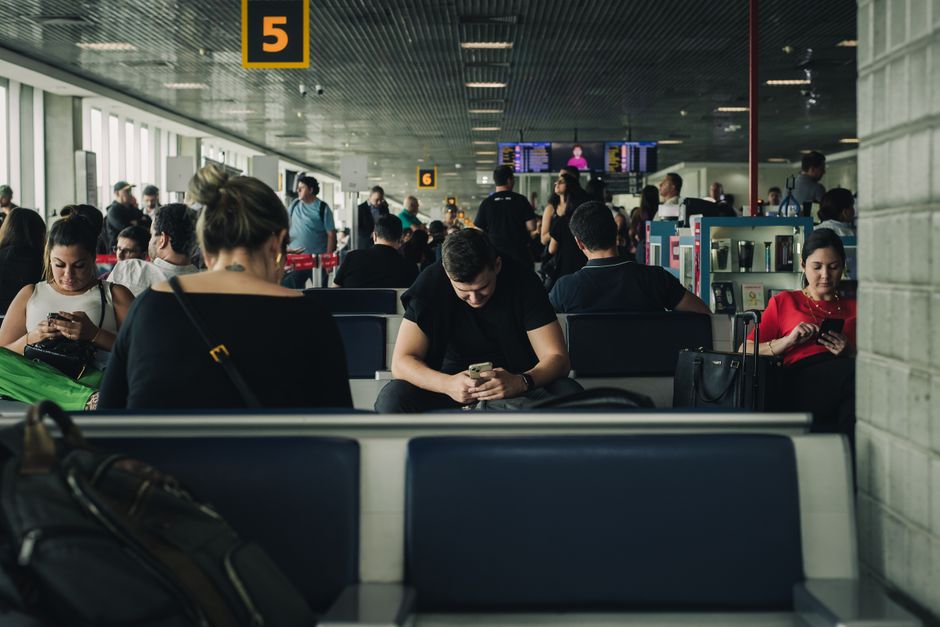
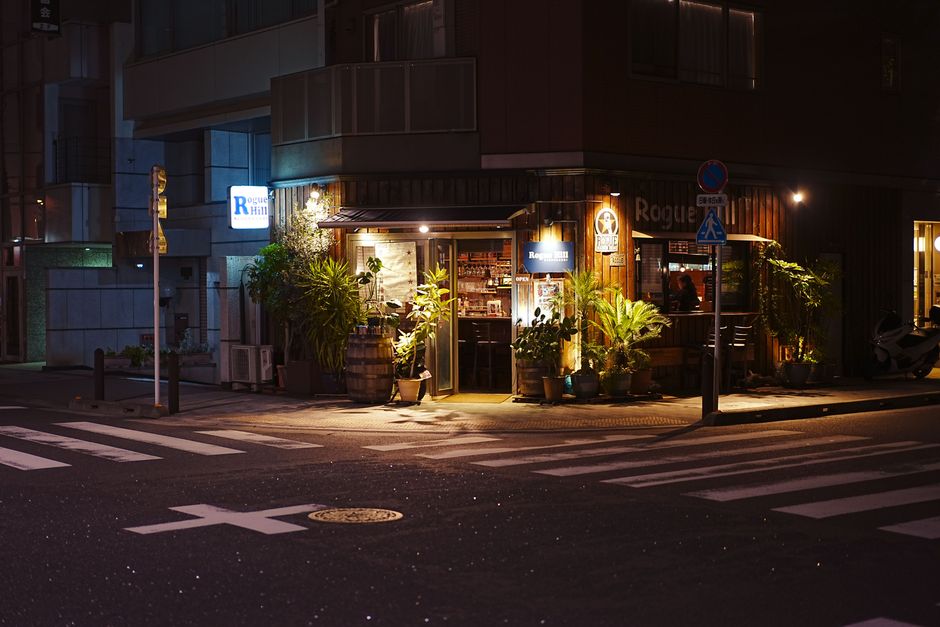
A digital nomad starts living abroad when ordinary routines, local relationships, and practical responsibilities begin to anchor them to a place. In Tokyo, Aqee helps turn arrival tasks and neighborhood discoveries into a guided path from Day 0 toward feeling settled.
In 1890, Lafcadio Hearn arrived in Japan without knowing it would become his permanent home. His first teaching post took him to Matsue, far from Tokyo, where daily life gave him something sightseeing could not: repeated contact with the same streets, customs, neighbors, and conversations.
Hearn’s future was still unwritten. He had crossed countries and changed jobs before, and Japan could have become another temporary stop. Instead, he married Koizumi Setsu, built a life in the country, and became a Japanese citizen in 1896 under the name Koizumi Yakumo. His observations from this period appeared in Glimpses of Unfamiliar Japan, first published in 1894.
Hearn’s story carries a useful lesson for someone opening a laptop in Tokyo today. A place begins to feel like home through participation and repetition. The famous view may bring you there, but the familiar walk, the remembered name, and the small responsibilities give you roots.
A desk gives you access, while routines give you a neighborhood
Tokyo makes temporary living easy to romanticize. You can work beside a window in Shibuya, spend an afternoon around Ueno, and photograph the lanterns and lanes of Asakusa. By evening, you may have covered more ground than you would in a week at home.
Movement can still leave you floating above the city.
Try choosing one neighborhood as your base for ordinary life. Buy breakfast from the same place twice. Walk the quieter streets behind your accommodation. Notice where people pick up groceries, sit after work, or pause with their dogs. Return often enough for the route to stop requiring a map.
This is the less glamorous side of settling in, and often the more rewarding one. Repeated contact turns an unfamiliar block into your block. It also reduces the daily effort of deciding where to eat, work, shop, and decompress.
Aqee frames relocation as progress from Day 0 to settled life. That makes space for both sides of Tokyo: completing the practical tasks that keep your stay on track, then exploring the places that make the effort worthwhile.
Calm admin protects the life you came to build
A residence permit renewal, an expiring document, or missing address evidence can interrupt the freedom digital nomads came looking for. These tasks rarely feel urgent while the city is new. Then a date approaches, a document is hard to find, or two records contain different details.
Keep one dependable relocation file. Include copies of your identity and immigration documents, accommodation records, insurance information, key confirmations, and anything connected to your local address. Save essential copies somewhere you can reach without depending on one device or a perfect connection.
The same habit applies before arrival. The Vancouver arrival folder guide covers a different destination, but its central lesson travels well: organize important records before you need them under pressure.
Aqee’s guided journey helps keep attention on the next relevant part of relocation instead of treating the entire move as one enormous checklist. Gamified progress adds a little momentum, but the practical benefit is simpler. You can see that settling in happens through completed steps, one at a time.
Always confirm current requirements through official Japanese sources or a qualified professional. Relocation guidance can help you prepare and stay organized, but it should never replace destination-specific legal advice.
Belonging grows through repeated contact
Finding community takes more than attending one crowded event and exchanging a dozen social handles. Choose activities that naturally bring the same people together again.
That might mean a weekly language exchange, a climbing gym near your neighborhood, a volunteer group, a recurring creative workshop, or a regular coworking day. The activity matters less than the repetition. Familiar faces lower the effort of starting every conversation from zero.
This principle is explored further in how repeated contact builds belonging. It is especially useful in a city where you can remain anonymous for as long as you choose.
Good guest behavior matters too. Learn the expectations of the home, building, workspace, and neighborhood you use. Keep noise low where quiet is expected. Follow local waste and shared-space practices after checking the current guidance for your address. Ask when you are unsure. Digital nomads earn trust through ordinary consideration, not declarations that they love the culture.
Build a Tokyo life you would miss
Hearn did not understand Japan through constant novelty alone. His work grew from sustained attention to everyday life, and his connection deepened through relationships and responsibility.
Your version can be smaller. Pick one neighborhood routine this week. Put your important documents in order. Join one activity that meets again. Learn the name of a place you already visit, then return.
Aqee helps place those actions inside a broader relocation journey, where admin, exploration, and community all count as progress. The clearest sign that Tokyo is becoming home may arrive quietly: one evening, you close your laptop and know exactly where you want to go next.