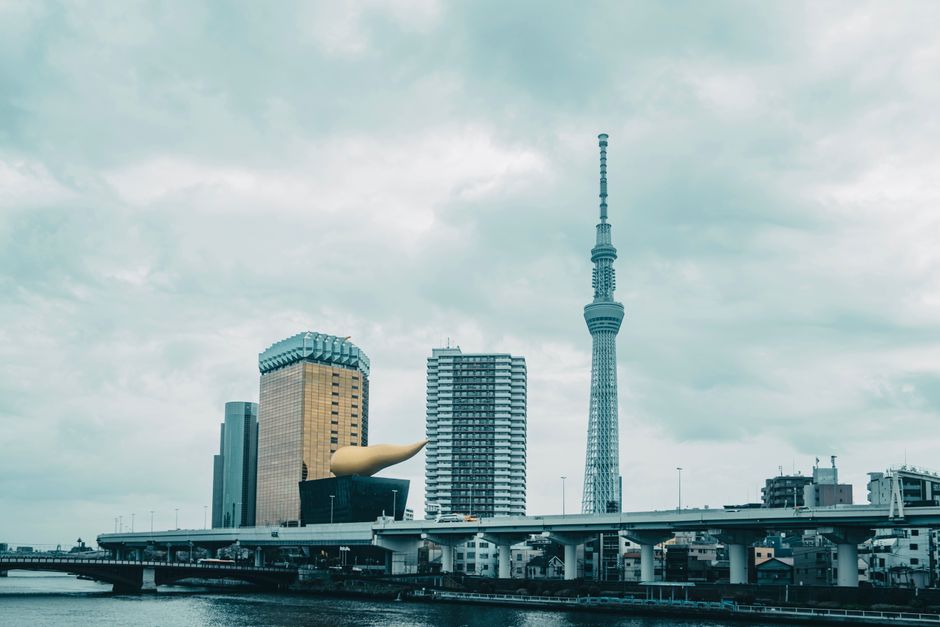
Seeing a blank address field on your residence card on your first morning in Tokyo can feel like something went wrong. In many cases, the field stays blank until you register your settled address at the local municipal office, where the address can be added to your card.
In April 1970, Apollo 13’s crew faced a far more dangerous version of an unfinished system. After an oxygen tank exploded, carbon dioxide began building inside the spacecraft. The command module had square filter canisters, while the lunar module used round openings. The parts needed to keep the crew alive did not fit.
NASA engineer Ed Smylie and his colleagues in Houston had to solve the mismatch using materials already aboard the spacecraft. They developed an improvised adapter from items including plastic bags, cardboard, a sock, and duct tape, then relayed assembly instructions to the crew. NASA’s history of the mission documents how the improvised system reduced the carbon dioxide and helped keep the astronauts alive until they returned safely to Earth.
Your blank residence card is not an emergency, but the mechanism is familiar: you have the right document, and one local step still needs to connect it to where you live.
Why the empty field can feel alarming
You have crossed immigration, collected your luggage, found your way into Tokyo, and finally put your suitcase down. Then you inspect your residence card properly.
Name. Photograph. Status. Expiry information. And an empty space where your Japanese address should be.
That blank can trigger a quick spiral. Did you miss a counter at the airport? Was your accommodation paperwork incomplete? Will the card work without an address?
Pause before assuming the worst. The card records your immigration status, while your local address depends on where you actually settle. Municipal registration supplies that missing piece after arrival.
The practical question is therefore not “How do I fix a defective card?” It is “What do I need for my address registration?”
That change in framing matters. A vague worry becomes a task you can prepare for.
Turn municipal registration into a clear first milestone
Start by confirming which municipal office covers the address where you are living. Tokyo contains multiple wards and municipalities, so “Tokyo” alone is not enough to identify the right counter.
Next, check the current official instructions for that municipality. Requirements can depend on your situation, and procedures can change. Keep your residence card, passport, and the documents connected to your address together, then bring any additional items listed by the municipality.
If your housing is temporary or your address is still uncertain, verify what counts as your settled address before registering. A hostel booking, short hotel stay, university dormitory, company housing, and private apartment may create different practical questions. The local office or the organization arranging your accommodation can tell you which address information applies.
Before you leave the counter, inspect the card again. Check that the address is readable and matches the place you registered. If anything looks wrong, ask while you are still there rather than trying to untangle it later.
This is a satisfying Day 0 milestone for Aqee: one visible blank becomes a completed step. You can mark the task done, record what comes next, and stop carrying the whole relocation process in your head.
Build your next steps around verified information
Address registration often sits near other early arrival tasks. The temptation is to treat them as one giant admin day, open fifteen browser tabs, and trust whichever checklist appears first.
A calmer approach is to separate the jobs.
Use official local guidance for requirements. Save document expiry dates and future renewal reminders somewhere you will actually check. Keep copies of important records in a secure place. When a university, employer, landlord, or relocation contact gives you instructions, note who provided them and when.
Aqee turns those separate obligations into a guided sequence, so you can see the next useful action without mistaking an old forum post for a current rule. The playful part comes from progress you can see. The precise part comes from verifying each administrative step before you act.
The same principle applies beyond Japan. If you are waiting on another immigration process, what you do while an application is pending can matter as much as the eventual decision.
Let the blank become proof that you have begun
Ed Smylie’s team did not solve Apollo 13’s filter problem by pretending the mismatch was irrelevant. They identified the exact gap, used verified materials, and gave the crew a sequence they could follow.
Your first days in Tokyo reward the same practical mindset. Notice the blank. Find the correct local authority. Gather the required documents. Complete the registration. Check the result.
Then mark it done.
That address on your residence card is more than ink in an empty field. It is a small, concrete sign that Tokyo has started changing from the place you arrived into the place where you live.