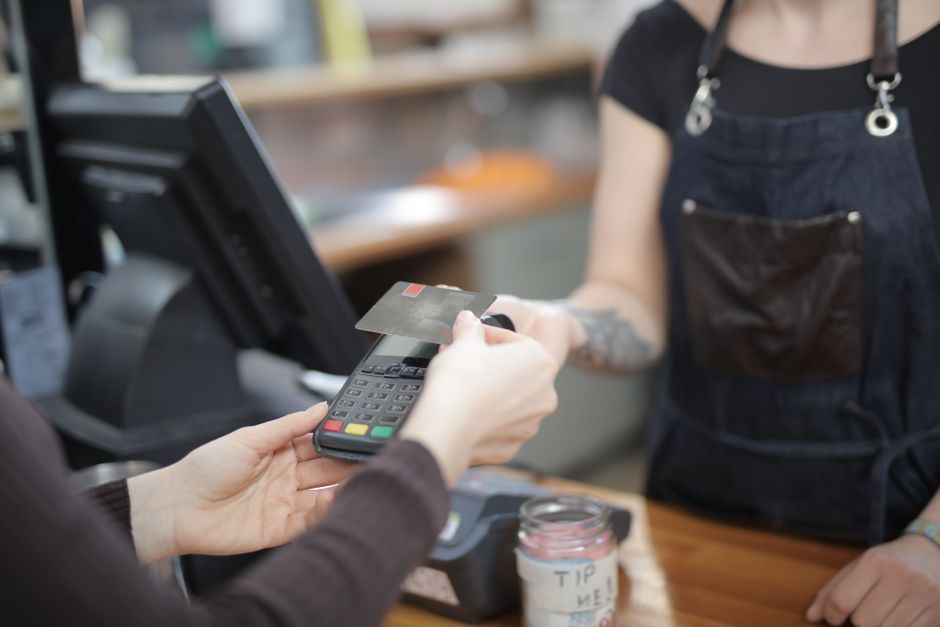
Your first Mexico City payment should be a small, low-stakes test: ask whether the shop accepts cards before ordering, keep some pesos ready, and notice how your card behaves. A declined payment becomes useful information when you still have a backup.
In April 1970, Apollo 13’s crew faced rising carbon dioxide while Mission Control in Houston worked with incompatible equipment. The command module carried square filter canisters, while the lunar module needed round ones. Engineer Ed Smylie and his team had to build an adapter from materials already available aboard the spacecraft, before anyone knew whether their improvised solution would work.
NASA’s history of the mission documents the fix: the astronauts followed instructions from the ground and assembled an adapter that allowed the filters to function. The lesson was larger than the hardware problem. Compatibility had to be tested under real conditions, and the backup only mattered because it could actually be used.
A card at a Mexico City corner shop carries far lower stakes. The underlying problem has a familiar shape, though: the payment method you expect to work may not fit the system in front of you.
Make the first purchase a test
Choose something small for your first payment, perhaps bottled water, fruit, or a snack near your accommodation. Before the cashier rings it up, ask:
“¿Aceptan tarjeta?”
If you want to confirm the alternative, add:
“¿Solo efectivo?”
These two questions prevent an awkward discovery after food has been prepared or several items have been scanned. They also give you a useful local signal. You learn whether that particular shop accepts cards, without turning one answer into a rule for the entire neighborhood.
If the card works, note which card you used and whether the terminal asked for anything unexpected. If it fails, stay calm and try your backup rather than repeatedly tapping the same card. A decline may come from the card issuer, the terminal, a temporary connection problem, or a setting on your account. The cashier may not know which one caused it.
Pay with cash if you can, keep the receipt, and check your banking app somewhere you can stand without holding up the counter. Look for a declined attempt, a pending charge, or a request to confirm the transaction. Avoid assuming that a failed-looking payment left no record.
Carry backup cash you can actually use
A reserve of Mexican pesos helps only when it matches the purchase in front of you. One large note can be awkward for a small transaction if the shop cannot easily make change. Carrying a few smaller notes and coins gives you a more practical fallback.
Split your cash rather than keeping all of it in one place. Put the amount you expect to use that day in an accessible pocket or wallet, then store the rest more securely. The goal is simple: solve a small payment problem without displaying every peso you brought.
Cash also gives you time to investigate a card issue properly. You can finish the purchase, step aside, and check whether international transactions are enabled or whether your bank wants confirmation. If you have a second card, keep it separate from the first so one missing wallet does not remove both options.
Treat that first purchase as a three-part check:
- Can you ask about payment before committing?
- Does your main card complete a small transaction?
- Can your cash backup cover the purchase without creating another problem?
This resembles the logic behind a good arrival sequence. As the Montreal arrival checklist shows, a few ordered checks can make an unfamiliar first day easier to manage.
Ask before the commitment point
The best moment to learn a shop’s payment rules is before you order. This matters most when the purchase cannot easily be put back, such as prepared food, a service already underway, or a bill presented after you have eaten.
A short question protects both you and the person serving you. It removes guesswork without demanding a long explanation in Spanish. You can also look at the terminal or card symbols as clues, but ask anyway. A visible terminal does not guarantee that it is working at that moment.
Keep your tone matter-of-fact if the answer is cash only. You have learned something useful about one place. Pay, decide whether to return, and continue exploring. Settling into Mexico City comes from collecting small pieces of local knowledge like this: which nearby shop suits a quick card purchase, where cash is easier, and which backup gets you through a temporary decline.
Turn one decline into an arrival habit
Once you are back at your accommodation, write down what happened while the details are fresh. Record the shop or neighborhood, which card you tried, whether cash worked, and what your banking app showed. Do not save full card numbers or security codes.
Then reset your payment kit for tomorrow. Refill the small-cash reserve if needed, keep a second card separate, and learn the two Spanish questions well enough to use them without reaching for your phone.
Ed Smylie’s team could not change the equipment available aboard Apollo 13. They tested a workable bridge between two systems that did not match. Your first Mexico City payment offers a quieter version of that discipline: check compatibility early, keep a usable fallback, and learn before the stakes grow.
Start with a corner-shop purchase you can comfortably cover in cash. Ask first. Try the card once. Whatever happens, you leave with more than a snack: you leave knowing how to handle the next payment.