Moving abroad begins to feel manageable when you complete one small, local task that belongs to ordinary life. For an international student in Cebu, a Saturday visit to Carbon Market can turn an unfamiliar city into somewhere she knows how to enter, explore, and return from.
At 8:20 on Saturday morning, Mara stood beside two half-open suitcases in her rented room, holding a canvas bag she had packed back home. She was an invented composite, but her predicament will feel familiar to anyone who has moved countries: lectures started on Monday, her documents still needed sorting, and every street outside seemed to require knowledge she did not have.
That evening, three classmates were coming over. Mara had offered to cook, then discovered that the small shop near her room did not carry two ingredients she needed. She could cancel, blame the unpacking, and spend another Saturday eating alone beside her luggage.
Her thumb hovered over the message.
Instead, she put the phone in her pocket and left for Carbon Market.
Inside the market, the city stopped feeling abstract
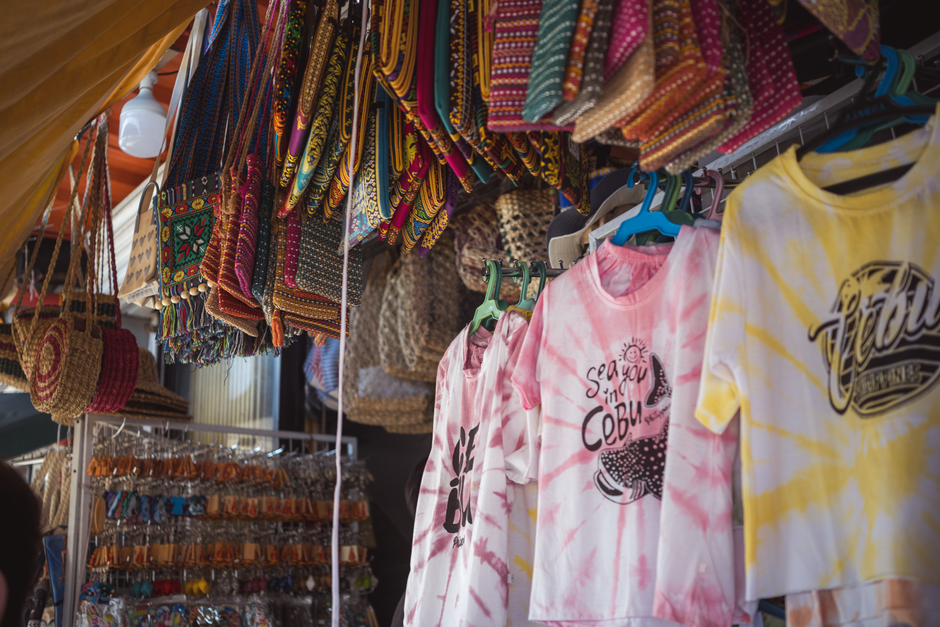
Carbon Market did not present itself like a tidy newcomer checklist. Mara entered a maze of produce, flowers, baskets, voices, and narrow choices: turn here, pause there, step aside for someone who already knows where they are going.
At first, she walked too slowly. She checked the same handwritten ingredient list twice and passed one row of produce before realizing she had circled back. Everyone else appeared to understand the rhythm. She felt conspicuous, although nobody seemed particularly interested in watching her.
That is one of the strange pressures of settling in a new city. You may know your address and the route back to your room, yet still feel like a visitor performing basic tasks incorrectly.
Mara started with the easiest item on her list. She pointed, asked a short question, and listened carefully to the answer. The next exchange came more easily. Then another shopper showed her which direction to take for the ingredient she could not find.
Nothing dramatic happened. That mattered.
Each small exchange replaced an imagined obstacle with a real experience. The market became less like an enormous test and more like a place where she could ask, adjust, and keep moving.
One errand became a first city quest
A relocation checklist often fills quickly with high-stakes tasks: visa paperwork, residence permit renewal, university registration, housing documents, banking, and health coverage. Those tasks deserve calm attention. They can also make an entire move feel like one long administrative emergency.
Aqee approaches moving abroad as a guided journey from Day 0 to feeling settled. The useful shift is simple: treat local confidence as part of relocation, then break it into small quests you can finish.
For Mara, the quest was concrete: visit one local market, buy what she needed for dinner, and return without abandoning the plan. She did not need to “understand Cebu” by lunchtime. She needed to complete one loop through the city.
This approach works because finished tasks create usable knowledge. After one market visit, you know what the entrance feels like, how crowded the aisles can become, when you need to ask for help, and what you would do differently next time. You also gain a story that begins with “I went there” instead of “I should go there.”
The same principle can steady your administrative first days. Prepare the next task before trying to solve the whole move at once. The three document piles for a first morning in Dubai use that idea for paperwork: separate what you need now from what can wait.
The flowers were proof she had room for more than survival
By late morning, Mara had found the ingredients on her list. Near the flower stalls, she stopped.
Flowers had no place on her urgent relocation plan. They would not complete a registration, prevent a document from expiring, or reduce the stack beside her bed. Buying them made sense for a different reason: they were for the room she kept calling temporary.
She chose a small bunch and placed it carefully above the produce in her bag.
Back at the room, the suitcases were still half open. Her paperwork remained unfinished. Cebu had not become familiar in a single morning.
But Mara now had ingredients on the counter, flowers in a reused glass, and three classmates due after sunset. The cancellation message stayed unsent.
That evening, someone asked where she had bought everything. Mara gave directions using the details she remembered from her own walk. Her explanation was imperfect, full of gestures and landmarks, but it was hers to give.
Choose a win that brings you back into the city
Your first local quest does not need to be impressive. Pick something small enough to finish and useful enough to repeat: buy fruit from a neighborhood market, find a quiet place to study, learn the route to a grocery shop, or order one meal you would gladly eat again.
Keep the admin track separate. Check your visa checklist, record important dates, and prepare documents carefully. Then give yourself one task that exists purely to build familiarity.
Go before your room feels fully organized. Take a short list, carry only what you need, and leave space in your bag for one unplanned thing.
For Mara, that thing was a bunch of flowers. On Sunday morning, they were still beside the half-unpacked suitcase, a small piece of Carbon Market brightening the room she had finally started to treat as home.