
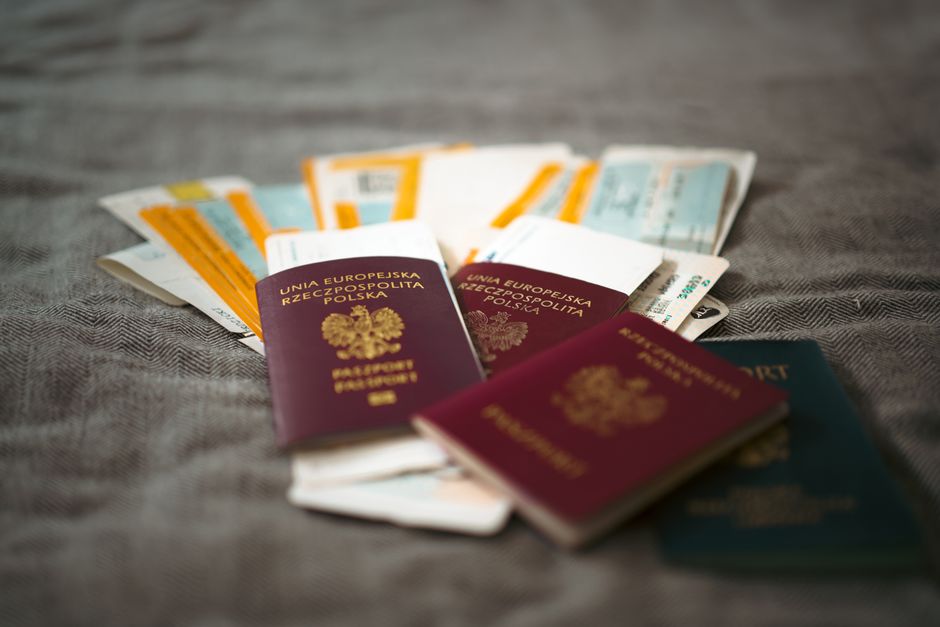
Shanghai accommodation registration is a required declaration for a foreign national staying in Shanghai, and it should be handled separately from any residence-permit appointment or other immigration task. Your first step is to identify where you are staying, confirm who is responsible for the declaration, and follow the current online or in-person route described by the Shanghai Municipal Public Security Bureau.
At 8:40 on a rainy evening near Jing’an, Lina was holding a damp passport sleeve, a phone with 12% battery, and the address her landlord had sent in a hurried message. She had arrived in Shanghai that afternoon and assumed the residence-permit process would cover everything she needed. Then the host asked whether she had completed accommodation registration.
Lina opened the official service page and tried to submit the declaration online. The review did not go through. Her landlord was preparing to leave, the apartment details were not clearly explained, and Lina had an early appointment connected to her move the next morning. If she left the registration unresolved, she might have to spend the next day trying to untangle two different procedures while still carrying luggage and relying on a new city’s unfamiliar systems.
The problem was not solved by guessing. Lina went back to the basic question: what exactly was she trying to complete?
Separate accommodation registration from other immigration tasks
Accommodation registration records where a foreign national is staying. A residence-permit appointment concerns a different immigration process. They may appear close together in a relocation checklist, and one may affect the practical order in which you handle your first days, but they are separate tasks with separate instructions.
That distinction matters because relocation creates a dangerous kind of false progress. You can have a residence-permit appointment booked and still need to address accommodation registration. You can also have an accommodation declaration submitted while another immigration requirement remains outstanding. Treating one as proof that the other is complete can leave a gap in your records at the exact moment you need them.
Keep the tasks in separate lines on your checklist:
- Accommodation registration for the place where you are staying.
- Residence-permit or visa-related appointments and applications.
- Any school, employer, landlord, or local onboarding steps.
- Copies of confirmations, messages, and official instructions.
This separation also helps when someone gives you informal advice. A landlord, host, university administrator, employer, or fellow expat may use “registration” to refer to more than one thing. Ask which process they mean before acting on the advice.
The Shanghai Municipal Public Security Bureau provides official guidance for accommodation registration and separate guidance for online registration. Read the current instructions directly because the available route and required information can depend on your accommodation situation and the service currently offered.
A useful comparison is the preparation approach in Serbia Accommodation Registration: How a Day 0 Check Prevents a Midnight Scramble. The local rules differ, but the planning lesson travels well: clarify the first declaration before arrival day turns into a late-night search for answers.
Confirm who can register
The next question is practical: who is expected to complete or support the accommodation declaration for your specific stay?
Start with the accommodation type. You may be staying in a hotel, serviced accommodation, university housing, a rented apartment, a room in someone else’s home, or another arrangement. The right route can differ depending on that arrangement, so record the category accurately instead of choosing the most convenient label.
Then identify the person or organization connected to the accommodation. Depending on the situation, that may be a hotel or accommodation provider, a landlord, a host, a university, an employer, or you. Do not assume that the person who handed you the keys is automatically the person who completes every local declaration. Confirm their role and ask what action they expect from you.
A short message before arrival can prevent a long conversation after arrival:
“I understand I need to complete accommodation registration after I arrive. Which part will you handle, and which information or action do you need from me?”
Keep the reply. It may not replace official guidance, but it gives you a record of what was agreed and makes missing steps easier to spot.
You should also confirm the address details carefully. Use the address as provided through the official or accommodation channel. Avoid reconstructing it from memory, translating it casually, or copying an old address from a previous booking. If the address has multiple parts, ask the host to confirm the exact version to use for the declaration.
Do not add requirements because they sound familiar from another country. Rules around accommodation registration are destination-specific. The official Shanghai guidance is the right place to verify the current route and information. If an accommodation provider gives you instructions that conflict with the official source, pause and ask the provider to clarify the discrepancy, then check with the responsible public authority if the issue remains unresolved.
Lina’s mistake was easy to understand. She had treated “my host knows I arrived” as equivalent to “the accommodation declaration is complete.” Those were different statements. Once she separated them, she could ask a precise question and see what still needed action.
Choose the current declaration route
Shanghai’s official guidance includes an online accommodation-registration route. Before you begin, open the current page from the Shanghai Municipal Public Security Bureau and check the instructions that apply to your accommodation.
Use the official service route rather than an old screenshot, a social-media post, or a message copied from another person’s move. Online services change. A process that worked for a friend may have been updated, replaced, or limited to a different type of accommodation.
Prepare calmly:
- Know the accommodation category you are declaring.
- Confirm the address details with the host or provider.
- Keep your passport and relevant arrival information available.
- Have the host or accommodation contact reachable if their participation is needed.
- Save any submission reference, confirmation screen, or message you receive.
The point is preparation, not collecting every document you have ever used for immigration. The official service will tell you what information is needed for the current declaration. If the page does not answer a question, do not fill the gap with a requirement borrowed from a different visa process.
The online route may be convenient, but convenience should not turn into a race. Read each field before submitting. Check names and address details against the source you are using. If another person is helping you, review the final information before it is sent.
A practical way to manage this is to create three small notes on your phone:
“Confirmed”: information verified through the accommodation provider or official source.
“To clarify”: questions that still need an answer.
“Submitted”: the date, route, and confirmation details for the declaration.
This keeps the accommodation task visible without mixing it into your residence-permit paperwork.
If you are staying in a hotel or another accommodation provider, ask what the provider handles and what evidence you should retain. If you are staying in private accommodation, confirm the host’s role before you arrive. If you are moving between temporary and permanent addresses, treat the new stay as a fresh question and check the current instructions rather than assuming the earlier declaration covers the new address.
The official page is also the place to check whether the current service is online, in person, or supported by another route for your situation. The responsible authority may update instructions, and the correct route can depend on details the general guidance cannot resolve.
Handle an unsuccessful online review
An unsuccessful online review is a signal to investigate the submission, not a reason to invent a workaround.
First, record what happened. Save the message or screen if possible, along with the date and the accommodation address you attempted to use. Read the reason shown by the service carefully. A rejected or unsuccessful review may point to incomplete information, an address mismatch, an issue requiring host involvement, or a problem that only the responsible authority can explain. Do not assume which one applies.
Second, compare the submitted information with the information provided by the accommodation contact. Check spelling, address details, passport information, and the accommodation category. If another person submitted or supported the declaration, ask them to review the same details. Keep the conversation focused on the exact field or instruction that appears unresolved.
Third, return to the current official Shanghai guidance. The online accommodation-registration page may explain what to do when online review cannot be completed. Follow that route rather than repeatedly submitting the same information without understanding the problem.
If the online route remains unresolved, use the police-station route described by the responsible authority where that route applies to your situation. Confirm the appropriate location and current instructions through official channels before travelling. Do not rely on a random office address from an old forum post or assume that the nearest building is the correct place for your case.
This is where a small amount of preparation matters. Keep your accommodation contact available, retain the address details, and save the online result. If you need to explain the issue in person, you can show what you attempted and where the process stopped.
Lina returned to the official instructions with her host beside her. The issue was no longer “Shanghai registration is confusing.” It was a narrower question about the declaration route for her accommodation and what to do after the online review did not resolve. Her host helped confirm the address details, and Lina followed the next official instruction instead of trying a second unrelated process.
The outcome was still uncertain while she was checking the route. That uncertainty was useful. It stopped her from treating an unanswered screen as a completed task.
What to do next
Make the next action small enough to complete today. Identify your accommodation type, contact the person or organization connected to the address, and open the current Shanghai Municipal Public Security Bureau guidance before you travel to any office.
Create an Aqee local-settlement checklist with separate entries for:
- Accommodation registration.
- Residence-permit or visa-related appointments.
- Address and host confirmation.
- Online submission or in-person follow-up.
- Saved confirmations and unresolved questions.
Aqee is designed to turn international relocation into a guided, gamified journey from Day 0 to a settled routine. For this task, that means keeping the first declaration visible, recording what has actually been completed, and leaving a clear next step when an online review does not resolve.
If your accommodation changes, update the checklist and verify whether a new declaration is needed under the current instructions. If the service gives you a message you do not understand, preserve the message and ask the responsible authority or accommodation contact to explain the next route. If the online option cannot resolve your case, use the official police-station path rather than relying on informal certainty.
Lina’s useful win was modest. The next morning, she was no longer holding a wet passport sleeve and trying to remember which “registration” someone had mentioned. Her checklist had the accommodation declaration on one line, the separate immigration appointment on another, and the unresolved online review attached to a specific follow-up action.
That is the standard to aim for in your own first days in Shanghai: one address, one confirmed route, one recorded next step.
Sources
- Shanghai Municipal Public Security Bureau, accommodation registration, checked 2026-09-24.
- Shanghai Municipal Public Security Bureau, accommodation registration, checked 2026-09-24.
- Shanghai Municipal Public Security Bureau, online accommodation registration, checked 2026-09-24.
Related Aqee guide
Keep the practical follow-up in your wider move plan with Aqee’s immigration-paperwork guide.


