
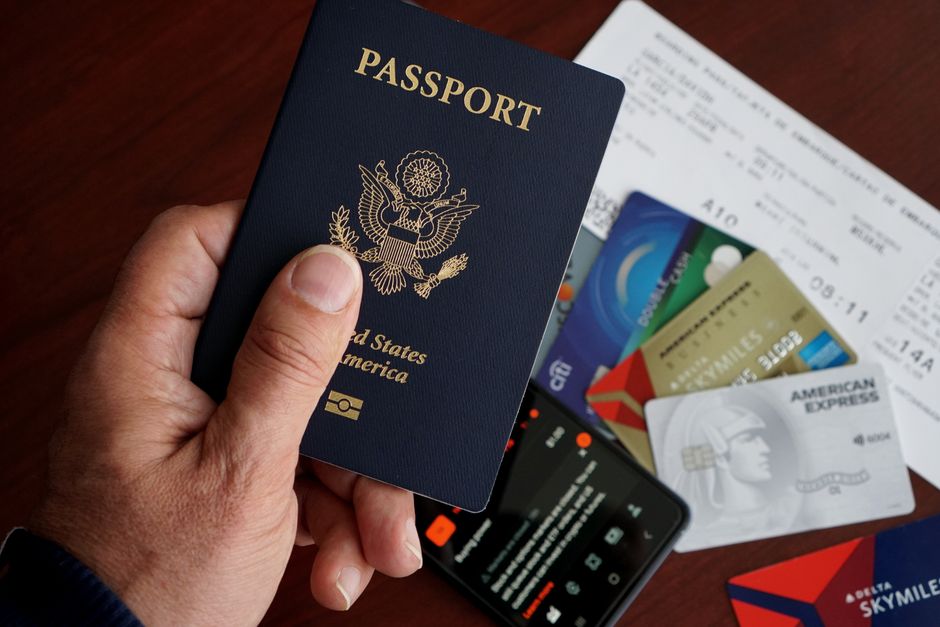
When your residence permit renewal comes through, the paperwork victory feels complete. It’s not. Between that approval and truly being settled is a critical window where dozens of notifications, updates, and document corrections need to roll out across the systems that matter in your daily life. If you skip this, you risk frozen bank accounts, utilities getting cut off, or employer payroll problems that take weeks to untangle.
In 1999, NASA’s Mars Climate Orbiter was approaching Mars after a nine-month journey. The navigation team had calculated the orbit carefully. But somewhere in the handoff between Lockheed Martin’s navigation software and NASA’s systems, a single detail was missed: navigational data arrived in imperial units instead of metric. No one caught it. On September 23rd, the probe entered the Martian atmosphere too low, burned through its hull, and $327 million ended in silence. As NASA documented in their investigation, this small oversight in the handoff between two systems cascaded into total mission failure.
You face a similar handoff problem after renewal. Your old permit details are tangled in dozens of systems: your bank’s customer verification, your employer’s payroll, utilities registrations, insurance policies, tax files, even your phone carrier’s identity checks. When the permit number changes or the expiry date updates, all of those systems need correcting. But no one sends out a master checklist. Each system expects you to show up and update your own record. Miss even two or three, and what feels like housekeeping becomes a chain of lockouts and service interruptions.
The Core Updates That Matter Most
Your bank goes first. Within days of renewal approval, contact your bank with a copy of your new permit. Give them the number, the new expiry date, and confirm that your account verification is current. Banks are required to maintain accurate customer identification records; if your data is stale when you try a large transaction, your account can be frozen while they re-verify you.
Your employer’s payroll department needs the update equally fast. If your work permit renewal changed your permit number or expiry, let HR know immediately. Payroll systems run against government databases during tax year processing. Mismatches delay or halt paychecks. A conversation now takes five minutes; a tax filing mismatch takes weeks.
Utilities and housing registration are next. Whether you own or rent, the local authority that tracks residency usually ties your status to a specific address and permit validity period. Some jurisdictions freeze utility connections if your registered permit has expired. Notify them as soon as you have the new permit in hand.
Insurance companies also need to know. Some health or home policies have tie-ins to permit status or validity periods. A missed update can technically void coverage, though claims are usually honored after correction.
Why Getting the Order Right Matters
The Mars mission failed not because unit conversion is hard, but because the right people didn’t have a shared checklist ensuring the handoff happened correctly. Your renewal is similar: the government that issued your permit has no obligation to tell your bank or employer. What you do next is entirely your responsibility.
The safest approach is to treat your renewal approval as the start of a 14-day critical window. Within that window, your status is fresh and systems are most likely to find clean records. The further you drift past that window, the more likely someone runs a background check and finds a mismatch. Then you’re not updating a detail; you’re disputing a discrepancy.
A Realistic Timeline
Day 1-2 after approval: Get copies printed. Keep the original safe.
Day 3-4: Contact your bank and employer. Get written confirmation they’ve updated your file.
Day 5-7: Notify your landlord or housing authority. Confirm the address and permit are linked correctly.
Day 8-10: Call your insurance provider.
Day 11-14: Flag any other services that asked for ID on signup. Verify your record is up-to-date now.
This isn’t bureaucratic theater. These updates are the technical handshakes that keep the systems you depend on from developing mismatches. The Mars Climate Orbiter teaches that lesson expensively: one overlooked detail in a handoff between systems compounds into catastrophe. Yours won’t be as dramatic, but frozen accounts and service interruptions are catastrophe enough when you’re settling into a new city.