The immigration officer at Nyayo House will reject your sponsor letter if it’s a printed PDF. You need an original document with actual signatures in ink, and if you don’t have one in hand right now, you’re losing the week. Here’s exactly what that Tuesday at the desk looks like, what changes when you realize the PDF won’t work, and how to recover without blowing your whole timeline.
The Moment the Officer Hands It Back
Kenji had been in Nairobi for nine days. He came to work as a data analyst for a startup in Westlands, saved up his visa documents in a folder on his laptop, and printed everything the night before his Nyayo House appointment: passport, employment letter, the sponsor letter from his employer HR. Organized. Ready. The queue was long, but it moved. When his turn came, the officer glanced at the stack, pulled out the sponsor letter, and slid it back across the desk without opening it past the first page. “This one is not acceptable. We need the original with signatures. A scan or printed copy, we cannot use.”
Nine days in, and Kenji had just lost the week. His next available slot was seven days out. The startup’s onboarding process couldn’t start until his residence permit was approved. Every day the approval waited was a day the finance team couldn’t add him to payroll. This wasn’t a delay. This was a bottleneck that would ripple backward through every deadline that relied on this one.
He called his HR contact. “Can you email me the signed original?” Her response: “I can, but it’ll take two days to reach you as a PDF, then you need to print it, then physically get back to Nyayo House. By the time you’ve got the paper in hand, your new slot might be gone.” Kenji had the thought that crystallizes every expat’s worst Tuesday: there’s no winning move here. Either he waits seven days for the next appointment slot and somehow gets the wet-ink letter in the meantime, or he tries to jump the queue and never actually reaches the front.
Why the Officer Can’t Accept Your PDF
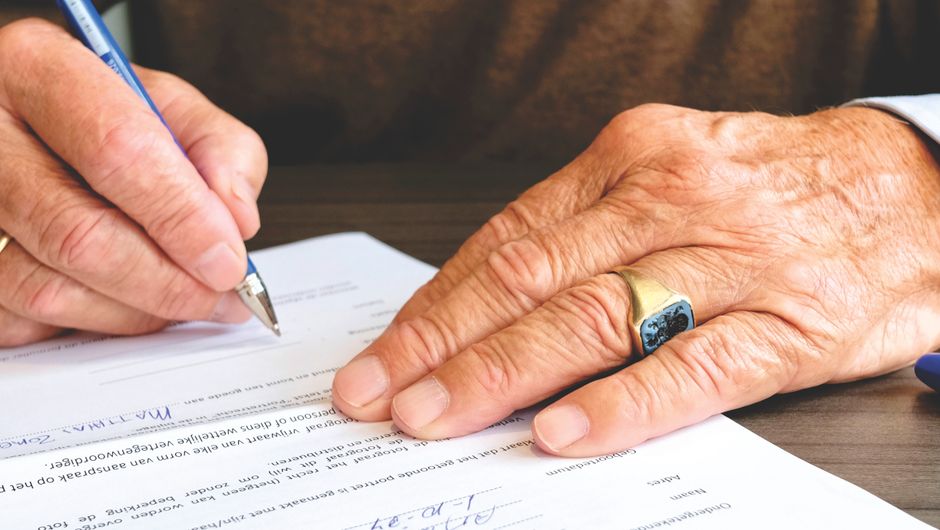
The sponsor letter proves your employer actually exists and is actually hiring you. A printed copy proves only that a printer worked. An original with real signatures is the only document Nyayo House will verify against the employer’s actual records. A scan or a PDF can be altered in five minutes on a laptop. A wet-ink original is harder to forge and leaves a physical trail.
If you show up with a printed PDF and the officer calls it out, you’ll get rescheduled. That reschedule is a new slot, a new week, and no guarantee the original will arrive in time for that second appointment.
Getting a Wet-Ink Original Couriered Before Your Rescheduled Slot
The move is not to wait and hope. The moment the officer says the PDF won’t work, you text your HR contact. Don’t email. Text or call. Tell them: “Nyayo House just rejected the PDF. I need the original signed letter couriered to me by [date three days before your rescheduled slot]. Express courier only. Here’s my address.” Give them the address you’re staying at in Nairobi, not a P.O. box, and make sure they understand “express” means overnight or next-morning delivery, not economy.
Most startup HR contacts will prioritize this. They understand the visa process halts the onboarding. If yours doesn’t move fast, escalate to your hiring manager. The letter takes five minutes to print and sign; the courier takes one to two days. If you ask on Tuesday, you can have it by Thursday or Friday.
While the letter is in transit, call Nyayo House or visit in person and confirm your rescheduled appointment slot is actually held. Don’t assume. Slots sometimes vanish. Confirm the date, the time, and that you’re expected. When the courier arrives, open it and check immediately: signatures, date, company seal if it has one, letterhead. A courier mix-up at the last minute is a disaster you can still prevent.
Starting Over, With Ink
Kenji got his text confirmation from HR on Wednesday morning. The original arrived Friday, signature dark and real. His rescheduled slot was Monday. He walked into Nyayo House with the wet-ink letter in a folder, not folded in his backpack. The officer scanned it, asked him two questions about the startup, and stamped his approval. Eleven days instead of nine. Not the day-one move he’d planned. But the week he’d lost on Tuesday? Recovered.
The deeper move is this: if something matters enough to need a wet-ink signature, ask for it before you get on the plane.