
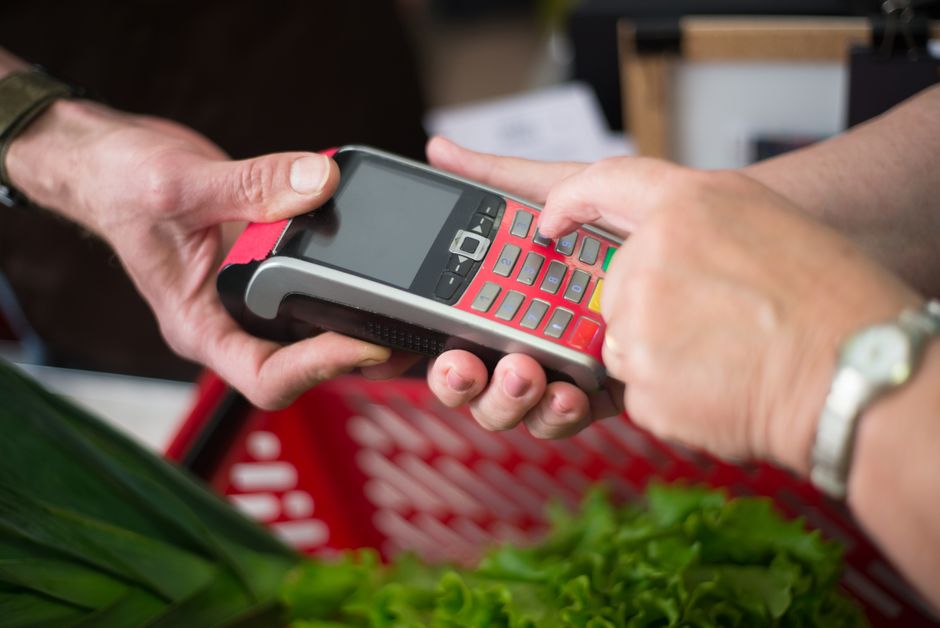
A safe card payment in Medellín starts with preparation: know how to distinguish a declined transaction from a possible security issue, protect your card and PIN at the point of sale, check the transaction record, and contact your issuer through its official channel when a payment needs review. No particular card, shop, terminal, or travel setup can guarantee acceptance, so treat each payment as a separate decision and keep a backup plan.
At 8:17 on a rainy evening near Laureles, Sofía was holding a basket with water, fruit, and the one ingredient she needed for dinner when her card was declined at the checkout. Two people were waiting behind her. The cashier tried the terminal again, and Sofía felt the familiar heat of embarrassment rise in her face. She had already entered the PIN incorrectly twice that week while tired, and her phone battery was down to 6 percent.
The situation could have ended with an abandoned basket, a long walk back to her apartment, and no reliable way to know whether the card had failed because of a simple issuer rule or because someone else had tried to use it. Instead, she stepped out of the queue, checked the transaction alert in her banking app, and called the number printed on the back of the card through the issuer’s official support route. The issue turned out to require review. She left the shop with a clear next step and a record of what had happened.
That distinction matters when you are new to Medellín. A declined payment can result from issuer controls, merchant assumptions, a terminal problem, an account setting, or a transaction that needs verification. Fraud prevention is a separate concern. The right response is careful and specific, rather than guessing at the cause while standing at the till.
Separate a decline from a security concern
A declined card payment gives you one fact: that particular transaction did not complete. It does not explain why. The terminal message may be brief, and the cashier may not have access to your issuer’s reason for declining it.
The cause could involve your bank’s travel or fraud controls, a card setting, a transaction limit, a merchant’s acceptance rules, a technical problem, or a mismatch between the transaction and the issuer’s risk checks. You should avoid assuming that a second attempt will solve the problem. Repeated attempts can create confusion in your transaction history, and entering your PIN again without checking the terminal can increase the chance of a mistake.
Move away from the queue if you can and review the payment in your issuer’s app or online account. Look for whether the transaction appears as declined, pending, reversed, or absent. Those labels can mean different things, and your issuer is the appropriate source for interpreting them.
A possible security concern has different signs. You may see a transaction you do not recognize, receive an unexpected alert, notice that your card is being handled away from your view, or find that the payment details do not match what you approved. The Colombia Financial Superintendency advises card users to protect their card information and remain alert to electronic fraud risks. Its guidance is useful for understanding the protective habits that belong at the point of sale.
Do not rely on the cashier, another traveller, or a social media post to decide whether an unfamiliar transaction is fraudulent. They may offer a plausible explanation, but they cannot confirm what happened inside your card account. Record the basic facts: the approximate time, the merchant name as shown to you, the amount or currency if displayed, whether you received an alert, and the exact message on the terminal if you can remember it.
That small record helps you describe the event accurately. It also prevents two common mistakes: treating every decline as evidence of fraud, or dismissing an unfamiliar charge because the original payment was made only moments earlier.
Protect the card at the point of sale
Keep the card in your possession as much as the setting allows. Watch where it goes, especially if a payment requires a staff member to handle the card. Shield your PIN when entering it, and do not share the PIN with a cashier, driver, stranger, or someone offering to help.
Before approving a payment, check the amount shown on the terminal. If the terminal presents a currency choice or another conversion option, pause and read the screen before selecting anything. The merchant’s screen may not show every detail you need, and your issuer can explain how the transaction will be processed for your account.
Avoid handing over your phone while it is unlocked. If a staff member needs to see a payment confirmation, show the relevant screen yourself. Keep notifications private when possible, because an alert can contain information about the card, merchant, or transaction that you do not want displayed to people nearby.
Your physical surroundings matter too. A busy counter can make it difficult to notice whether a payment was completed, whether the card was returned, or whether the terminal displayed a second prompt. Take a moment before leaving the checkout area to confirm that you have your card, phone, and receipt or digital confirmation.
The Colombia Financial Superintendency’s card-security guidance is a useful reminder that fraud prevention begins with basic control of card details and transaction information. The practical lesson for a newcomer is simple: keep the card, PIN, phone, and approval screen within your attention during the payment.
That habit also helps when a transaction fails. If the card remained with you and the terminal showed a clear decline, you have a better starting point for contacting the issuer. If the card disappeared from view or the transaction details looked different from what you expected, tell the issuer that directly.
Carry a second payment method, but keep it separate from your primary card. A backup does not need to be used at every merchant, and it may have different acceptance rules or issuer controls. Its purpose is to give you a safe way to complete an essential purchase while you investigate the first card, not to encourage repeated attempts at the same terminal.
Sofía changed her routine after the checkout incident. She stopped treating a card as “working” simply because it had worked earlier in the day. Before leaving her apartment, she checked that her phone had enough charge for an issuer alert or call, kept a second payment method separately, and saved the issuer’s official contact route where she could reach it without searching through an unfamiliar website.
Check the transaction record
A receipt, banking alert, and account transaction can show different descriptions. The name on the receipt may differ from the name displayed in your banking app. A payment may also appear as pending before it settles, or a declined attempt may leave a temporary authorization record that later changes.
Check the transaction record before deciding what happened. Compare the amount, merchant description, time, and status with what you remember approving. If the transaction is unfamiliar, avoid guessing based only on the name. Write down the details and ask the issuer to explain them through its official support channel.
A pending transaction deserves attention, but it does not automatically mean that fraud occurred. Likewise, a missing alert does not prove that no transaction took place. Notifications can be delayed, settings can vary, and the account record remains the stronger reference for reviewing activity.
If the payment was declined, note whether the terminal gave a reason. Use the exact wording when speaking with the issuer. “The card did not work” leaves several possibilities open. “The terminal displayed a decline after I entered the PIN, and no completed payment appears in the app” gives the issuer a clearer starting point.
If a payment appears twice, do not assume that both charges will remain. Check the status of each entry and ask the issuer or merchant what the records represent. Keep receipts, screenshots, and support reference numbers until the matter is resolved. Do not post screenshots publicly, because transaction records can reveal information that should remain private.
The same preparation applies to cash withdrawals and online payments made while travelling. A transaction you do not recognize should be reviewed through the issuer, even if the amount seems small. Small unfamiliar charges can still be relevant to the account’s security, and delaying a review makes the timeline harder to reconstruct.
Aqee is designed to help you turn details like these into a guided relocation routine. As you prepare for daily life in a new country, you can create an Aqee local-settlement checklist that includes issuer contact details, backup payment planning, account-review habits, and other first-week tasks. Keep the checklist practical. Its value comes from making the next action visible when you are tired, rushed, or standing in an unfamiliar queue.
Use the issuer’s official channel
When a transaction needs review, contact the card issuer through a channel you already trust. Use the phone number printed on the card, the issuer’s official app, or the official website you normally use. Avoid phone numbers sent by an unknown person, links in unexpected messages, or search results that imitate an institution’s support page.
The issuer can tell you whether the payment was declined, pending, reversed, blocked, or flagged for review. It can also explain the controls available on your account and the steps for reporting a transaction you do not recognize. Those controls vary by issuer, card type, country, and account agreement, so do not assume that another traveller’s experience applies to your card.
Have the relevant information ready, but do not disclose your PIN or full security credentials to someone who contacts you unexpectedly. An official support process may require identity verification, yet you should begin the contact yourself through a trusted channel. If you receive a call claiming to be from the issuer, end the call and use the verified number on the card or in the official app.
Ask what will happen next. You may need to confirm whether the card remains usable, whether a payment is being reviewed, whether a replacement is required, or whether another transaction attempt should wait. Record the support reference, the date, and the instruction you were given.
The Colombia Financial Superintendency’s anti-fraud guidance describes public efforts to strengthen protection against financial fraud. It reinforces a broader principle for international movers: prevention depends on recognizing suspicious activity early and using reliable institutional channels rather than improvising with a stranger’s advice.
Do not treat a successful payment as proof that every future payment will succeed. Merchant systems, issuer decisions, account settings, and transaction conditions can change. Do not treat a decline as proof that the card has been compromised either. Separate the event from the interpretation, then use the transaction record and issuer response to establish what happened.
What to do next
Before your next outing in Medellín, create an Aqee local-settlement checklist with five entries:
- Save the issuer’s official phone number and app access route.
- Keep a backup payment method separate from your main card.
- Check your card, phone, and payment confirmation before leaving a checkout.
- Review alerts and account transactions for unfamiliar details.
- Write down the time, merchant, amount, status, and support reference for any disputed payment.
This checklist is useful because card safety is a sequence of small actions, not a promise that a certain card or merchant will always accept your payment. It also gives you a calmer response when the terminal says no. Step out of the queue, keep your information private, check the record, and contact the issuer through the official channel.
Sofía’s next dinner was less dramatic. She checked her account before shopping, kept her card in sight, and left the checkout with the receipt matched to the transaction record. The important change was not finding a magical card that never failed. She knew what to do when a payment needed an explanation.
Sources
- Colombia Financial Superintendency, debit and credit card security, checked 2026-09-24.
- Colombia Financial Superintendency, debit and credit card security, checked 2026-09-24.
- Colombia Financial Superintendency, anti-fraud guidance, checked 2026-09-24.
Related Aqee guide
Keep the practical follow-up in your wider move plan with Aqee’s immigration-paperwork guide.


