
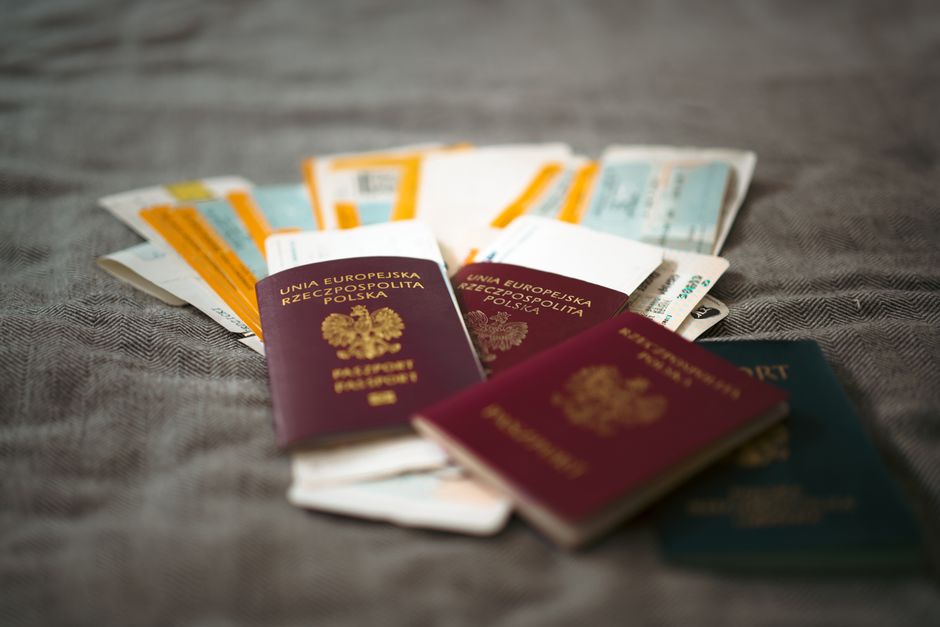
Canada’s goods-to-follow process helps newcomers separate what arrives with them from what will arrive later. Before your first entry, confirm the CBSA route that applies to your situation, prepare two detailed inventory lists, present them to the border services officer, and keep the completed receipt for future shipments.
At 6:40 in the morning, Daniel stood in the arrivals hall with one suitcase open at his feet and a folder pressed against his chest. He had packed clothes, a laptop, a few kitchen items, and the small box of winter gear his sister had asked him to bring. His larger shipment was still in storage overseas.
The officer asked whether he had goods arriving later.
Daniel had expected questions about his passport and study documents. He had not expected to describe everything that would cross the border after him. His first list had a vague line that said “household items.” His second list was on his phone, mixed in with screenshots, messages, and a half-finished grocery note.
For a moment, the move felt as if it could become more complicated before it had properly begun. If the later shipment could not be matched to the information he declared, Daniel worried that the items might be delayed, questioned, or treated differently from what he had intended.
The useful preparation was simple once he separated the task into the right parts. The accompanying-goods list covered the items with him. The goods-to-follow list covered the items that would arrive later. His ordinary travel declaration covered what he was bringing or receiving as part of crossing the border. These are related questions, but they serve different purposes.
Identify the applicable moving or returning route
Start with the Canada Border Services Agency guidance for people moving or returning to Canada. The applicable process can depend on your circumstances, including whether you are arriving as a newcomer, returning after living abroad, or entering under another relocation situation.
Read the current CBSA instructions before packing or arranging shipment. Your immigration status and travel purpose matter, and the process may differ from the one used by another newcomer you know. A friend’s experience at the airport can help you think of questions, but it cannot establish which procedure applies to you.
The CBSA guidance on moving or returning to Canada is the starting point for checking the route that fits your situation. IRCC also provides a newcomer border-crossing guide, including preparation suggestions for your arrival.
Make this check before your luggage is sealed and before a shipping company collects your boxes. If you are unsure how your situation is classified, contact CBSA or use the official government guidance to identify the right question. Do not rely on a social media checklist that leaves out the reason you are entering Canada.
Your first-entry folder can include:
- Your travel and immigration documents.
- A copy of the relevant CBSA instructions.
- Your draft accompanying-goods list.
- Your draft goods-to-follow list.
- Any shipping or storage information that will help you identify later boxes.
- Notes about items that may require a separate question, such as restricted goods.
Keep the folder accessible during travel. A document buried inside checked luggage is harder to use when you are standing at the inspection point.
Create accompanying and goods-to-follow lists
The central preparation task is making two separate inventories.
The accompanying-goods list covers property travelling with you. The goods-to-follow list covers property that will arrive later. The CBSA’s BSF186A form is designed for goods that will follow, and the official BSF186A page explains how to use the form and where to find the current version.
Do not combine both categories under one broad description. “Personal belongings” may feel efficient while you are packing, but it does not tell you which items are already present and which items belong to a later shipment.
Write descriptions that help identify the property. “Clothes” may be too broad for a large shipment. You might separate winter coats, shoes, books, kitchen equipment, electronics, or furniture. The aim is to create a useful record, not to produce a dramatic story about every sock.
Use the same description on your inventory and on the shipping paperwork where possible. If a box is labelled “kitchen items” but your list says “household goods,” the connection becomes harder to check later. A consistent description gives you a clearer record when the shipment moves months after your arrival.
For each category, consider:
- What is travelling with you?
- What will arrive later?
- Is the item personal, household, recreational, or another type of property?
- Can you identify it clearly if the officer or shipper asks about it?
- Could it raise a question about restrictions, permits, or eligibility?
The distinction matters even for ordinary items. Daniel initially listed his sister’s winter gear with the things he was carrying. Then he remembered that the gear was in a separate shipment. He moved it to the goods-to-follow list and added a description that matched the box label.
That small correction gave him a cleaner record. It also prevented him from treating the later shipment as an afterthought.
Certain goods may require additional attention. Food, plants, animals, firearms, weapons, vehicles, and other controlled or restricted items can raise separate questions. The correct answer depends on the item and the applicable Canadian requirements. Check the official CBSA instructions before travelling or shipping. If you cannot determine whether an item is allowed, ask CBSA before putting it in a box.
Cash and monetary instruments also belong in a separate declaration conversation when the applicable threshold is reached. The CBSA moving and returning guidance explains the requirements. Do not assume that money carried in a suitcase is covered by the same inventory process as household goods.
A practical workflow looks like this:
- Make a rough packing list before the final version.
- Divide every item into “with me” or “arriving later.”
- Rewrite vague descriptions so the items can be identified.
- Check restricted-goods questions through official sources.
- Review the lists against your shipping records.
- Save a copy somewhere you can access without an internet connection.
If you need a structured place to track the wider move, create an Aqee local-settlement checklist alongside your border paperwork. Keep the two jobs separate. The border inventory records property. The settlement checklist can track tasks such as housing, local registration, banking, mobile service, and the first practical steps after arrival.
Present the inventory at first entry
Bring the accompanying-goods and goods-to-follow information to your first entry into Canada. The border services officer needs to know what you have with you and what will arrive later.
Present the lists together, while keeping the categories clearly separated. If you are using the BSF186A form for goods to follow, complete it according to the current official instructions. Do not wait until your shipment is already moving to create the record from memory.
The first entry is the moment to resolve uncertainty. Tell the officer if you have goods arriving later. Ask if a particular item needs to be listed differently or handled through another process. If you have questions about restricted goods, ask before shipping them.
This is where Daniel’s preparation changed the conversation. He could show the officer one list for the items beside him and another for the stored shipment. The labels on his boxes matched the descriptions on the later list. His folder still contained rough notes, but the final version was clear enough to use.
The outcome had been in doubt when he opened the folder. If he had kept the two categories mixed together, he might have left without a reliable record for the shipment that followed. Instead, he had a clean separation and a chance to ask questions at the point where they mattered.
A border interaction can feel quick, especially after a long flight. That is a reason to prepare, not a reason to omit details. You may be tired, distracted, or focused on reaching your accommodation. Your list gives you something concrete to work from when the officer asks about property that is not physically in front of you.
Keep your language factual. You do not need to explain your entire move as a story. Describe what is travelling with you, what will arrive later, and what you are uncertain about. If an item does not fit neatly into your list, point it out.
The ordinary travel declaration is a separate part of the crossing process. Follow the instructions given by CBSA and the travel declaration process that applies to your arrival. The goods-to-follow inventory does not replace questions about what you are carrying, what you are importing, or what must be declared under another rule.
This distinction is worth writing at the top of your notes:
- Accompanying goods are travelling with you.
- Goods to follow will arrive after you.
- The travel declaration covers information requested as part of entering Canada.
Treat each question on its own terms. A complete inventory does not give you permission to bring a restricted item, and a travel declaration does not replace a detailed list for property arriving later.
Keep the receipt for later shipments
After the officer reviews your information, keep the officer-completed receipt and any related paperwork. This record connects your first entry with goods that arrive later.
Store it with your immigration and shipping documents. Keep a digital copy if permitted, while preserving the original in a safe place. Do not leave it in a suitcase that may be unpacked, misplaced, or sent with the later shipment.
When your goods are shipped, compare the packing information with the list you presented at first entry. If the contents changed, update your records and check with CBSA or the relevant authority before the shipment moves. Do not assume that a replacement item, an extra box, or a newly purchased product can be added without another question.
The purpose of the receipt is practical. It gives you a reference when you are dealing with later-arriving property. Your future self may not remember which box contained the books, whether the kitchen items were listed separately, or whether a particular piece of equipment was included. A preserved record reduces that uncertainty.
Return to your inventory when the shipment is scheduled. Check:
- Whether the number of boxes still matches your records.
- Whether the descriptions still match the labels.
- Whether any item was removed, replaced, or added.
- Whether any restricted-goods issue needs to be checked again.
- Whether the receipt is available for the next step.
Daniel returned to his list after he had found a room in Toronto. The storage company had changed the order of the boxes and added a new label to one of them. He did not treat the label change as harmless paperwork. He compared the shipment with his records and flagged the difference before the boxes moved.
That second review was less dramatic than the airport moment, but it protected the work he had done there. The list was useful because he kept using it.
What to do next
Begin with the official CBSA and IRCC guidance, then prepare your own records before your first entry. Use the current BSF186A instructions for goods to follow, separate accompanying items from later-arriving property, and ask CBSA about goods that may be restricted or subject to additional requirements.
At the airport or border crossing, present the lists and answer the officer’s questions directly. Keep the completed receipt. When the later shipment is ready, compare its contents with the inventory before it leaves storage.
Then create an Aqee local-settlement checklist for the work that starts after the border paperwork is complete. The first week in a new country contains its own smaller decisions: where your keys are, which documents need copies, what appointment comes next, and which practical task can wait until tomorrow.
For Daniel, the immediate difference was visible when he reached his new room. His first suitcase was beside the bed, and the later shipment had a clear paper trail instead of a vague promise that everything had been declared somewhere. He could unpack one box at a time and know what still needed attention.
Sources
- Canada Border Services Agency, moving or returning to Canada, checked 2026-09-24.
- Canada Border Services Agency, moving or returning to Canada, checked 2026-09-24.
- IRCC, prepare to cross the border as a newcomer, checked 2026-09-24.
- Canada Border Services Agency, BSF186A, checked 2026-09-24.
Related Aqee guide
Keep the practical follow-up in your wider move plan with Aqee’s immigration-paperwork guide.