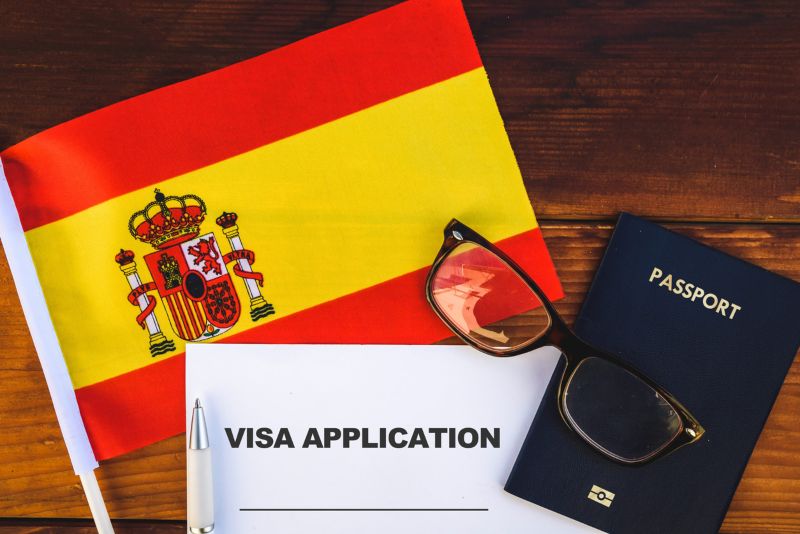

Slovenia’s digital nomad route is a temporary residence permit, not a visa. The permit can last for up to one year, and the Slovenian government says digital nomads may reunite with eligible family members immediately, without waiting for a minimum period of residence or for a particular amount of time to remain on the permit.
That distinction matters when a family is planning a move. A visa may help you enter a country, while a residence permit governs the basis on which you live there. For Slovenia, your family plan needs to account for both the remote-work permit and the separate residence position of each family member.
Imagine Lena checking documents at her kitchen table in Ljubljana. Her partner is making coffee, their daughter is colouring beside a pile of passports, and Lena has opened the government guidance on her laptop for the third time. Their rental search is already under way. If the permit route turns out to cover only Lena, the family may have to delay the move, change the housing plan, or reconsider whether the school year can begin in Slovenia.
The risk is concrete. A family could commit to travel and housing before confirming how each person will apply. That can leave one person with a clear residence route and another with an unresolved question. Lena has three browser tabs open, but no organised evidence file. She is still unsure which documents belong to her application, which belong to her family members, and where each application must be filed.
The decision changes when she separates the questions. First, does she fit Slovenia’s definition of a digital nomad? Second, can her family members use the family-reunification route? Third, where must each application be submitted? Only after those answers are recorded should the family make firm travel and housing commitments.
Identify the temporary residence-permit route
Slovenia introduced a temporary residence permit for digital nomads on 21 November 2025. The government describes a digital nomad as a foreign national who is not a citizen of an EU or EEA country and who works remotely through information and communication technologies.
The work must be connected to a business entity outside Slovenia, under employment or a civil-law contract, or to self-employment abroad. The central point is that the person is working remotely for an overseas activity and is not entering the Slovenian labour market.
That makes the category different from a general work route. The government states that digital nomads do not need the permit normally issued by the Employment Service of Slovenia because labour-market admission requirements do not apply to them under this route.
For family planning, start with a personal eligibility file rather than a shared family folder. The principal applicant should be able to explain:
- Their nationality and whether they are outside the EU and EEA definition described by the government.
- The location of the business or client relationship connected to their remote work.
- Whether their employment, civil-law contract, or self-employed activity is based outside Slovenia.
- How the work is performed remotely through information and communication technologies.
- What evidence supports the remote-work arrangement.
- How they will demonstrate sufficient means of subsistence.
The government states that the required monthly funds amount to at least twice the average monthly net salary in Slovenia. It also says that proof may come from any lawful sources of income, as with other categories of foreign nationals. Because the calculation refers to the most recently published average gross salary in the Official Gazette, do not copy an old figure from a blog or assume that a number found in a forum remains current.
Record the source and the date you checked it. If your income comes from more than one lawful source, keep the evidence organised so the responsible authority can assess the full picture. The exact documents and presentation required for your circumstances should be confirmed with the Slovenian authority handling the application.
A visa may still be relevant to travel or entry depending on nationality and circumstances, but it does not replace the residence-permit analysis. Treat entry permission, residence permission, and family members’ individual applications as separate planning questions.
Confirm family reunification eligibility
The most important family-planning point in the official guidance is the timing rule. Slovenia says digital nomads may reunite with their family members immediately, without restrictions linked to the duration of the digital nomad’s residence in Slovenia or the validity of the digital nomad’s permit.
That is a valuable distinction for families planning a move together. It means the family route should be investigated at the same time as the principal applicant’s permit, rather than assuming that the principal applicant must first live in Slovenia for a qualifying period.
The wording still requires careful reading. “Family members” is a legal category, and the government page does not turn every personal relationship into automatic eligibility. Before booking travel, identify each person who may apply through family reunification and confirm that person’s relationship category with the responsible Slovenian authority.
Build a separate evidence file for each family member. Depending on the relationship and the authority’s current instructions, that file may need identity records and evidence of the family relationship. Do not assume that one translated or scanned document will satisfy every requirement. Confirm whether documents need translation, certification, legalisation, apostille treatment, or another form of verification.
The family file should also answer practical questions that are easy to overlook:
- Which family member is the principal digital nomad applicant?
- Which people are applying through family reunification?
- Will applications be filed together or separately?
- Where will each person submit an application?
- Does every applicant have a valid travel document for the intended process?
- Are names, dates, and relationship details consistent across all records?
- What happens if one family member’s evidence is incomplete?
This is where Lena’s plan becomes more manageable. She creates one folder for her remote-work and financial evidence, one for her partner, and one for their daughter. She adds a simple table showing the relationship each person has to the principal applicant and leaves a blank column for the authority’s confirmation of the filing route.
She still does not have a final answer about every document. That is acceptable at this stage. The important change is that an unanswered question is now visible. It cannot quietly disappear under a housing contract or a flight booking.
For a related planning perspective, read What Must Your Family Prove Before Booking a Digital Nomad Year in Slovenia?. Use it as a preparation aid, then verify the current requirements with the official source.
Plan the one-year permit window
The Slovenian government says the digital nomad temporary residence permit may be issued for up to one year. It cannot be extended. A person may reapply for the same type of permit six months after the previous permit expires.
That creates a planning window, not an automatic long-term residence path. A family considering Slovenia should decide what “one year” means for them before making commitments. Are they planning a defined temporary stay? Are they testing a possible future move? Are they expecting to remain beyond the permit period? Each answer changes the questions they need to ask.
The permit’s end date should appear in the family’s central relocation calendar. Add reminders well before expiry to review:
- The exact validity dates on every permit.
- Whether the family’s residence documents share the same end date.
- Whether the family plans to leave Slovenia, reapply after the permitted interval, or investigate another lawful residence purpose.
- Whether employment or another change in circumstances could create a different residence route.
- Whether travel plans could affect the family’s ability to follow the relevant process.
The government also says that a digital nomad who decides to continue residing in Slovenia for another reason, such as taking employment in the country, may apply during the validity of the digital nomad permit for another type of temporary residence permit based on a different purpose of stay.
That possibility should not be treated as a promise or a shortcut. It means the family should avoid building a plan around an assumed extension. If the purpose of stay changes, the family needs a fresh assessment of the route, requirements, timing, and effect on each person’s status.
Return to Lena’s kitchen table. She has moved the permit expiry date from a note on her phone into a shared family calendar. Six months before expiry, the calendar will prompt the family to review the official position. Three months before expiry, they will check whether their work, housing, schooling, and travel plans still fit the residence route they are using.
The difference is small but practical. The family is no longer treating the permit as an indefinite foundation. They are planning the year they have been granted and setting a deliberate review point before the final weeks become urgent.
Check the current filing route
The filing location depends on where the applicant is when applying. The government says foreign nationals must apply for the digital nomad temporary residence permit at any Slovenian diplomatic mission or consular post abroad.
People who are already legally residing in Slovenia may submit their application at any administrative unit in Slovenia. This is one of the details that can change the family’s sequence of actions. A person abroad and a person already legally present in Slovenia may not use the same filing route.
Before arranging travel, write down the intended filing location for each applicant and verify it against current official guidance. Do not rely on an old relocation article, a social-media comment, or advice given to someone with a different nationality and residence position.
Ask the responsible authority to confirm:
- Whether the selected diplomatic mission or consular post can receive the application.
- Whether each family member submits through the same location.
- Whether an appointment is required.
- Which documents must be presented in original form.
- Which documents require translation or additional certification.
- Whether any part of the process must be completed in person.
- How the authority wants missing or corrected evidence supplied.
Keep the questions and answers with the application file. A short written confirmation can prevent a family from arriving with the right documents at the wrong place.
Aqee can help turn this preparation into a guided relocation plan, but it cannot replace the Slovenian authority’s decision or provide legal advice. The useful role is practical: keep the route, people, documents, dates, and local-settlement tasks together so the family can see what has been confirmed and what still needs an answer.
That same approach works across countries. For comparison, the Japan digital nomad status: six-month planning guide shows why duration and family logistics should be planned together rather than treated as separate travel details.
What to do next
Start with a personal eligibility check. Write one plain-language paragraph describing who will work, for which overseas activity, from where, and under what arrangement. Compare that paragraph with the Slovenian government’s definition of a digital nomad.
Then create one evidence file per person. Include identity records, relationship evidence where relevant, remote-work evidence for the principal applicant, lawful income evidence, and a list of questions for the authority. Leave room for the answer to change your plan.
Next, confirm the family route. The current government guidance says family reunification is available immediately for digital nomads, without a minimum residence-duration restriction or a restriction tied to the validity period of the principal applicant’s permit. Confirm how that rule applies to each person in your family and what evidence the authority requires.
After that, confirm the filing location. If you are abroad, check the Slovenian diplomatic mission or consular post route. If you are already legally residing in Slovenia, check the administrative-unit route. Confirm the process before committing to flights, housing, school arrangements, or a move date.
Finally, plan the year as a defined permit window. Put the permit dates in a shared calendar, schedule an early review, and avoid assuming that the digital nomad permit can be extended. If your purpose of stay may change, investigate the alternative route while the current permit remains valid.
Create an Aqee local-settlement checklist. Add the residence tasks alongside the practical jobs that begin after arrival, such as finding a home, setting up local services, learning where to handle routine errands, and building a first-week plan for the family. The goal is a move where the paperwork has a place, the questions are visible, and the first walk through Ljubljana feels like the beginning of life there rather than another appointment to survive.
Sources
- Government of Slovenia, temporary residence permit for digital nomads, checked 2026-09-24.
- Government of Slovenia, digital nomad permit duration and family reunification, checked 2026-09-24.
- Government of Slovenia, digital nomad permit application route, checked 2026-09-24.
Related Aqee guide
Keep the practical follow-up in your wider move plan with Aqee’s immigration-paperwork guide.