
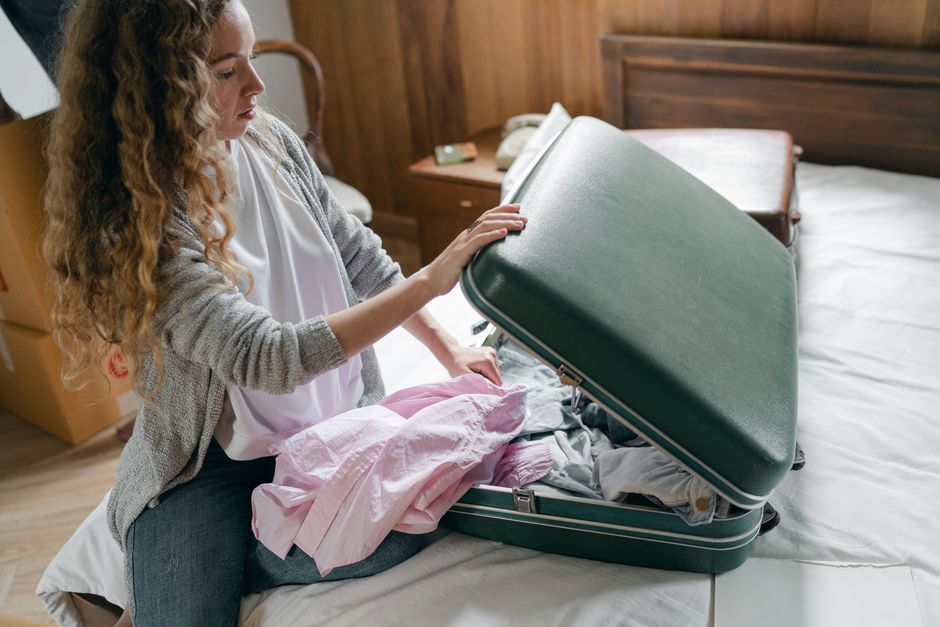
Pack the documents, power, and contacts that help you get a Colombian SIM and confirm a short-term address on your first day. Leave behind anything that adds weight without helping you connect, navigate, pay, or prove where you are staying.
In 1970, Apollo 13 was already in trouble when mission controllers in Houston faced another urgent problem: the spacecraft’s square carbon-dioxide filter cartridges did not fit the lunar module’s round opening. The crew needed an adapter from materials already aboard. NASA’s account of the mission documents how engineers worked out a solution using available supplies, then relayed the process to Jim Lovell, Jack Swigert, and Fred Haise.
Your first 24 hours in Bogotá carry smaller stakes, but the packing logic is similar. A suitcase can hold plenty of things. The useful question is whether you can reach the one thing you need before opening it in a hostel lobby, an apartment building entrance, or a café near Parque de la 93.
Pack a first-day pouch, not a second junk drawer
Put your arrival essentials in one pouch that stays with you, not in checked luggage. Include your passport, any documents you may need to show, a charging cable, power bank, payment card, a small amount of backup cash, and the booking confirmation for your first place to stay.
Save that booking confirmation in more than one place. Download it for offline access, keep a screenshot, and send it to an email account you can open from another device. Include the full address, the host or reception contact, and clear arrival instructions if you have them.
A short-term address may only be temporary, yet it gives your first day a fixed point. You can tell a driver where to go, contact your host if plans change, and stop making every decision while carrying your luggage.
Keep your phone unlocked and charged before departure. You may need it to contact your accommodation, check maps, receive a message, or sort a Colombian SIM. The physical SIM itself is small. What matters is having the identity documents, payment method, and battery to complete the setup when you find a suitable provider.
Give every extra item a first-24-hours job
The night before departure, hold each extra item to a simple test: will this help me get connected or reach my short-term address within a day of landing?
If the answer is no, it belongs in checked luggage, gets replaced with a lighter version, or stays behind.
A second pair of shoes may be worth bringing. A heavy book you will not open until next month probably is not. The same goes for duplicate toiletries, kitchen items, and clothes packed for every possible future version of Bogotá weather. Your first task is to arrive with enough energy and space to solve the next practical problem.
This is also why a printed card with your accommodation details can earn its place. Phones lose signal, batteries drain, and copied addresses can disappear into a message thread. A small piece of paper with the address and contact details gives you a fallback that does not need Wi-Fi.
For more on keeping your landing checklist useful before you have a permanent address, see The 20-Minute Seoul Landing Checklist Before You Have a Korean Address.
Make the SIM plan before the plane door closes
Write down your immediate phone plan before you leave: how you will contact your host, where your phone can connect if mobile service takes longer than expected, and who should know your arrival details. Download an offline map of the route from the airport area to your accommodation. Save the address in the format your map app recognizes.
Do not rely on one app, one screenshot, or one person being available at the exact moment you land. Send your address and travel details to someone you trust. Keep the host’s contact information somewhere you can reach without searching through old emails.
A first-day SIM can make a new city feel less distant. You can message your host, check a map, and change plans without hunting for a connection. But it becomes far easier to arrange when your key documents and payment method are within reach rather than under a week’s worth of clothes.
Leave room for the problems you cannot predict
Apollo 13’s engineers did not solve their problem with the ideal equipment. They solved it with what was available, because the crew could not wait for a better option.
Pack for that kind of flexibility. Keep a little empty space, protect your phone battery, and make your address details easy to find. If your arrival changes, your host is slow to reply, or your first SIM option does not work out, those small preparations give you room to choose the next step calmly.
Before you zip the suitcase, put the first-day pouch by the door. Tomorrow, it is the bag that matters most.


