
Testing the real Friday-evening commute before you sign a Chicago lease shows whether a low rent will work in daily life. Leave the viewing, take the route at the hour you will use it, and notice the wait, transfers, walking time, and energy you have left when you get home.
You have just seen the apartment. The kitchen is small but workable. The rent leaves room for groceries, a transit pass, and the occasional dinner out while you learn the city. The agent says the commute is straightforward.
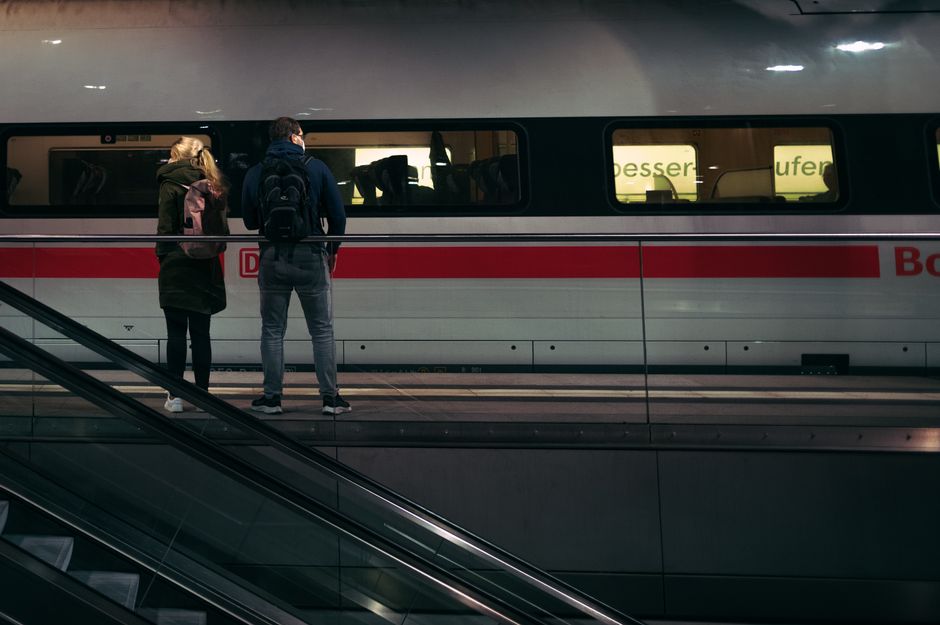
Then you reach a crowded Red Line platform on Friday evening.
A train arrives already full. You wait for the next one. A transfer that looked tidy on a map involves more stairs than expected. By the time you walk from the final stop to the apartment, the viewing has turned into a different kind of question: can you do this after a long week, in winter, carrying a laptop bag or groceries, when you are still learning where everything is?
A route can look fine until people use it
London learned a version of this lesson when the Millennium Bridge opened on June 10, 2000. The pedestrian bridge linked St Paul’s Cathedral with Bankside, and crowds crossed it on its first days.
The bridge began to move sideways under the number of people walking across it. It closed two days later while engineers studied the problem. Arup’s account of the project explains that pedestrians adjusted their steps to the bridge’s movement, which increased the motion. The design had to be modified before the bridge reopened in 2002.
Sir Norman Foster was one of the architects behind the bridge, but the useful part of this story has little to do with architecture. A route can look sound in plans and still behave differently at the moment real people fill it.
Your apartment commute has fewer stakes, thankfully. Yet the same principle holds. A quiet Tuesday viewing tells you about the flat. A Friday-evening trip tells you about the life around it.
Run the journey when it can disappoint you
The point of the test is not to find a perfect commute. Chicago is a large city, and a little friction comes with living in one. You are looking for friction that will keep showing up after the excitement of moving day fades.
Take the trip from the apartment to the place you expect to go most often, then come back at the time you are likely to return. If you work remotely, test the journey to the neighbourhood where you expect to meet people, run errands, or spend an evening. A cheap flat can feel far away when every social plan requires a long, tiring ride home.
Pay attention to the small things that maps flatten:
- How long does it take to reach the platform from the apartment door?
- Do you feel comfortable making the walk after dark?
- Is there space to stand with a bag, or does the crowd turn every ride into a squeeze?
- What happens if you miss one train?
- Where would you buy food or pick up essentials when you arrive home?
Write down the whole door-to-door time. Memory is generous after a pleasant viewing. Your notes are less easily charmed by bright windows and a good listing photo.
Treat the route as part of the rent
Housing costs are more than the number on the lease. The extra ride home after a late class, the car trip you take because the weather is rough, and the takeaway you order because shopping feels like too much all belong in the picture.
You do not need to predict every expense. You do need to spot the pattern early enough to choose with open eyes.
A practical way to compare apartments is to give each one a short score for the parts that affect your week: door-to-door travel, walking comfort, grocery access, and how easy it feels to say yes to a Friday plan. Use the same test for every place. A slightly higher rent near the life you want may be the calmer choice.
Keep a separate list for address-dependent admin, too. Your lease can matter later when you register locally or handle a residence permit renewal, so make sure the address and tenancy details match the documents you will need. Ana’s lease mismatch. Her permit plans were at risk. is a useful reminder to read those details before they become urgent.
Let one ordinary evening inform a big decision
The Friday commute test also gives you something harder to measure: a first glimpse of belonging. You may notice a café where you could sit with a book, a grocery store you would use, or a park you would want to visit on Sunday. You may also notice that the route leaves you feeling cut off from the parts of Chicago you came to enjoy.
That information is worth more than a fast answer from an apartment agent.
The Millennium Bridge did not reveal its problem in a drawing. It revealed it when Londoners crossed it together. Let your potential commute do the same. Test it at its busiest, take notes before the details blur, and choose the home that leaves room for your actual week.


