
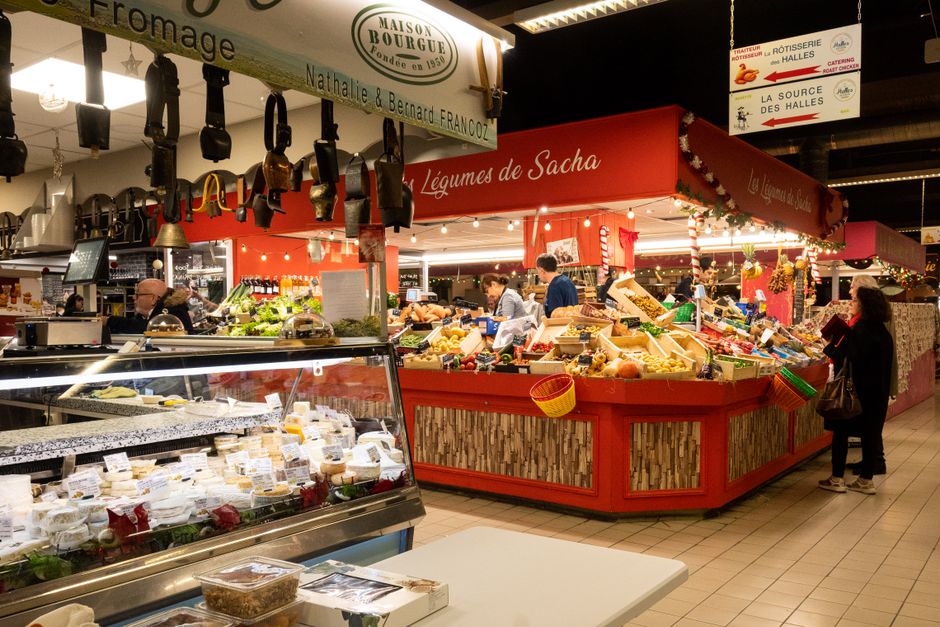
When your relocation admin is finally under control but Dakar still feels unfamiliar, give yourself one small local quest: visit Marché Kermel, explore its circular market hall and fresh-produce stalls, then ask someone who knows the city what to try nearby. A specific destination and one human recommendation can turn an anonymous afternoon into the beginning of a routine.
In 1969, urbanist William H. Whyte began examining a puzzle in New York City. Some public spaces attracted people. Others, built for the same city and often created under the same planning rules, stayed empty.
Whyte and his Street Life Project observed what people actually did. They watched where people sat, met, paused and moved through public plazas. The findings, later documented in Whyte’s book The Social Life of Small Urban Spaces, showed how ordinary details and the presence of other people helped make a place inviting.
His method offers a useful lesson for your first weeks abroad: a city becomes easier to understand when you stop treating it as a map and start noticing how people use it.
Give the afternoon one clear destination
Once the visa checklist, residence permit tasks and document reminders quiet down, you may expect to feel settled. Instead, you can find yourself with free time and no idea where to go.
A blank afternoon creates too many decisions. Which neighbourhood? Which café? Which dish? Is a place genuinely popular or simply prominent online? Staying home becomes the easiest option, even when you want to explore.
Reduce the choice to one destination: Marché Kermel.
The circular market hall gives the outing a clear centre. Walk around the fresh-produce stalls. Notice what people stop to inspect and which ingredients appear again and again. You do not need to understand the whole market, buy a full basket or plan a perfect afternoon. Your first task is simply to arrive and look around.
That small finish line matters. “Explore Dakar” is too large to complete. “Visit Marché Kermel” is a quest you can finish today.
Let the market teach you how Dakar moves
Whyte learned about public spaces by watching real behaviour rather than relying only on plans and theories. You can use the same approach on a smaller scale.
At Marché Kermel, pay attention to the practical details that maps rarely explain. Where do people pause? What produce seems familiar, and what do you want to identify? Which nearby streets appear busy at this time of day? What catches your attention enough to make you curious?
Choose one manageable action while you are there. Buy a piece of fruit you recognize. Ask the name of something you do not. Save the location so you can return without checking every turn. Take a photograph of a nearby landmark that will help you recognize the approach next time.
These modest actions create useful memory. The market stops being a pin on your phone and becomes a place you know how to reach, enter and navigate.
This is the same principle behind turning an unknown route into a familiar one. A single purposeful errand gives you landmarks, decisions and a reason to repeat the journey, as explored in this Auckland story about making a bus journey repeatable.
Ask for one recommendation, not the whole city
Your next quest begins with a short question.
Ask someone further along in Dakar what they would try nearby. This could be a classmate who arrived last year, a colleague, a neighbour or another member of your expat community. Keep the request narrow:
“What would you try near Marché Kermel?”
A focused question is easier to answer than “What should I do in Dakar?” It also invites the kind of detail that broad travel lists often miss: a nearby dish, a pleasant place to pause or a simple addition to the route.
Treat the recommendation as a lead rather than a guarantee. Places change, personal tastes differ and practical details can shift. Check current information before making plans, particularly when timing, cost or availability matters.
Then choose one suggestion. You can save the others for later. Too many recommendations recreate the same problem as a blank afternoon: endless options and no clear next move.
Turn one visit into a foothold
A first outing does not need to make Dakar feel like home. It needs to make the next outing easier.
After Marché Kermel, record three things: how you reached it, one detail you want to remember and the nearby recommendation you want to try next. That gives you a completed quest and a ready-made follow-up.
Whyte’s observations in New York showed that public life becomes visible through specific human behaviour: sitting, pausing, meeting and choosing where to spend time. Your own understanding of Dakar can grow the same way, one observed place and one conversation at a time.
Next time the city feels too large, you will have somewhere to begin. Return to the circular hall, recognize the fresh-produce stalls, then follow the recommendation you saved.