A calm first Monday in Mexico City starts with three priorities: confirm a temporary home, secure reliable local connectivity, and check your immigration status against your documents and current official guidance. Finish those in that order, then let lunch at Mercado de Coyoacán mark the first win of your new life abroad.
In April 1970, Apollo 13 was drifting away from Earth after an oxygen tank exploded in space. The original Moon landing plan was gone. Commander Jim Lovell, Jack Swigert, Fred Haise, and the teams at NASA’s Mission Control in Houston faced several urgent problems at once, each capable of threatening the crew’s return.
They did not try to solve the entire mission in one frantic move. They worked the problems in sequence: preserve power, maintain breathable air, establish a route home. NASA’s account of the mission documents how disciplined priorities helped turn a widening crisis into a safe return.
Moving to Mexico City carries nothing like those stakes. The useful parallel is much simpler: when everything feels urgent, sequence creates calm.
First, establish a temporary base
Imagine a newcomer named Maya arriving with two suitcases, a tired phone battery, and twelve open tabs about apartments, residence paperwork, bank accounts, transport, and Spanish classes.
Her first task is smaller than “find a home in Mexico City.” She needs a temporary place where she can sleep, receive messages, secure her belongings, and think clearly for the next stretch of the move.
Before paying or committing, she checks the address, total cost, cancellation terms, access instructions, and the identity of the person or platform handling the booking. She saves confirmation details somewhere available offline. She also notes what the stay includes, because assumptions about laundry, kitchen access, deposits, or guests can become expensive surprises.
A temporary home buys breathing room. It lets her explore neighborhoods in person before making a longer commitment. Roma Norte, Juárez, Escandón, Coyoacán, and other parts of the city can feel quite different once daily routines enter the picture. A map cannot tell her how a morning walk, evening return, grocery run, or work call will feel.
The goal for Monday is a dependable base, not a permanent answer.
Next, make your phone useful outside Wi-Fi
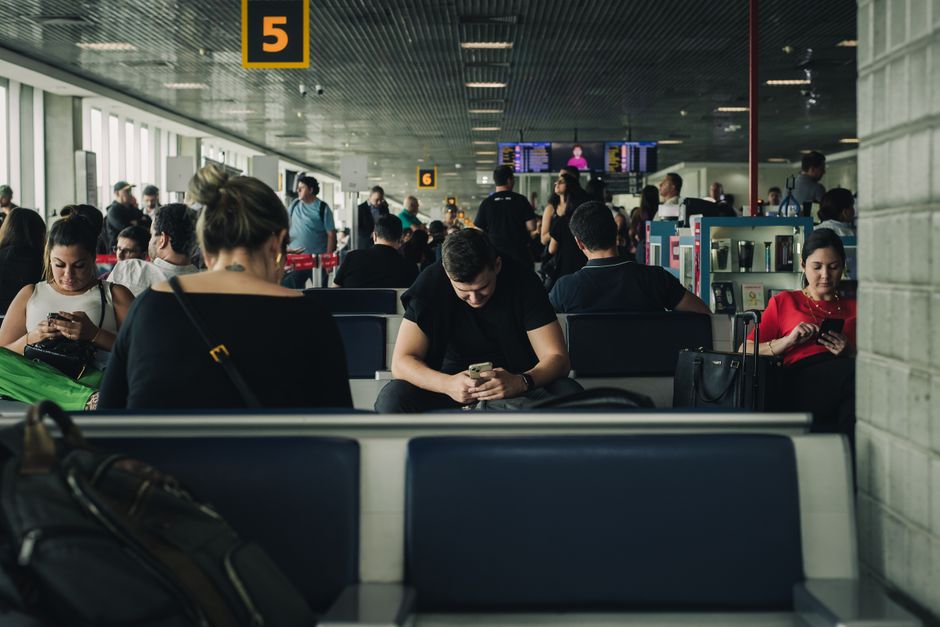
Once Maya knows where she is sleeping, she turns to connectivity. She needs her phone for directions, messages from the host, translation, transport, account verification, and calls if plans change.
She checks whether her current plan works locally and what it charges. Then she compares suitable local SIM or eSIM options without assuming the first airport offer is the best fit. Compatibility, activation requirements, data allowance, and renewal terms matter more than a flashy introductory promise.
Before leaving reliable Wi-Fi, she downloads the temporary-home address, access instructions, essential documents, and a map of the surrounding area. She writes down one backup contact too. A charged power bank goes into the day bag.
This step deserves priority because several later tasks depend on it. An immigration appointment, rental viewing, or bank visit becomes harder when a verification message never arrives.
Connectivity also reduces isolation. A working phone makes it easier to tell someone you arrived, join a local group, or ask a new classmate or colleague where they actually buy groceries nearby. Those small exchanges begin turning an unfamiliar city into a place with reference points.
Then, check what your immigration status requires
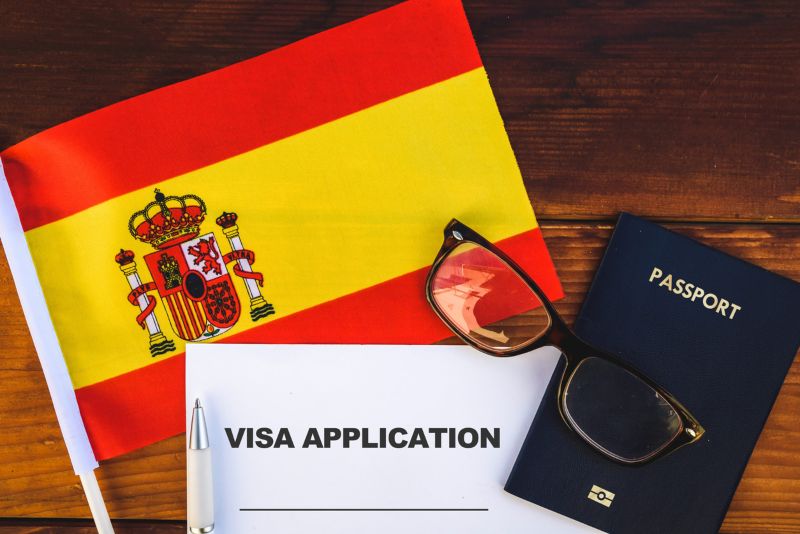
With shelter and connectivity settled, Maya opens her passport, entry record, approval letters, and any documents connected to her reason for moving.
She does not rely on a travel forum post saved months ago. Immigration rules and procedures can change, so she checks current official guidance and compares it with the status shown in her own documents. If anything is unclear, she records the question and seeks qualified help before making assumptions.
This is where Aqee’s starting question matters. A student, an employee, and a remote worker may arrive with different documents and next steps. Naming what drives the relocation helps shape a relevant journey instead of handing every newcomer the same oversized checklist.
Maya records any known renewal point, saves copies of supporting documents, and notes where the originals are stored. If a requirement remains uncertain, she marks it as unresolved. Honest uncertainty is useful; a guessed answer is not.
The principle also applies beyond Mexico City. A Vancouver Day 0 list uses the same discipline: reduce competing tabs to the few actions that protect the rest of the move.
Let lunch mark completed priorities
By lunchtime, Maya has not “finished moving abroad.” She has done something more useful. She has a secure place for the immediate future, a phone that works when she leaves Wi-Fi, and a clear record of what her immigration status requires or what still needs verification.
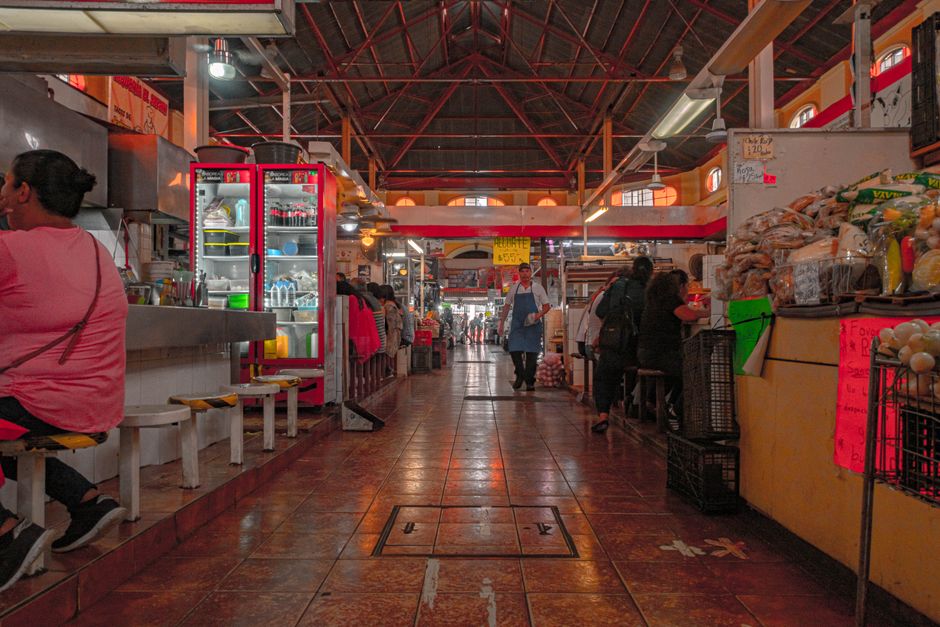
Now she heads toward Mercado de Coyoacán. The tostada stalls offer a concrete reward after a morning of careful admin: choose lunch, sit down, and notice that the day has shifted. Mexico City is no longer a wall of unresolved tasks. It has a route, a meal, and a next step.
NASA’s Apollo 13 teams still had problems ahead after choosing their first priorities. Their progress came from solving the right problem at the right time. Your first Monday can follow that same modest rule.
Open your relocation list before breakfast. Put temporary shelter first, connectivity second, and immigration-status verification third. Leave everything else below the line until lunch.