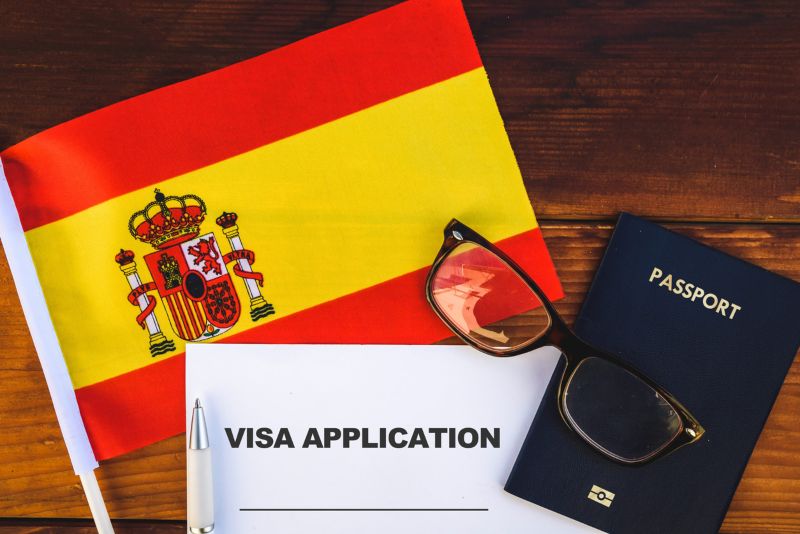
Once your visa or residence permit gets renewed, the biggest question that’s been hanging over you finally has an answer: you get to stay. The second-order realization, that you can now plan for a future here instead of just surviving until the next document deadline, often takes longer to land. The freedom to explore usually comes only after you’ve stopped expecting the ground to shift beneath you.
Yuki had just closed her email with the notification of her residence permit approval when her manager pinged the group chat about a weekend hiking trip two hours from the city. She scrolled past it. In six months she’d become expert at scrolling past. The moment she hit ‘send’ on that first renewal email, all the small wants (trying that restaurant her coworker mentioned, the neighborhood with the narrow streets that looked interesting on a map, the art district that supposedly came alive on Friday nights) went quiet. The approval to be here had to come first; everything else could wait. It was the only way to protect the thing she wanted most: to actually stay.
But now she had the approval. Thursday evening at 7:47pm, with nothing left to submit and no documents waiting for a follow-up, she realized something: the person who had permission to explore and the person who had spent six months protecting her future were still living in the same mind. One didn’t know how to stop, and the other didn’t know how to start.
The Habits Admin Built
Your visa renewal consumed something real: time, attention, the small courage it takes to walk into unfamiliar spaces when you’re not sure you’re staying. For months or weeks, every fragment of mental bandwidth went toward proving to an official somewhere that you belonged here. Survival, yes. But survival mode leaves a mark. Even after approval arrives, your brain stays in threat-detection. You skip the neighborhood you haven’t walked through. You decline the invitation. You order delivery from the same place. These decisions feel cautious; what they really are is the last echo of the protection instinct you ran for months.
The isolation that comes with renewal-in-progress doesn’t dissolve the moment an email arrives. You’ve been so focused on getting permission to be here that you haven’t built the infrastructure of connection that makes a place feel like home. No regular café, no route you know by heart, no person who’s expecting you anywhere. So even when the admin ends, the habit of staying small doesn’t lift on its own.
What Renewal Actually Permits
The shift from “I need this permit to happen” to “I can make plans because I know I’m staying” is smaller than it sounds and larger than you’d think. You can book a trip for three months from now without wondering if the timing will collide with a renewal deadline. You can join that hiking group knowing you’re not borrowing time. You can commit to being the person who has favorite spots, who knows which café opens early, who has plans for Saturday. That person becomes real and not contingent.
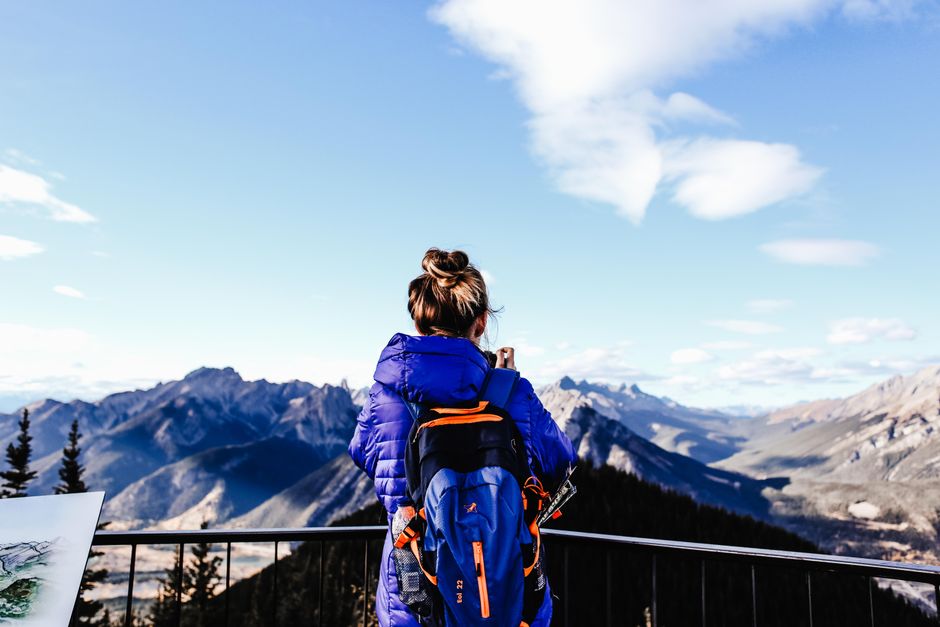
Yuki said yes to the hiking trip. Just like that. One text: ‘I’m in.’ Three weeks later, she didn’t realize how much she’d been holding her breath until she’d been standing on a ridge for forty minutes with her eyes on the city below, wondering which neighborhood she’d explore first on the way back. The trip was good. But the thing that changed was simpler: she’d given herself permission not to earn the right to be there, but to use it.
Starting From Where You Are
If your renewal just came through, you don’t need a five-year plan or a perfectly curated list of things to do. You need one small thing (a place to go, a class to try, a person to meet up with) that you commit to in the same way you committed to those emails. Build your life here the way you built your case for renewal: one step, one detail, one small commitment at a time.
Start with what your coworker mentioned. Try the restaurant. Walk the neighborhood that looked interesting on a map. You become rooted through repetition, not through a grand plan. Your renewal isn’t buying back time to prove something to immigration anymore. You’re using it to figure out who you want to become in this place. The confidence comes later, usually while you’re already there, doing the thing. The confidence grows from the trail, not the map.