
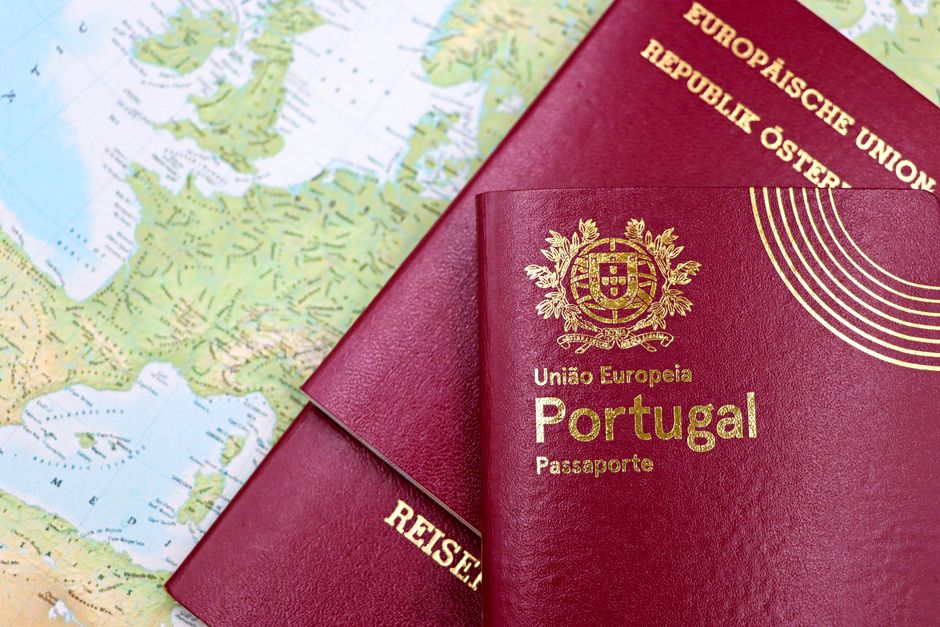
Europe’s Entry/Exit System is now part of the border process, so prepare for extra steps at your first eligible crossing and leave room in your arrival plan. Before you travel, confirm your documents, check the official guidance for your route, and avoid booking anything essential immediately after landing.
At 8:40 p.m., Noor stood in the arrivals queue at Lisbon airport with a phone at 6% battery, a paper folder pressed to her chest, and the address of her temporary room open in a browser tab. A family with a tired toddler was ahead of her. Her host had said they could meet only until 10 p.m.
The queue moved, then paused. Missing that pickup could mean finding a late-night place to stay with luggage and no local number. The move had barely begun, and the first plan was already under pressure.
Treat your first border crossing as a real appointment
The Entry/Exit System changes what Day 0 can feel like for international travelers. Your border crossing deserves the same planning you give a visa appointment, a rental viewing, or a first-day university registration.
Build a buffer after arrival. Do not schedule a landlord meeting, a train connection you cannot miss, or your first shift at work too close to landing. Border queues vary, and a new process can take longer when staff or travelers are getting used to it.
Keep the essentials together before you board:
- Your valid travel document and any documents that support your right to travel or stay.
- Your destination address, accommodation details, and onward plans if relevant to your trip.
- A charged phone, power bank, and offline copy of key confirmations.
- A pen and a small amount of local currency, if you expect to need them before you reach your accommodation.
The folder matters less than being able to find one document without unpacking your whole life at the counter.
Check the rules for your exact trip before you leave
“Europe” is not one border experience. Your nationality, travel purpose, destination, route, and residence status can affect what happens next. Use official travel guidance for the countries on your itinerary, then check again if your connection or plans change.
This is especially important for a scouting trip that may become a move. A short visit, a study arrival, a work relocation, and a residence permit renewal can involve different documents and different next steps. Keep your own timeline clear: when you enter, when you must register locally, and when any permit action needs attention.
Noor had assumed her arrival evening would be for buying a SIM card and learning the walk from the metro to her room. Instead, the border process took the time she had set aside for getting lost gently.
When she finally reached her host, she still had the address saved offline, enough battery to message, and one decision already made: the next morning would be for admin, not sightseeing. That small reset kept the first week from becoming a pile of half-finished tasks.
Make your arrival plan resilient, not packed
A good Day 0 plan has a version for a smooth arrival and a version for a long one. Put the non-negotiables first: reach your bed, get connected, eat something, and secure your documents. Everything else can wait.
If you are moving rather than visiting, separate “border day” from “settling-in day.” Local registration, bank appointments, apartment paperwork, and permit follow-ups are easier when you are rested and have your documents in one place. Helsinki Address Registration: Your First Monday Checklist shows why the first local admin task often needs its own calm window.
Save these details in more than one place:
- Your accommodation address and host contact.
- Emergency contacts and travel insurance information.
- Digital copies of your passport, visa or permit documents, and booking confirmations.
- The location of the original documents in your luggage.
Keep originals accessible but secure. A document you cannot reach in the queue is not helping you.
Turn the first crossing into one completed step
The border is one checkpoint in a longer relocation story. Once you arrive, write down what happened while it is fresh: where you entered, what documents you used, and any follow-up you need to make. This simple record can help when you are sorting your next admin task weeks later.
Then give yourself one small win. Charge your phone. Find your room. Learn how to buy breakfast nearby. Your new city will still be there in the morning.
For Noor, that morning started with coffee near her temporary room and a short list on her phone: local SIM, address registration, groceries. Her folder stayed closed until she needed it. The move had become manageable, one clear step at a time.


