
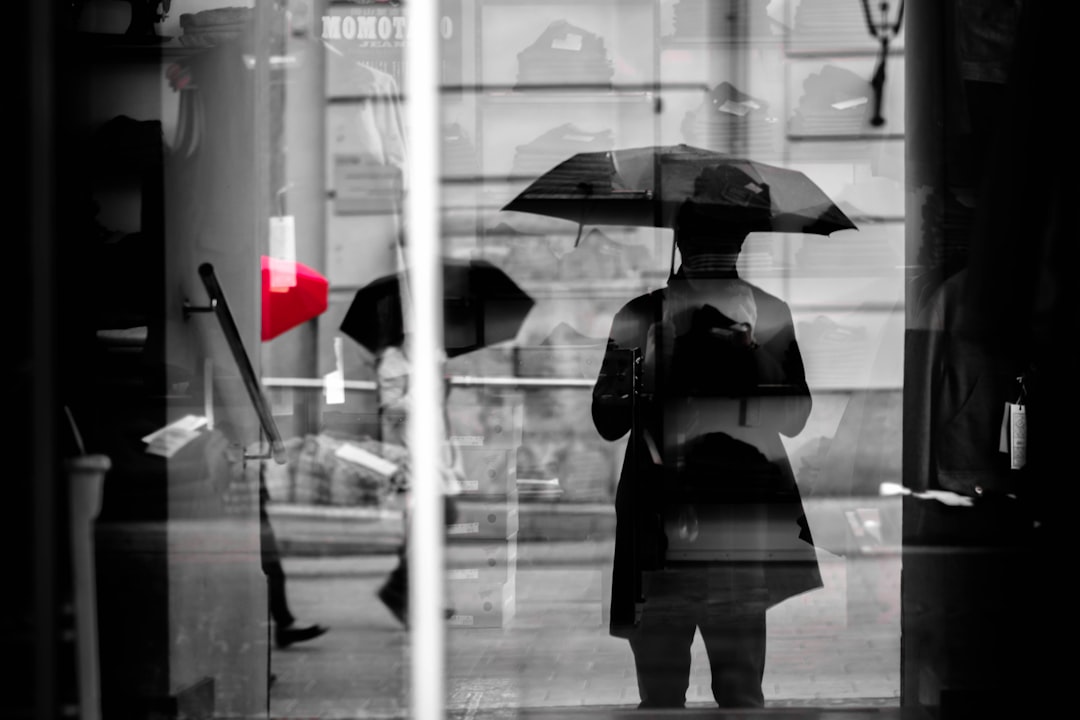
A rainy first walk from Britomart to Auckland Art Gallery can feel manageable when you treat Commercial Bay and the central-city arcades as shelter breaks, then save the exposed stretches for short crossings. Check the weather before you leave, keep your phone dry, and use each covered stop as a chance to orient yourself rather than rush.
At 11:40 on a grey Saturday, Lina stood outside Britomart holding a folded gallery note in one hand and an umbrella that had already turned inside out in the other. She had arrived in Auckland six days earlier, knew nobody beyond her flatmate, and had promised herself one small outing before another afternoon of unpacked boxes.
The gallery was close enough to look easy on a map. The rain made every unfamiliar corner feel farther away.
Her phone battery was low. Her jacket had no hood. If she got soaked now, the bad ending was small but real: she would retreat to her room again, decide Auckland was too hard to navigate, and lose the one plan that had made the weekend feel like hers.
She ducked into the Commercial Bay area, paused under cover, and stopped trying to complete the whole walk in one push. One dry section. One crossing. One covered entrance ahead. The route became a series of short decisions instead of a test she could fail.
Start with shelter, then make short crossings
Britomart is a useful place to begin because it gives you time to get your bearings before the weather asks you to move faster. Head toward the Commercial Bay area and use its covered spaces to sort the basics: zip your bag, check your map, and decide on the next sheltered point rather than following a blue dot through every open block.
This approach matters most on your first weeks in a new city. Rain changes a familiar route into a navigation problem when you do not yet know which entrances connect, where a lobby ends, or where you can pause without blocking everyone behind you.
Look ahead for the practical clues: awnings, indoor passages, building entrances, and arcades that let you keep moving without standing in the rain to rethink the route. You may still need to cross open streets. Make those crossings purposeful and brief.
Auckland weather can change its mind halfway through a coffee. Bring a compact umbrella if you have one, but do not build the whole plan around it. Wind catches umbrellas. Covered stops give you a backup.
Turn the walk into a first-week confidence task
For Lina, the change came when she stopped measuring the outing by whether she arrived perfectly dry. Her goal became simpler: find one sheltered stop, confirm the next turn, and keep going.
That is the useful trick behind a practical first outing. A new city asks you to learn dozens of tiny things at once: where to get out of the rain, which streets feel comfortable to walk, where you can buy a snack, and how long a short distance actually feels with a backpack on. A gallery visit can teach all of that without turning into an all-day mission.
Aqee is built around these small wins. Moving abroad involves documents and deadlines, but settling in also means collecting proof that you can handle an ordinary Saturday. A sheltered walk to a place you wanted to see counts.
If rain makes you hesitate, set a modest finish line. Reach the next indoor stop. Find the gallery entrance. Choose one room to visit before deciding whether you have the energy for more. You are building familiarity, one manageable step at a time.
Keep the important things dry and easy to reach
Rainy-city preparation is less glamorous than choosing a neighbourhood, but it can save an outing. Put your phone in an inner pocket or a small waterproof pouch. Keep a charged power bank if you rely on maps. Use a bag that closes properly, especially if it holds your passport, tenancy paperwork, or the notebook where you have written your new address.
Lina had put her gallery note in the outside pocket of her tote. By the time she reached a covered spot, the ink had begun to blur. It was a harmless mistake, but it made her reorganise the bag before she continued: phone and wallet closest to her, paper notes in a dry sleeve, umbrella last.
That small reset gave her more confidence than the umbrella had. She no longer had to keep stopping to check whether her essentials were safe.
The same principle applies to bigger relocation tasks. One clear place for important documents lowers the chance that a routine errand turns into a frantic search. If your first days still feel like a pile of bags and browser tabs, one Day 0 task can make tomorrow clearer.
Let the gallery be the reward, not the rescue plan
When Lina reached Auckland Art Gallery, her shoes were damp at the edges and her hair had escaped its clip. She had also found a route she could repeat. On the way back, she noticed the details she had missed while worrying: a place to warm up, a window display worth returning to, and the fact that the walk felt shorter once she knew where the covered pauses were.
That is the point of a first outing in a new city. You do not need to conquer every block. You need one route that becomes yours.
Before you leave Britomart, pick one sheltered stop near Commercial Bay, one central-city arcade or indoor passage to look for next, and one place at the gallery where you can pause when you arrive. Then step out when the rain eases and let the city teach you its shortcuts.


