
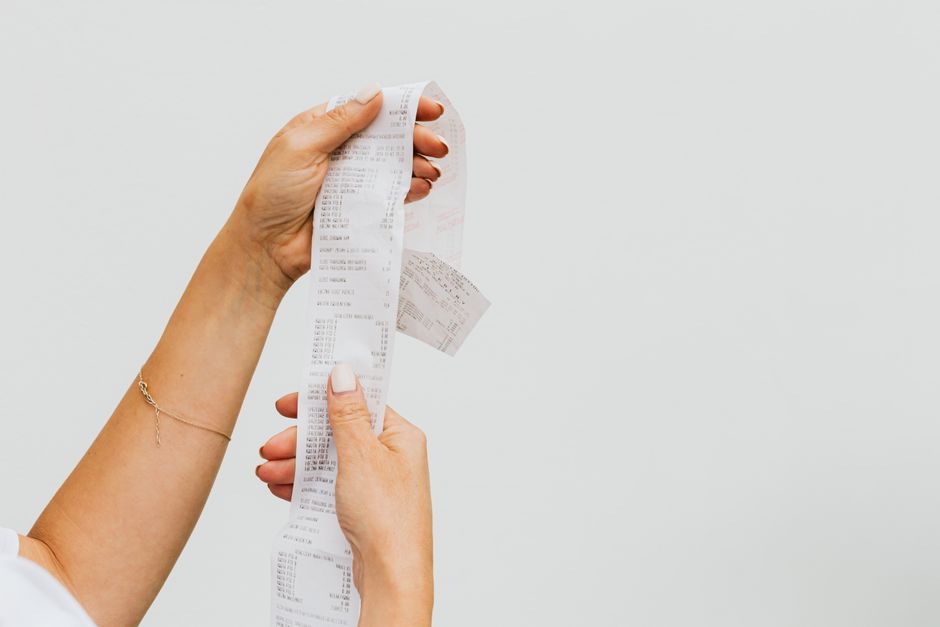
Your first Sydney budget needs a reset after the first grocery shop and a few Opal taps because arrival spending and everyday spending belong in different columns. Treat deposits, household basics, and setup purchases as one-offs, then use your first seven days to build a monthly baseline from the costs that repeat.
The receipt that changes the plan
At 6:20pm on her second Wednesday in Sydney, Mina stood outside a supermarket in Surry Hills with a bag cutting into her wrist and her phone open to the budget she had made before leaving home. She had planned carefully, including rent, food, transport, and a little room for weekend exploring. Yet the total on the receipt was higher than the food allowance she had imagined for an ordinary shop, and the Opal tap on the way there had already made “getting around” feel less abstract.
Her temporary accommodation ended that weekend. If she treated every first-week purchase as her new normal, she could panic and cut back too hard. If she ignored the extra spending, she could arrive at month two without enough set aside for rent and the practical costs still ahead.
That evening, Mina made one useful change. She stopped asking, “What did I spend this week?” and split every expense into two lists: “needed to begin” and “needed to live here.”
The first list held items she would not buy again next month, such as a towel, bedding, kitchen basics, and the small purchases that make a room usable. The second held groceries, transport, phone costs, and the coffees she bought while learning which streets led home.
The difference gave her a budget she could actually use.
Put every first-week purchase in one of two columns
Your first week can look expensive because it often contains two different kinds of spending at once. One-off setup costs are loud because they arrive quickly. Your monthly baseline is quieter, but it is the number that decides whether your plan holds.
Create two columns before you start trying to “fix” your spending:
- Setup costs cover the things that help you land: temporary accommodation, a bond or advance rent if applicable, household basics, a local SIM, basic documents or copies, and any luggage replacement or weather-appropriate clothing you genuinely need.
- Monthly baseline costs repeat: rent, groceries, transport, phone service, utilities where they are separate, medication, subscriptions, and a realistic amount for social plans.
A third small category helps too: irregular costs. Put medical appointments, travel to visit friends, replacing a broken charger, and occasional home items here. They may not arrive monthly, but they will arrive eventually. A little buffer stops them from becoming an emergency.
Keep the labels plain. “Pan, plates, detergent” is more useful than “miscellaneous.” “Train and bus taps” tells you more than “transport.” Your future self needs to see what changed, not decode a spreadsheet.
Use seven days of real life to find the baseline
Pre-move budgets are estimates. Your first week gives you evidence.
Save grocery receipts, check your transport history, and note what you spend between leaving home and getting back. Do not judge each purchase while you collect it. The goal is to see your actual pattern, including the days when you are tired, lost, or buying dinner because your kitchen is still half empty.
At the end of seven days, sort the repeating costs into a simple weekly picture. Groceries become easier to estimate when you can see one full shop plus the top-up items that followed it. Transport becomes clearer after you have made the journeys you will actually repeat, rather than one airport trip and a day of sightseeing.
Mina noticed that her first shop included olive oil, salt, a storage container, and cleaning supplies. They had made the total look like a weekly food bill, but they belonged in setup. Her second shop was smaller and more revealing: ingredients for breakfasts, packed lunches, and a few dinners at home.
She also saw that transport was linked to her routine. The taps from viewing rooms and walking unfamiliar routes were useful information, but they were not her settled pattern. Once she knew where she would live and work or study, she could update that line with more confidence.
For the first month, leave space for the unknown. A baseline is a working number, not a promise that nothing will change.
Cut the surprise costs before they become habits
The quickest way to make a first-week budget feel less frightening is to separate convenience spending from essential spending without shaming yourself for either.
A ready-made meal after a long housing viewing may be worth it. A second delivery because you forgot what was already in the fridge is usually a signal to plan one easy backup dinner. A short ride when you are carrying bags may be sensible. Taking the same costly option every day because you have not learned the route yet deserves a closer look.
Choose one reset habit for each repeating category. Make a grocery list before shopping. Keep a note of the meals you can cook with the same ingredients. Check your transport balance before leaving in the morning. Set a weekly amount for city exploring so a good Saturday does not quietly consume the money meant for Tuesday.
Your address can shape these costs too. Before you commit to a rental, keep copies of the address details and agreement. They may matter for practical tasks later, as this guide on keeping your address record explains.
By the following Wednesday, Mina’s budget looked less dramatic. She had a separate setup total, a weekly grocery figure based on food she would buy again, and a transport estimate that matched her real routine. Her phone still showed the first supermarket receipt, but it no longer got to decide what Sydney would cost every month.


