
Crowdsource the easy parts of moving to Chiang Mai, such as where to buy a desk lamp or find a quiet café. Send any question that could change your right to stay, your next immigration step, or an expiring document to an official source or a qualified professional.
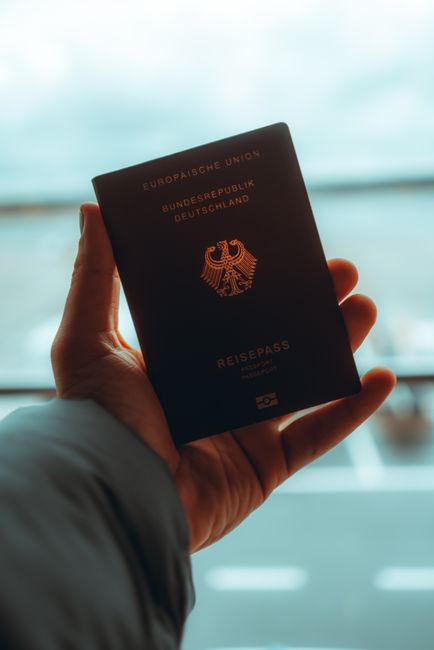
At 7:48 p.m., Nia sat near Nimman with her passport open beside an iced coffee that had gone warm. She had changed apartments, and a message in a relocation group had convinced her that the move “should be fine” for her current visa situation.
Then another reply appeared: “You need to report it straight away.” A third person disagreed. Someone else pasted advice for a different type of stay.
Her permission to remain was due to end soon. If the group’s confident answer was wrong, Nia could miss a required step and arrive at her next appointment with a problem she had not seen coming. The chat kept moving. Her situation did not.
The questions that deserve qualified help
A relocation group can be generous, fast, and full of people who remember their own paperwork panic. It can also mix together experiences from different years, different visa categories, different addresses, and different personal circumstances.
The risky question is usually phrased casually:
“Does moving apartments affect anything?”
“Can I leave and come back while this is pending?”
“Is this document still okay?”
“Do I need to do something before my current permission expires?”
Each question sounds like it needs a quick yes or no. The real answer may depend on details that a stranger in a comment thread cannot see, including the date on your document, the purpose of your stay, recent rule changes, and what you have already submitted.
That does not make every uncertainty an emergency. It does mean you need to sort questions by consequence. A wrong restaurant recommendation costs you dinner. A wrong immigration answer can disrupt the stay you worked hard to arrange.
Use the group chat for context, not a verdict
There is still real value in hearing from people who have moved to Chiang Mai. They can tell you what confused them, which paperwork they wished they had copied earlier, or what question helped them get a clearer answer from the right person.
Treat those stories as prompts to investigate, not instructions to follow.
A useful reply sounds like: “This happened to me last year. Check whether your current document and move date change the requirement.”
A risky reply sounds like: “You’re definitely fine.”
That small difference matters. The first reply gives you a lead while leaving room for your circumstances. The second asks you to place a deadline-sensitive decision on someone else’s memory.
Keep a short note as you research: what changed, when it changed, the document involved, and the exact question you need answered. That note turns a vague worry into something a qualified adviser or official channel can assess. It also keeps you from retelling the same scattered story to five different people.
A triage check can break the scroll-and-panic loop
Nia finally stopped refreshing the group. She wrote down the facts she knew: her current document, the apartment move, the upcoming expiry, and the question she needed answered before taking another step.
That is where guided relocation support earns its place. Aqee helps you recognize when a task has crossed from everyday settling-in into something that needs expert assistance, then points you toward relevant providers. The goal is clarity about the next move, not a confident guess from the internet.
A simple triage check can help:
- Does this affect your right to stay, work, study, travel, or renew?
- Does an existing document have an expiry date or a condition you may have changed?
- Would following the wrong answer be hard to undo?
- Are the replies based on a different visa type, year, or personal situation?
One “yes” is enough to pause the crowdsource search and seek qualified guidance. You do not need to prove that something has gone wrong before asking for help. You only need to notice that the cost of guessing is higher than the cost of checking.
For another example of why current details matter, read The April 1 Rule Change Lina Hadn’t Checked, and the Week It Could Upend.
Keep the move moving, one verified step at a time
The next morning, Nia had one clear question ready for the right source instead of twelve contradictory messages saved on her phone. Her passport went back into its cover. The iced coffee problem was gone too.
Moving abroad asks you to make hundreds of small decisions. Save your energy for the parts you can explore with confidence: a new neighborhood, a market you want to revisit, the route home after your first dinner with new friends.
For immigration decisions, write down the facts, verify the current requirement, and get qualified help before a deadline turns into a scramble.


