
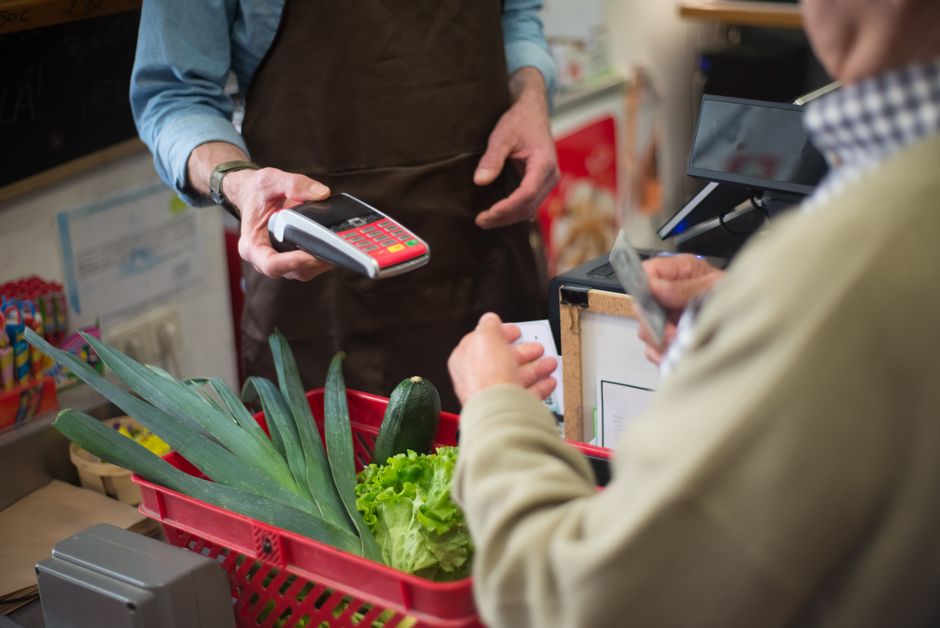
An overseas card can fail at a Christchurch supermarket because of bank security checks, payment settings, or a temporary network problem. The calm response is to use a backup payment method, buy only your first-day essentials, then sort out local transport and banking once the immediate pressure has passed.
You are standing at the checkout with bread, something easy for dinner, toothpaste, and a phone hovering near its last few percent. The card terminal declines your payment. You try again. Same result.
The queue still exists. Your bank is asleep in another time zone. Suddenly, buying groceries feels like one more test you did not know you had to pass.
This is where a Day 0 plan earns its place.
The Apollo 13 lesson: protect the essentials first
In April 1970, an oxygen tank exploded aboard Apollo 13 while astronauts Jim Lovell, Jack Swigert, and Fred Haise were travelling toward the Moon. The landing was abandoned. The immediate job became getting the crew home alive.
NASA had no single tidy solution waiting on a shelf. Mission Control worked through one urgent problem at a time. The lunar module became a lifeboat. Teams on the ground developed procedures for conserving power, correcting the spacecraft’s course, and reducing dangerous carbon dioxide levels.
NASA engineer Ed Smylie helped lead the effort to adapt square lithium hydroxide canisters for round openings using materials available aboard the spacecraft. NASA’s historical account documents how the improvised device was tested on the ground before Mission Control relayed the instructions to the crew.
The scale is incomparable, but the useful mechanism carries over: when the original plan fails, protect the essentials, switch to the available backup, and postpone everything that can wait.
At a Christchurch checkout, that means you do not need to solve international banking while your groceries sit beside the card reader. You need another way to pay, a smaller basket if necessary, and a quiet place to contact your bank afterward.
Build a payment backup before you need it
A second payment method can turn a stressful decline into a brief inconvenience. Before moving abroad, check whether another card works internationally and keep it separate from your main wallet. A modest amount of New Zealand cash can also help with small purchases when a card or phone wallet does not cooperate.
Avoid repeatedly retrying the same card without checking what happened. Your bank may have blocked the transaction, overseas payments may need to be enabled, or the terminal may be having trouble. Step aside, open the bank app or use the official support number, and confirm the cause when you have time and a reliable connection.
Your first supermarket trip also deserves a short list. Buy what gets you comfortably through the next day: food, water, basic toiletries, any essential medication you already use, and a charging option if you need one. The bigger shop can happen after your payment situation is stable.
This is one of the four practical Day 0 realities behind a smoother first month, alongside documents, housing, and local access. They are explored further in why your first month depends on four Day 0 realities.
Make the first Metrocard ride a small mission
Once the groceries are handled, give yourself one contained task: prepare for a first Metrocard bus ride.
Check the current official local guidance for where to obtain or load a Metrocard, since sales points and conditions can change. Save the journey details while you have Wi-Fi. Keep your destination written somewhere outside the transit app as well, especially if your battery is low or mobile data has not started working yet.
Choose an uncomplicated first destination. It could be the city centre, a nearby library, or a landmark you can identify without rushing. The purpose is to learn the rhythm: where you wait, how boarding works, what information appears during the trip, and how you will recognise the right place to get off.
That first ride gives Christchurch a little structure. Your accommodation is no longer an isolated dot. The supermarket, a useful public place, and the route between them begin to form a working map.
Turn Day 0 into a recovery sequence
Aqee frames relocation as a series of manageable steps because several small problems often arrive together. A declined card feels worse when it lands beside a weak phone battery, unfamiliar transport, and the suspicion that everyone else understands the city already.
Use a simple recovery order:
- Pay with your backup or reduce the purchase to essentials.
- Save the decline message and contact your bank through an official channel.
- Charge your phone and confirm your connection.
- Check current Metrocard guidance from the local transport source.
- Take one simple bus journey with the return plan saved.
Each completed step restores a little control. Groceries cover tonight. A working payment option covers tomorrow. One bus ride makes the city easier to enter again.
Apollo 13 returned safely to Earth because the crew and Mission Control kept replacing a broken plan with the next workable procedure. Your Christchurch arrival carries far lower stakes, but the habit is worth borrowing. Start with the square peg in front of you: pay for dinner, charge the phone, prepare the Metrocard, and make one useful journey.


