Feeling at home in Guadalajara can begin with one finished arrival task and one ordinary local ritual. On a Tuesday morning, that might mean closing the checklist after handling essential paperwork, then walking through Mercado de Abastos with enough headspace to notice what is around you.
Imagine Mateo, a composite newcomer who works remotely and still checks every document twice. At 8:10 on Tuesday morning, he is standing outside a local registration office with a plastic folder pressed against his chest. A clerk has pointed out a missing copy, and the queue behind him is growing.
Without it, he may have to abandon today’s appointment and restart a task tied to his residence permit. His phone battery is low. The document shop he passed earlier might be open, but he cannot remember which corner it was on.
For one long minute, the move feels fragile again.
Then Mateo checks the next step in his arrival plan. He had saved the document requirement, the address, and a note about the copy shop before leaving home. He retraces two blocks, gets the copy, and returns while the morning queue is still moving. When the task is marked complete, the little burst of progress feels disproportionate to the size of the checkbox.
That is how settling in often works. Confidence arrives through small pieces of proof: I found the place. I fixed the problem. I know what comes next.
A completed task changes the shape of the morning
The InterNations 2026 Expat Insider places Mexico first for Ease of Settling In. A ranking can describe the overall experience, but daily life gives it texture.
For Mateo, the change happens when he leaves the office. Yesterday, the same streets were directions between obligations. Today, he has finished the task that was occupying his attention. His shoulders drop. He no longer needs to rehearse what he will say at the counter.
A vertical video of this moment would barely look dramatic. The camera moves from the completed task on his phone to the pavement ahead. A bus passes. Someone rolls up a shopfront. Mateo turns toward Mercado de Abastos because a neighbor told him to go on a weekday morning and pay attention before buying anything.
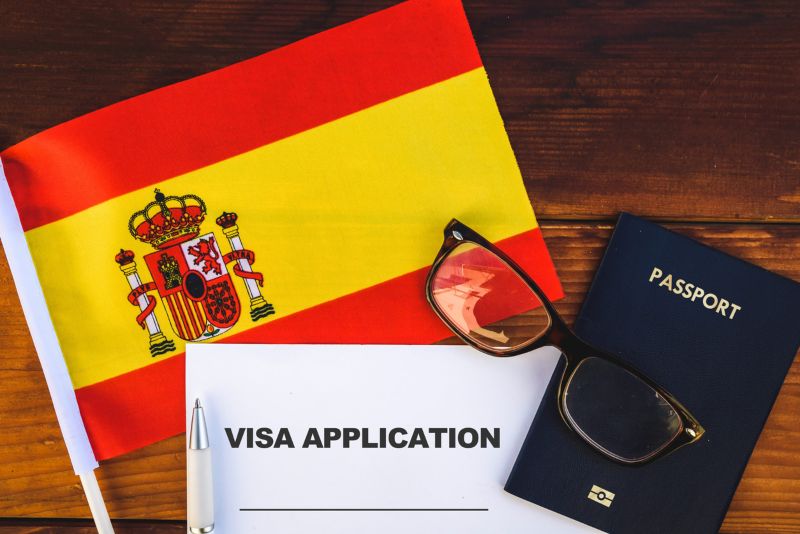
This distinction matters when you are moving abroad. Administrative progress creates room for curiosity. A visa checklist, document reminders, and a clear order of tasks do more than prevent missed steps. They protect the parts of relocation you hoped to enjoy.
The same principle applies before the flight. Building a reliable Day 0 plan helps keep urgent tasks from swallowing the first week, as explored in Canada Day 0: Build the Checklist Before You Fly.
Mercado de Abastos turns observation into belonging
Mateo enters Mercado de Abastos without trying to “do it like a local” on his first visit. That pressure can turn a simple errand into another test you think you might fail.
Instead, he gives himself one job: notice how people move through the market.
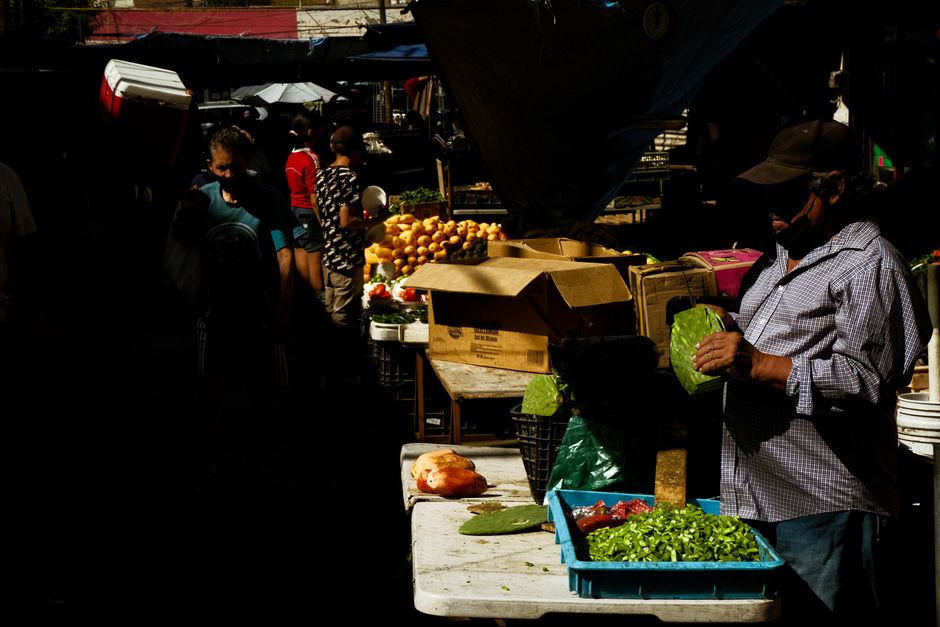
He watches where shoppers pause, how they compare produce, and which stalls have quick conversations happening at the counter. He hears the rhythm of orders before he tries his own. His first purchase is intentionally small, something he can carry home without solving another logistical problem.
The ritual begins there. Tuesday morning becomes market morning.
Next week, Mateo recognizes the entrance he used. The week after that, he remembers which bag to bring. Soon, he has a route that requires no map and a familiar exchange that does not need to become a friendship to feel grounding.
This is the practical side of feeling at home. You begin to recognize a place, and the place begins to feel less anonymous. The experience grows through repetition, not through completing an imaginary test of cultural fluency.
Pair every admin win with a local ritual
A relocation plan can make space for both categories: the tasks that keep your move on track and the rituals that help the new city become yours.
After a residence permit step, find a place for a regular lunch. After setting up a phone plan, walk home by a different street. After resolving a rental document, visit the same market, park, library, or café at roughly the same time next week.
Keep the ritual small enough to repeat. A grand day trip creates a memory. A Tuesday habit creates familiarity.
This pairing also gives difficult admin days a better ending. The final image is no longer a queue, a folder, or a warning on your phone. It is the fruit seller wrapping your purchase, the corner you finally recognize, or the moment you put your map away because you know the next turn.
Film progress from the checklist to the street
If you want to capture this transition in a vertical video, begin close to the stakes. Show the folder in Mateo’s hand, the low battery, and the incomplete task. Let the uncertainty breathe for a beat.
Then show the turn: the saved note, the recovered copy, the completed task. Keep the camera moving as the administrative morning opens into the city.
At Mercado de Abastos, choose details over a sweeping montage. A bag changing hands. Mateo pausing to listen before ordering. The same entrance appearing again one week later. These small repetitions carry the story because they show belonging taking shape.
End on the following Tuesday. Mateo walks in without checking directions, folds his phone into his pocket, and reaches for the bag he remembered to bring.