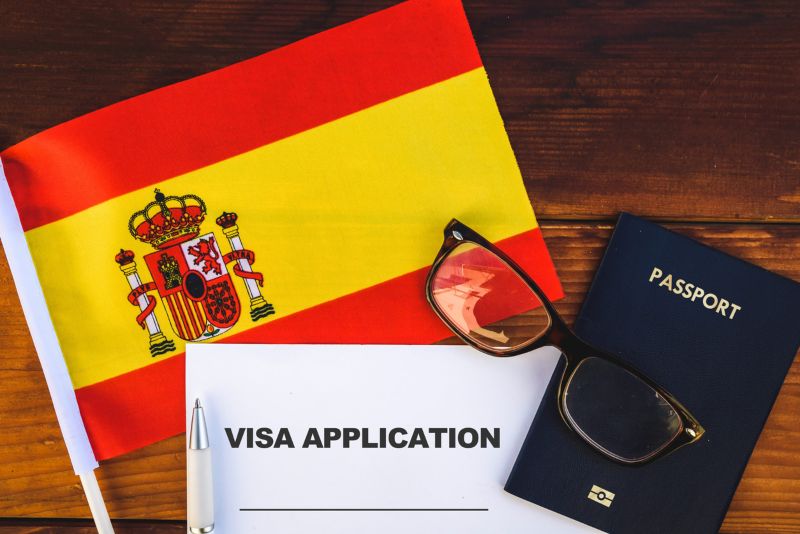

The first week after moving abroad should focus on immediate safety and access, protecting the documents connected to your actual immigration route, and creating a short list of local follow-up tasks. Start with essentials you need to function today, then confirm country-specific requirements with the responsible authorities before acting on assumptions.
At 6:40 on a rainy Monday morning, Lina stood outside a local registration office in Rotterdam with one suitcase, a phone at 12 percent battery, and two folders that looked almost identical. One held her passport and residence documents. The other held copies, a rental agreement, and papers she had printed before leaving home.
The person ahead of her reached the desk, answered a question Lina could not hear, and stepped aside to search through a bag. Lina checked her folder twice. The document she thought she needed was there, but she could not tell whether the office wanted the original, a copy, or an appointment confirmation. Her landlord was waiting for proof that she had started the local process. If she could not complete the next step, her move-in arrangement could fall apart.
The queue kept moving. Her phone battery dropped to 9 percent.
This is why the first week needs a short, adaptable plan. Arrival advice differs by country, visa route, housing situation, family circumstances, and access to local services. Official guidance from the OECD and IOM points toward orientation that helps new arrivals understand services, rights, responsibilities, and the practical steps needed to participate in daily life. Your task is to turn that broad guidance into a manageable sequence for your own situation.
Start with immediate access and safety needs
Your first decisions should protect your ability to sleep, communicate, travel safely, access money, and respond if something goes wrong. These needs come before exploring every possible service or trying to finish every administrative task at once.
Begin with the place where you will stay. Confirm the address, how to enter the building, where to find basic supplies, and who to contact if the accommodation becomes unavailable. Save the address somewhere you can access without an internet connection. A screenshot, written note, or saved map area can help when your phone signal is weak.
Keep your passport, residence document, entry record, insurance information, and important contact details together but separate from your main luggage. You may need to show an original document, but carrying every document everywhere increases the chance of loss. Store secure digital copies as well, using a private account or encrypted storage you trust. Avoid sending sensitive identity documents through casual group chats.
Make sure you can communicate. Check whether your phone works locally, whether you can receive calls or messages, and whether your current number will remain available for account recovery. If you need a local phone service, compare the available options carefully. Requirements and costs vary, so ask the provider what identification or address evidence it accepts before paying for a plan.
Access to money deserves the same attention. Confirm that your bank card works, that you know how to contact your bank from abroad, and that you have a backup payment method. Keep a small amount of accessible emergency money if that is practical for you. Your first week may include transport, food, household items, or an unexpected deposit. Record every expense for a few days so you can see which costs are recurring and which belong only to arrival.
Learn how to reach help in an emergency. Save the local emergency number, your accommodation contact, your school or employer contact, and a trusted person who knows where you are. Check the official government or local authority guidance for urgent medical, safety, and consular support. Do not rely on a search result alone when the situation is serious.
The same principle applies to food, medication, and health needs. Find the nearest place to buy essential supplies and identify how to access care according to your status. If you take regular medication, keep the packaging and relevant information with you, and ask a qualified healthcare professional about local rules before arranging a replacement. Requirements differ by destination and by medicine.
Lina’s first-week problem was partly a document problem, but it was also an access problem. Her phone was nearly dead, her papers were mixed together, and she had no saved contact for the person who could explain the next step. A calmer arrival plan would have placed those basics first.
Separate documents from local service questions
Once you can function safely, divide your tasks into two groups: documents that support your immigration or residence route, and local service questions that need confirmation.
Your document group might include your passport, visa or permit information, entry evidence, housing evidence, insurance records, employment or education documents, and any letters from an authority. The correct set depends on your route. Do not assume that a checklist written for another country, nationality, or visa category applies to you.
Create a simple record for each document:
- What is it?
- Is it an original, a copy, or a digital record?
- Who issued it?
- Why might you need it?
- Is there a date connected to it?
- Where is the official source that explains its use?
This record can expose gaps without encouraging guesswork. If a document is missing, write down the missing item and the authority or organization that can confirm what replaces it. If two sources appear to conflict, pause and verify with the responsible authority. A confident answer from a forum may still be wrong for your route.
Keep a separate list for local service questions. These may include how to register an address, access healthcare, open an account, enroll in education, arrange utilities, obtain a local identification number, or understand transport options. Some of these tasks may be required immediately. Others may depend on an earlier step. The order matters, but the order cannot be safely invented from a general relocation article.
For each question, record:
- The service you need.
- The official organization responsible.
- The information you already have.
- The question you need answered.
- Any appointment, confirmation, or receipt you receive.
- The next action after the answer.
This structure prevents a common first-week mistake: collecting advice without collecting evidence. A list of links is less useful than a short record showing what you checked, who gave the answer, and what you must do next.
The OECD’s work on introduction measures emphasizes the value of clear orientation for newly arrived migrants. The practical lesson is simple: information should help you act. Save the page that explains your next step, note when you checked it, and identify whether the guidance comes from a government office, school, employer, landlord, service provider, or community group.
Aqee can help you turn this information into a guided relocation plan, but the destination authority remains responsible for confirming regulated requirements. Use a relocation app to organize your questions, documents, reminders, and progress. Use official sources to confirm what the law or local process requires.
If you are preparing before departure, the moving to Perth checklist shows how to separate before-you-fly preparation, Day 0 tasks, and first-month follow-up. The same structure can help you think clearly in another destination, while the actual requirements still need local confirmation.
Create a first-week contact and evidence list
Your first-week list should be short enough to use when you are tired. A practical version can fit on one page or inside a phone note.
Start with people and services you may need to contact:
- Your accommodation contact.
- Your school, employer, or host organization.
- The relevant immigration or registration authority.
- A healthcare contact or service information line.
- Your bank or payment provider.
- A trusted person at home.
- A local community, student, or newcomer organization.
Add the information each contact can provide. A landlord may answer housing questions. A school may explain enrollment or student support. An employer may clarify workplace onboarding. An immigration authority can confirm regulated residence requirements. A community group may explain how people usually find local support, but it cannot replace an official decision.
Then create an evidence trail. Save appointment confirmations, receipts, submission acknowledgements, reference numbers, letters, and messages that affect your next step. Use clear file names and a consistent date format. Keep originals protected and avoid editing official files.
If you call an organization, write down the date, the department, the question, and the answer. If the answer affects your legal status, ask how to obtain it in an official written format. When the situation is unclear, ask what source you should follow. This small habit can prevent repeated calls and conflicting advice later.
A first-week contact list should also include questions about belonging. Relocation involves practical administration and social adjustment. The IOM guidance on information and orientation programs describes the importance of relevant, accessible information that helps people navigate their new environment. That can include language support, local customs, education, work, health, housing, and opportunities to connect with others.
Choose one low-pressure social action. Visit a public place near your accommodation, attend an orientation session, join a student or professional group, or message one person you have met through a trusted community. The first connection does not need to become a close friendship. Its value may be much smaller and more immediate: learning where people buy household basics, discovering a local custom, or finding someone who can explain a phrase on a letter.
Lina returned to her folder after leaving the office. She had not solved every part of her move. She had, however, written down the next authority to contact, saved the receipt from her first visit, charged her phone at the library, and separated originals from copies. That evening, she placed one card near the door with her address and emergency contact. The next morning, she knew which question to ask instead of carrying both folders back into another uncertain queue.
Leave lower-priority tasks for later
A new city offers an endless list of tasks. You may want to find the best neighborhood, learn every transport option, decorate your room, compare banks, join several groups, and plan weekend trips during the same week. Those activities can be worthwhile, but they compete with the tasks that protect your housing, status, health, money, and ability to communicate.
Use three levels:
- Do today if it affects immediate safety, shelter, communication, food, medication, or access to money.
- Confirm this week if it affects your residence route, education, employment, healthcare, housing records, or required local registration.
- Schedule for later if it improves comfort, social life, convenience, or exploration without creating an immediate risk.
The third category is where you can make room for enjoyment. Find a café, walk through a nearby park, visit a market, or learn one route you will use regularly. These small discoveries can make a new city feel less abstract. Keep the activity proportionate to your energy and budget.
Avoid turning the first week into a test of personal competence. You are learning a new system while managing unfamiliar language, geography, prices, and social expectations. A short checklist with completed evidence is more useful than a large checklist that creates guilt.
Review your list at the end of each day. Mark what is complete, move unclear items to a verification column, and remove tasks that no longer apply. If a task depends on another person, record the follow-up date or event that will prompt you to check again. If the task depends on a changing rule, return to the responsible authority rather than relying on an old screenshot or a friend’s experience.
For a practical way to plan your first local connection, see Aqee’s Day 0 first-friend quest. The useful idea is to make the first social step small enough to complete, then let repeated contact do the work over time.
What to do next
Create an Aqee local-settlement checklist. Begin with your address, immediate access needs, essential documents, responsible contacts, open questions, and the next action for each unresolved item. Add only tasks that fit your actual destination and route.
Before you mark a regulated task complete, check the responsible authority’s current guidance. Before you leave original documents at an office, confirm whether they will be returned and whether you need a receipt. Before you pay for a service, ask what it includes and whether another step must happen first.
By the end of the first week, aim for a clear picture rather than a finished life. You should know where your essential documents are, how to contact help, which requirements still need confirmation, and what you will do next. The city can wait for you to discover its favorite corners. Your folder, phone, address, and next verified step come first.
Sources
- OECD, introduction measures for newly arrived migrants, checked 2026-09-24.
- IOM, Global Guidance for Comprehensive Information and Orientation Programmes, checked 2026-09-24.
- OECD, Making Integration Work for Family Migrants, checked 2026-09-24.
Related Aqee guide
Keep the practical follow-up in your wider move plan with Aqee’s Day 0 relocation-plan guide.