
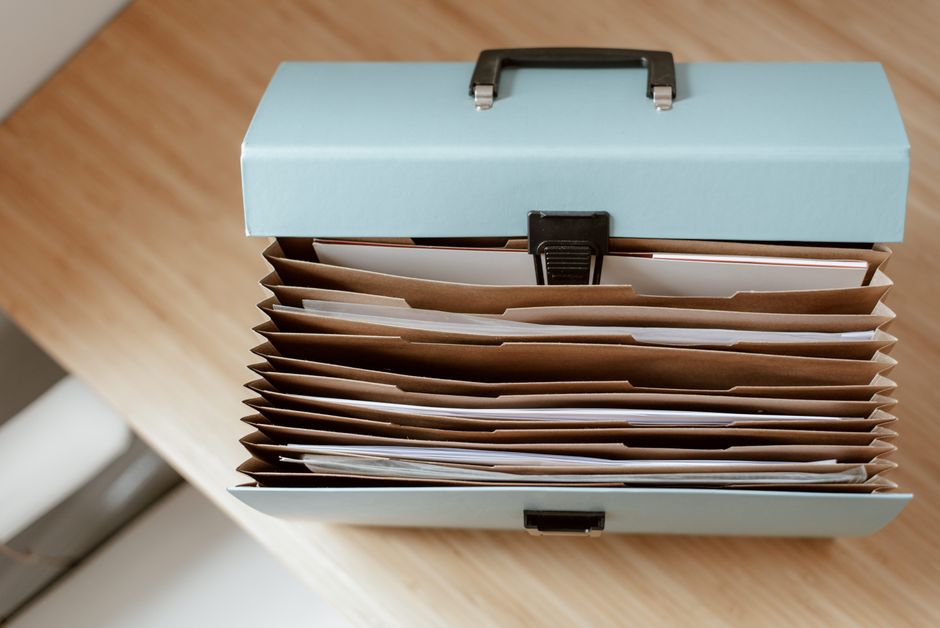
Prepare a secure New York rental file before you fly, with your identity, income or funds, work or enrollment, references, and any guarantor documents ready to share. You will still need to confirm each landlord’s requirements, but you can begin the apartment search without rebuilding your life story from an airport chair.
In April 1970, Apollo 13’s crew faced a dangerous mismatch. The command module’s carbon dioxide filters were square, while the lunar module used round ones. With carbon dioxide rising, NASA engineer Ed Smylie and his colleagues had to devise an adapter from materials already available aboard the spacecraft.
NASA’s history of the mission documents how Mission Control developed instructions that the astronauts could follow in space. The improvised device worked. The lesson for a New York apartment search carries far smaller stakes, but the mechanism is useful: when the pressure rises, access to the right materials matters.
Your rental file is your box of available parts.
Gather the documents that explain your situation
A New York landlord, property manager, broker, or roommate may ask for different evidence. Build a broad source file now, then send only what a legitimate recipient needs.
Start with clear copies of:
- Your passport identification page and any relevant immigration or entry documents.
- A recent employment letter, work contract, university enrollment letter, or other document that explains why you are moving.
- Recent evidence of income or available funds, such as payslips or bank statements.
- Contact details for previous landlords, employers, or other appropriate references.
- Any documents a guarantor has agreed to provide.
- A short explanation of anything unfamiliar to a New York reviewer, such as income paid in another currency or the absence of a United States credit history.
Keep original files too. A blurry phone photograph with a cropped name or missing page can turn one request into a long exchange across time zones.
Requirements vary by property and by your circumstances. Treat this as a preparation list, not a promise that every item will be requested or accepted.
Make the file easy to review and safe to share
A folder full of files named “scan004” and “final-final-new” creates avoidable work. Rename each document in plain language, using a consistent pattern such as:
`Surname_DocumentType_Month_Year`
Group the files into a few folders: identity, income or funds, work or study, rental history, and guarantor. Add a one-page index listing what each document shows. If a bank statement uses another currency, note the currency in the index without altering the statement.
Create a shareable set separately from your private master folder. Redact account numbers and unrelated transactions where appropriate, and never send sensitive documents before verifying who is requesting them and why. A hurried message claiming that another applicant is ready to pay should not push you into exposing your passport or transferring money.
That same pause matters when a deposit is requested. Leena’s Toronto rental check offers a useful companion principle: verify the person, property, and payment request before money moves.
Store encrypted copies somewhere you can reach if your laptop is lost or your phone battery dies. Give a trusted person access only if that arrangement makes sense for you. Do not leave your only copy in checked luggage.
Prepare for the gaps newcomers often have
You may arrive without local credit history, local payslips, or a previous New York landlord. Hiding that gap wastes time. Explain it in one calm paragraph and place the strongest alternative evidence beside it.
For example:
“I am relocating to New York for graduate study. I do not yet have United States credit history. My file includes proof of enrollment, evidence of available funds, identification, and a reference from my previous landlord.”
Adjust the wording to match your real situation. Never inflate income, alter a statement, or claim a reference you do not have.
If you plan to use a guarantor, speak with that person before departure. Confirm what they are comfortable sharing and prepare their documents in a separate folder. If you are considering a paid guarantor service, check its terms, eligibility rules, total cost, and acceptance with the specific property before relying on it.
Keep temporary accommodation long enough to inspect options without making a decision at baggage claim. Photos can hide noise, maintenance problems, awkward layouts, and a very different walk from the nearest useful transport or grocery shop.
Run a pre-flight document drill
Two days before departure, open every file from the device you will carry. Check that scans are readable, links work, passwords are available, and your backup can be reached without your usual home internet connection.
Then rehearse one realistic request: “Please send identification, proof of funds, enrollment or employment evidence, and a reference.” Can you assemble the relevant documents in five minutes without exposing everything else?
Ed Smylie’s team could only design with materials already aboard Apollo 13. Your first New York rental inquiry will also arrive with constraints: unfamiliar expectations, limited time, and documents created under another country’s systems. Pack the useful pieces before takeoff, label them clearly, and keep the private ones private.