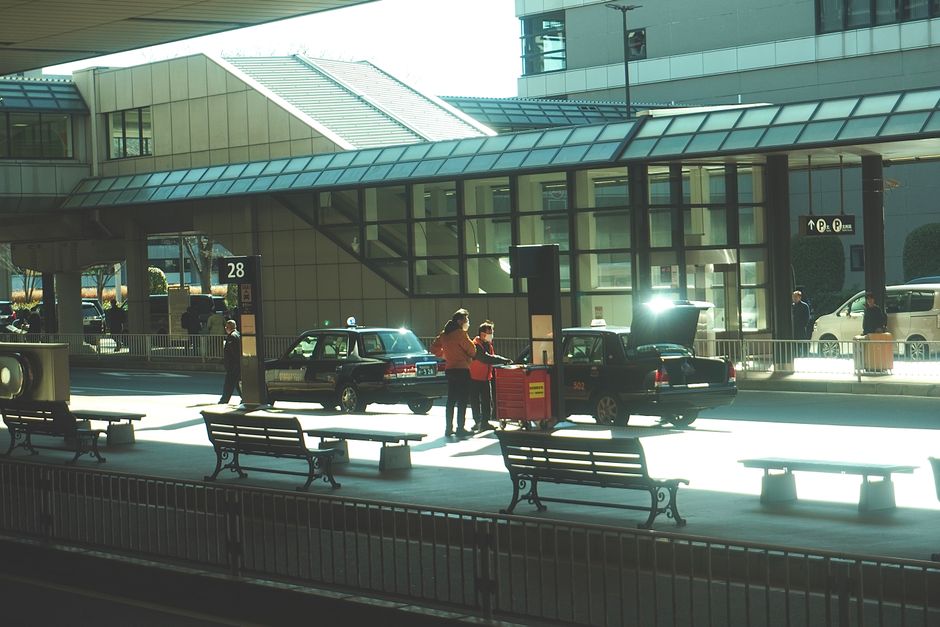
Take the Airport Express if you can manage your luggage and want the more economical ride into central Wellington. Choose a taxi if exhaustion, bulky bags, limited mobility, or a late arrival makes door-to-door travel worth the extra cost.
On January 15, 2009, Captain Chesley Sullenberger and First Officer Jeffrey Skiles had seconds to choose where US Airways Flight 1549 would land after a bird strike disabled both engines over New York City. Returning to an airport was considered, but the aircraft was losing altitude. Sullenberger chose the Hudson River, where all 155 people aboard survived.
The National Transportation Safety Board’s accident report documents the decision and the conditions behind it. The useful lesson here is modest compared with the stakes of Flight 1549: the best route depends on the options you can realistically complete with the time, energy, and information available.
Your first decision after landing in Wellington works the same way. You do not need the universally “best” ride. You need the ride that fits your condition when you collect your bags.
Choose based on your arrival state
The Airport Express makes sense when you still have enough energy to follow signs, handle your luggage, confirm where to get off, and walk from the nearest suitable stop to your accommodation near Cuba Street. It also gives you an early look at Wellington from street level.
Before boarding, check the current fare, payment method, timetable, stop location, and service alerts through the official transport information available at the airport. These details can change. Save your accommodation address offline too, including any entry instructions from your host or hotel.
A taxi removes several steps. You load your bags once, provide the Cuba Street address, and travel directly to the door or closest safe stopping point. That can be the sensible choice after a long flight, especially if you are travelling with children, carrying several bags, arriving with low phone battery, or dealing with poor weather.
The trade-off is cost. Confirm the estimated fare and accepted payment method before leaving when possible. Make sure you join the official taxi queue or use a recognised booking service rather than accepting an unsolicited ride.
Count every step, not only the ride
A bus journey can look simple on a map while hiding the hardest part: the final walk with luggage. Cuba Street runs through a busy central area, and your exact destination may still require navigation from the stop. A short distance feels longer when one suitcase wheel keeps catching and you have been awake since another time zone.
A taxi can also involve friction. You still need the exact address, a way to contact your accommodation, and clear entry instructions. If your room has a narrow check-in window, build that constraint into the decision. The same principle shapes the route to a Taipei room before check-in closes: arrival transport belongs to a chain of tasks, and the next deadline can matter more than the cheapest fare.
Use a quick test before choosing:
- Can you lift and control every bag without help?
- Is your phone charged, with the address saved offline?
- Do you know how far you will walk at the other end?
- Can you arrive before your accommodation’s check-in cutoff?
- Would paying more preserve enough energy for food, a message home, and a safe first night?
If one weak link could turn the bus into a difficult arrival, take the taxi without treating it as a failure. If those conditions are covered, the Airport Express can be a practical first introduction to the city.
Turn arrival into your first completed milestone
The ride from Wellington Airport to Cuba Street is more than movement between two points. It closes the first small loop of relocation: land, choose, navigate, arrive.
In Aqee, that can become your first completed milestone. Record the address reached, confirm you can enter the accommodation, mark your luggage as accounted for, and note any follow-up task revealed during the trip. Perhaps you need a local payment option, a charged phone, or clearer directions before tomorrow.
Keep the milestone narrow. “Settle into Wellington” is too large to finish tonight. “Reach my Cuba Street accommodation and confirm access” is specific, visible, and achievable.
That first check mark matters because moving abroad arrives as a pile of unfinished tasks. Visa documents, residence permit renewal dates, phone service, banking, transport, and meeting people can all compete for attention. Aqee turns that pile into the next manageable step, then the next one.
Sullenberger’s decision over New York was grounded in the options the aircraft could still reach. At Wellington Airport, apply the same decision shape without borrowing the drama: assess your actual condition, remove options you cannot comfortably complete, and choose the route that gets you safely through the next door.
Once you reach Cuba Street, confirm access, charge your phone, and mark the milestone complete. Wellington can wait until after you have put the suitcase down.