
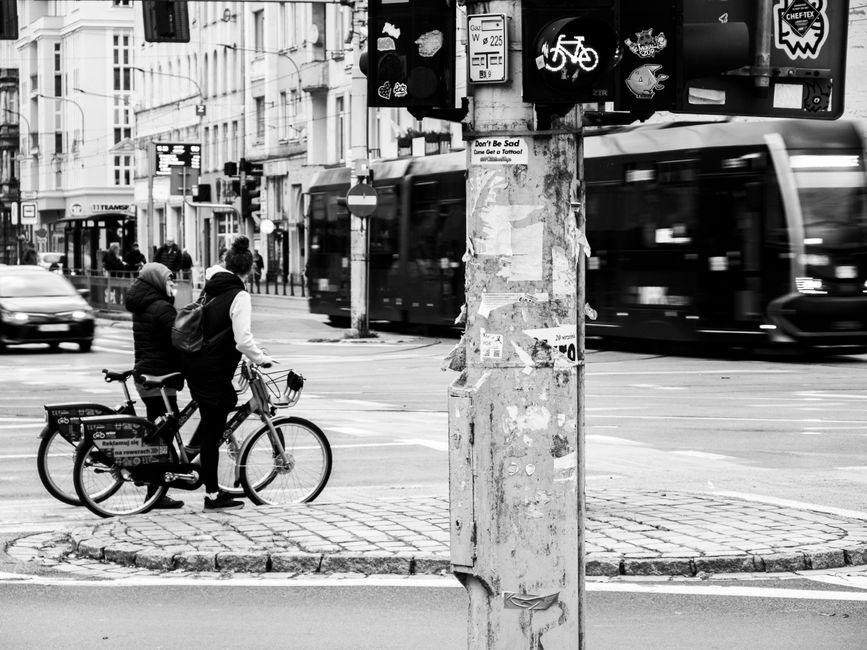
Christchurch’s bike-to-work culture can make daily life easier before you ever buy a bike. It signals that short trips may be manageable, neighbourhoods can feel more connected, and you may have another practical option when driving or public transport does not suit the day.
In 2009, New York City transportation commissioner Janette Sadik-Khan faced a live test in Times Square. Parts of Broadway were closed to vehicle traffic using temporary materials, and nobody yet knew whether the change would improve movement through Midtown or create worse congestion.
The city measured what happened before deciding whether the redesign should stay. Sadik-Khan later documented the experiment in Streetfight, written with Seth Solomonow. The trial showed something useful for anyone arriving in an unfamiliar city: you can learn more from trying a street at human speed than from studying it only on a map.
Bike culture reveals the practical shape of Christchurch
A city’s commuting habits tell you how daily life fits together. If people regularly cycle to work, university, cafés, shops, and appointments, that gives you clues about distance and routine.
In Christchurch, this matters because a map can flatten every decision into kilometres. It cannot tell you how a trip feels after a long day, where you will want to stop, or whether two places that look separate begin to feel like part of the same routine.
Walking or cycling around central Christchurch, Hagley Park, and the Avon River area can help you build a mental map. You notice the bridge that saves a detour, the supermarket that sits naturally on the way home, and the café where people leave helmets near the door. These small observations turn an abstract city into a place you can use.
You do not need to commit to cycling immediately. Start by watching. Where do commuters travel in the morning? Which streets feel comfortable on foot? Where are bicycles parked near offices, campuses, and shops? Treat local habits as information.
Your first neighbourhood choice affects every ordinary day
Newcomers often compare homes by rent, room size, and distance from the city centre. Your actual week adds more variables: groceries, classes, work, medical appointments, social plans, and the inevitable return trip for something you forgot.
Bike culture gives you another way to judge a neighbourhood. Instead of asking only, “How far is this from work?”, trace the full routine you expect to have.
Could you reach the places you need without arranging every trip around a car? Would walking part of the journey feel realistic? Is there somewhere suitable to keep a bike if you eventually get one? What happens when the weather changes or you need to carry shopping?
Check the route at the time you would normally use it. A quiet weekend visit may tell you little about a weekday commute. If possible, walk a section during the morning or late afternoon and notice crossings, traffic, lighting, shelter, and where other people naturally travel.
This is the relocation version of the Times Square trial. Make a small, reversible test before making a larger commitment.
You can test cycling without building your life around it
Buying a bike during your first week can create another task when you already have documents, housing, banking, and basic household needs competing for attention. There is no prize for deciding immediately.
Begin with one useful journey. Choose a route you already understand, keep the timing generous, and have another way home if conditions do not suit you. Check current local guidance on helmets, lights, security, and where riding is permitted before setting out.
Then ask practical questions:
- Did the journey feel calm enough to repeat?
- Could you manage it with a laptop, groceries, or work clothes?
- Where would you store a bike at home and at your destination?
- Would occasional access cover your needs, or would ownership genuinely simplify the week?
A relocation app such as Aqee can help you treat this exploration as part of settling in, alongside document reminders and arrival tasks. The goal is a clear next step, followed by another one when you are ready.
The same approach helps socially. Regular routes create repeated encounters. You begin to recognise a bakery, a park entrance, or the people arriving at the same time each morning. Those repetitions can soften the isolation of starting from zero. The Birthday Card Maya Almost Took Home, and the Connection She Nearly Missed explores how an ordinary moment can become an opening for connection.
Let the city earn your decision
A bike may eventually become your main way to commute. It may serve only for weekend trips, or you may decide that walking and public transport fit you better. All three outcomes are useful because they come from observing your real routine.
Sadik-Khan’s Times Square experiment worked as a trial before it became a permanent decision. Apply that logic during your first weeks in Christchurch: test one route, note what made it easier or harder, and adjust.
Tomorrow, choose one destination you expect to visit often. Trace the walking and cycling options, then travel part of the route without rushing. By the time you reach the next familiar landmark, Christchurch will already feel a little less like a map.