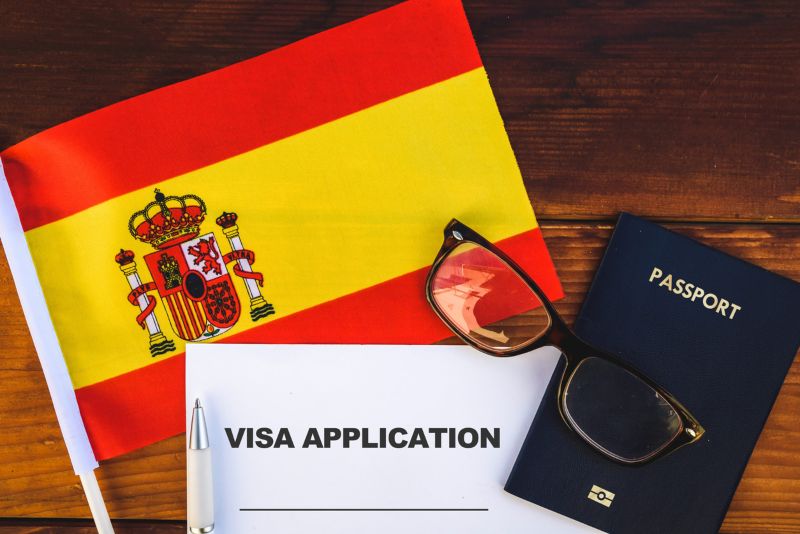
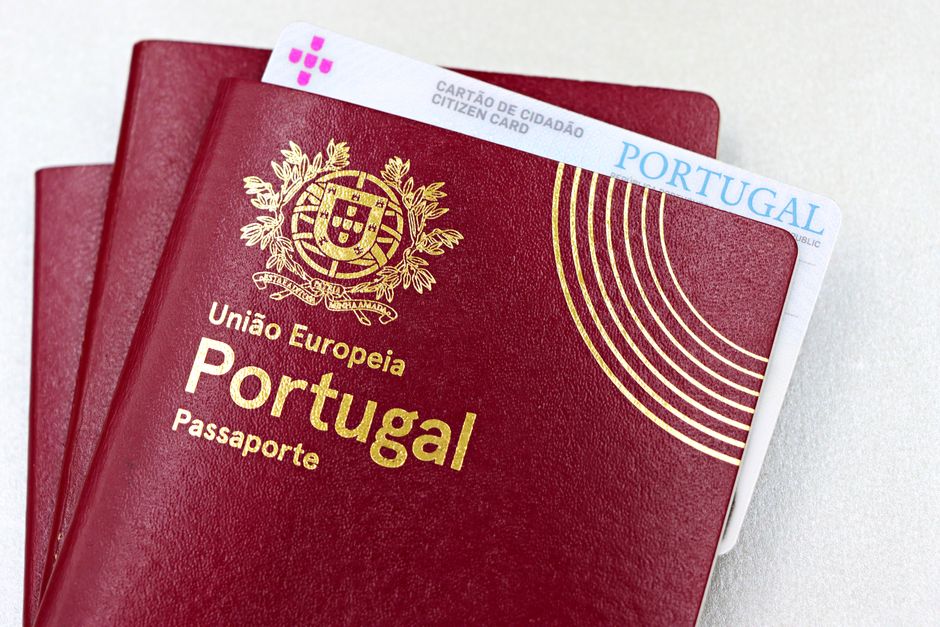
Make ward registration your first official task after landing in Fukuoka. Arrive with your passport, residence card, and complete address details together, then confirm the current requirements with your local ward office before you go.
In April 1970, Apollo 13’s crew faced rising carbon dioxide inside the lunar module after an oxygen-tank explosion forced them to abandon the original Moon landing. The command module carried square lithium hydroxide canisters, while the lunar module used round openings. The available parts did not fit.
On the ground in Houston, NASA engineers worked with materials already aboard the spacecraft. They devised an adapter using items including plastic bags, cardboard, tape, and a hose, then relayed the assembly instructions to astronauts Jim Lovell, Fred Haise, and Jack Swigert. The improvised system reduced the carbon dioxide, helping the crew survive the journey home.
The episode is documented in Jim Lovell and Jeffrey Kluger’s book Lost Moon, later published as Apollo 13. Its useful lesson for a new arrival is smaller in scale but similar in shape: when the whole situation feels too large, solve the next concrete problem with the documents and tools already within reach.
Turn arrival paperwork into one contained task
Landing in Fukuoka can make every unfinished task feel equally urgent. Your phone needs service. Your luggage is blocking the apartment entrance. You need food, sleep, and some idea of which rubbish bag belongs where. Somewhere inside that fog sits ward registration, carrying the extra weight of being official.
Shrink it.
Before leaving the airport or your temporary accommodation, put the documents for this task in one folder. Keep your passport, residence card, and written address details together. Save a digital copy of the address somewhere accessible, but bring the original documents you may need. Check the official guidance for your ward, since requirements and procedures can change.
Then define the win narrowly: reach the correct local office, understand what is requested, and complete the registration if your documents are accepted. You do not need to solve banking, mobile service, health care, and every future residence permit renewal in the same morning.
A contained task gives jet lag fewer opportunities to scatter your attention.
Prepare the details that tired brains forget
Your address may be easy to recognize on a map and harder to reproduce accurately at a counter. Keep the complete version exactly as it appears on your housing documents, including the building and room information where applicable. If your accommodation provider or landlord supplied the address in Japanese, preserve that version rather than reconstructing it from memory.
Check each document before leaving:
- Your passport is in the folder, not beside the charger at home.
- Your residence card is with you.
- Your address details are complete and readable.
- Any housing document you plan to use matches the address you intend to register.
- You know which local ward office handles your address.
- You have checked the office’s current official instructions.
This is also a good moment to notice inconsistencies. A missing room number or different spelling may be easier to resolve before you join a queue. Address evidence can affect later tasks too, as Aino’s permit deadline story shows.
Keep a note open on your phone for names, instructions, and follow-up items. Jet lag turns a clear explanation into mist surprisingly quickly. Writing down the next action prevents you from having to reconstruct the conversation later.
Let the first official win create momentum
Ward registration matters for practical reasons, but the emotional effect counts too. Until this point, the move may have consisted mostly of departures: leaving a home, closing accounts, saying goodbye, and passing through airport controls.
Completing one local task changes the direction. You have started building a life in Fukuoka.
That first win makes the next administrative step feel less abstract. You now know how it feels to enter a local office, ask for help, check a document, and leave with progress. Aqee’s guided relocation journey is built around this same idea: show the next relevant task, keep important details visible, and turn settling in from one intimidating project into a series of achievable steps.
The order matters. A long, undifferentiated relocation checklist creates decision fatigue. One clear task gives you a starting point. Progress becomes visible, which makes it easier to continue.
Leave room for Fukuoka after the paperwork
Do not plan a heroic first day. If the registration takes longer than expected, let it. If the office requests another document, record exactly what is missing and where you can obtain it. A follow-up with a precise next step still beats a vague worry carried for a week.
Once you finish, choose one small reward nearby: a warm meal, a quiet coffee, or a short walk through your new neighbourhood. This is practical, not decorative. Pairing an administrative task with something pleasant helps the city become more than a list of obligations.
Apollo 13’s crew returned safely because a huge emergency became a sequence of solvable problems, including one awkward mismatch between a square canister and a round opening. Your landing morning carries far lower stakes, but the method travels well.
Put the passport, residence card, and address details together tonight. Check the ward office’s current guidance. Tomorrow, make one official task your first visible win.